Cancer Treatment: What Works, What Doesn't, and What You Need to Know
When it comes to cancer treatment, the medical approaches used to fight abnormal cell growth, including surgery, radiation, chemotherapy, immunotherapy, and targeted therapies. Also known as oncology care, it's not just about killing cancer—it's about extending life with quality, managing pain, and giving people time with the people they love. There’s no single path. What works for one person might do little for another, and sometimes the most powerful treatment is knowing when not to push further.
Chemotherapy, a drug-based treatment that targets fast-growing cells, including cancer. Also known as chemo, it’s been the backbone of cancer care for decades—but it’s not always the best choice, especially for stage 4 cancer, cancer that has spread to distant parts of the body. Also known as metastatic cancer, it often requires a different strategy. Many patients with stage 4 cancer face a hard question: Is chemo worth the side effects? Some studies show it adds a few months. Others show it doesn’t extend life at all, but just delays discomfort. That’s where palliative care, focused on relieving symptoms and improving quality of life, not curing disease. Also known as supportive care, it’s not giving up—it’s choosing how to live the time you have. The best outcomes often come from combining treatment with emotional support, nutrition, and movement—even small steps like walking daily can make a difference.
Survival isn’t just about medicine. cancer survival rate, the percentage of people alive after a certain time following diagnosis. Also known as prognosis, it’s not a fixed number—it’s shaped by when cancer is caught, what type it is, your age, and even your mental health. Pancreatic cancer has one of the lowest survival rates because it’s usually found too late. Lung cancer kills fast because it spreads before symptoms show. But breast and prostate cancers? Many live for years, even decades, with careful management. Early detection saves lives, but so does knowing your options when things get tough.
There’s no magic pill. No miracle diet. No single herb that cures everything—even turmeric, while great for reducing inflammation, won’t shrink a tumor on its own. But what does help? Staying informed, asking the right questions, and understanding what your goals are. Do you want more time? Less pain? To be alert for your grandchild’s birthday? Those answers shape your treatment plan more than any statistic ever could.
What you’ll find below aren’t just articles about cancer—they’re real stories, hard facts, and honest conversations about what treatment actually looks like. From the brutal reality of chemo for stage 4 cancer to the quiet strength of choosing comfort over cure, these posts cut through the noise. No fluff. No hype. Just what matters when the clock is ticking.
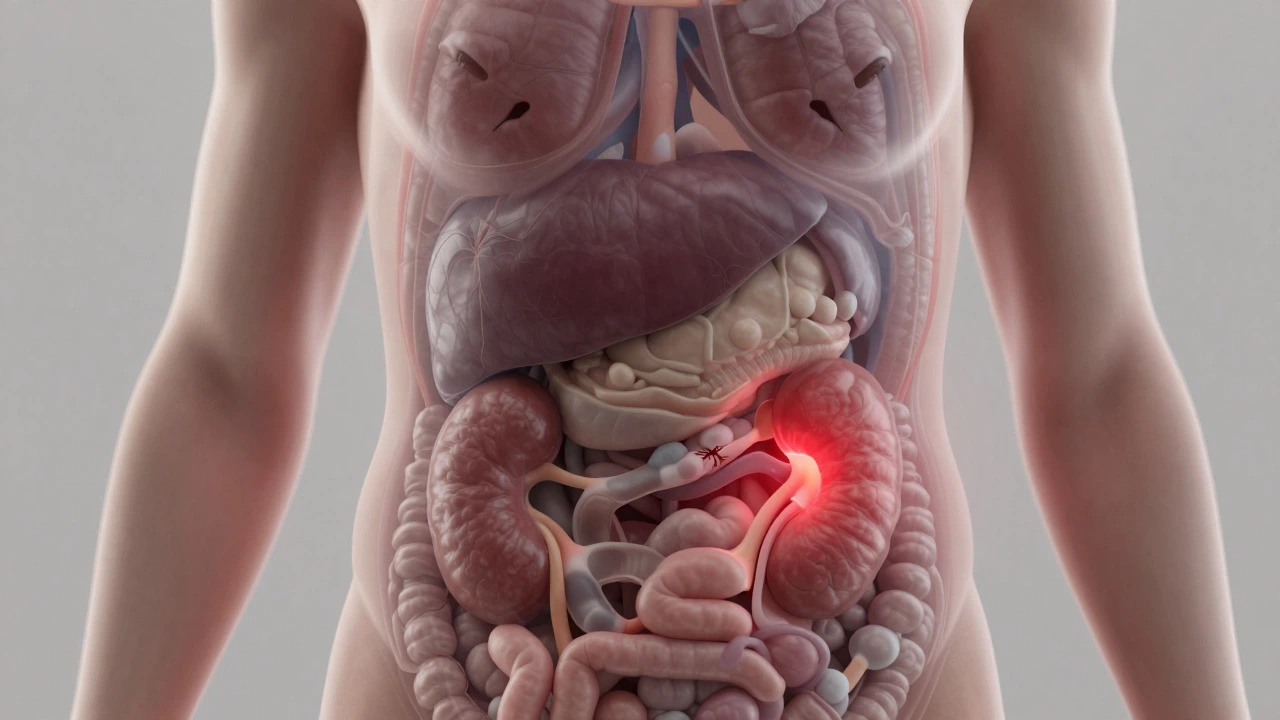
At What Stage of Cancer Do You Feel Pain? A Complete Guide
Discover when cancer pain typically occurs across different stages. Learn why some cancers hurt early while others remain silent, and how to manage somatic, visceral, and neuropathic pain effectively.
read more
Can You Fully Beat Cancer? The Realistic Truth About Cure, Remission, and Long-Term Survival
Can you fully beat cancer? The answer isn't simple. Some cancers can be cured, others become chronic. Learn what remission really means, why cancer returns, and how new treatments are changing survival rates.
read more
Hardest Cancer to Treat: Why Pancreatic Cancer Tops the List
Some cancers fight back no matter what doctors throw at them. This article digs into why pancreatic cancer is known as the toughest to treat, covering what makes it so hard to catch early, how it resists treatment, and what new strategies are in the works. You'll get facts, real numbers, and tips for those going through the toughest cancer battles. No empty promises, just straight talk about the reality of aggressive cancers. The article also shares hope—what’s changing in research and support right now.
read more
Can You 100% Recover from Cancer? What Science Really Says
This article digs into the real chances of fully recovering from cancer. It explains what remission actually means, how modern treatments work, and why the idea of being 100% 'cured' can be complicated. You'll find out about survival stats, the reality of long-term monitoring, and what makes some cancers more likely to come back than others. No sugarcoating—just honest facts and helpful advice for anyone dealing with a cancer diagnosis.
read more
Understanding Carcinomas: The Most Common Type of Cancer
Carcinomas are the most prevalent type of cancer, making up about 90% of all cases. These cancers begin in the epithelial cells that line organs and skin, affecting areas like the lungs, breasts, and colon. Knowing how carcinomas develop and spread is crucial, and advances in treatment mean that early detection often leads to successful outcomes. This article explores what carcinomas are, why they are so common, and practical steps for prevention and management.
read more
Understanding the Fastest Killing Cancer
This article explores the harsh realities of pancreatic cancer, often termed the fastest killing cancer due to its rapid progression. Readers will gain insights into why this cancer is so aggressive and challenging to treat. The article highlights the importance of early detection, discusses the warning signs, and shares tips for lowering risk. It also examines ongoing research and hopes for improved treatments.
read more
Surviving Cancer: The Most Treatable Types
Cancers can be daunting, but some are notably easier to survive than others. Understanding the most treatable cancer types is crucial for managing diagnosis and treatment. Take a look at the reasons behind the higher survival rates, advancements in treatment options, and practical tips that can make a real difference for patients and their loved ones.
read more
Top 5 Cancer Treatments: What You Need to Know
Cancer treatment is a dynamic field with various options influenced by the type and stage of cancer, as well as the patient's overall health. This article explores the top five cancer treatments including surgery, chemotherapy, radiation therapy, immunotherapy, and targeted therapy. Each treatment has its unique approach in fighting cancer, offering hope to patients. Understanding these treatments can empower patients to make informed decisions. Learn about how these treatments work and their impact on the journey to defeating cancer.
read more