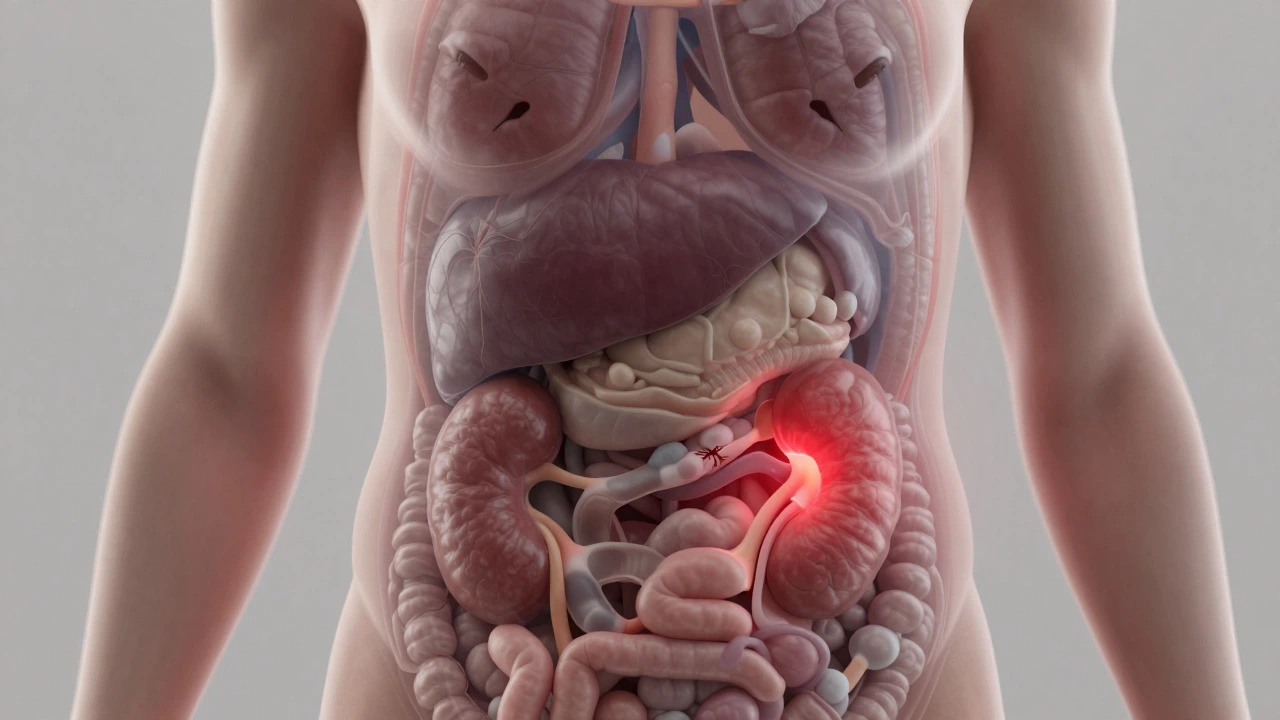
Cancer Pain Identifier & Management Guide
Step 1: Describe Your Symptoms
Select the option that best describes the pain you are experiencing.
Somatic
Deep ache in bones or muscles
Visceral
Cramping or pressure in organs
Neuropathic
Burning, shooting, electric shocks
Common Characteristics:
Typical Sources:
Recommended Management Approaches:
Quick Reference
| Type | Key Sensation |
|---|---|
| Somatic | Aching, Throbbing |
| Visceral | Cramping, Pressure |
| Neuropathic | Burning, Shooting |
Does having cancer automatically mean you are in constant agony? The short answer is no. Many people assume that pain is a guaranteed companion from the moment a diagnosis is made, but the reality is far more complex. Pain in cancer is a disease characterized by uncontrolled cell growth that can invade nearby tissues and spread to other parts of the body depends heavily on the type of tumor, its location, and the stage of progression. Some patients feel nothing at all in the early years, while others experience discomfort immediately due to the tumor's position near sensitive nerves or organs.
Understanding when and why pain occurs is crucial for managing expectations and seeking timely relief. It is not just about enduring suffering; it is about recognizing signals your body sends. This guide breaks down the relationship between cancer stages and pain, helping you navigate this difficult journey with clarity and confidence.
The Myth of Early-Stage Pain
One of the most common misconceptions is that early-stage cancer always hurts. In fact, many cancers are "silent" in their initial phases. This silence is often what makes them dangerous. For example, lung cancer is a malignancy originating in the lung tissue, often detected only after it has grown significantly rarely causes chest pain until it presses against the ribs, pleura, or major blood vessels. Similarly, kidney cancer may grow quite large without causing any noticeable discomfort because the kidney itself lacks pain receptors.
However, there are exceptions. If a tumor develops in an area rich in nerve endings or stretches the capsule of an organ like the liver or spleen, pain can occur early. Think of ovarian cancer, which might cause vague pelvic pressure or abdominal discomfort long before it is diagnosed. These symptoms are often mistaken for digestive issues or menstrual cramps, leading to delayed detection. So, while early-stage cancer doesn't typically scream for attention, it doesn't always whisper either. It depends entirely on where it hides.
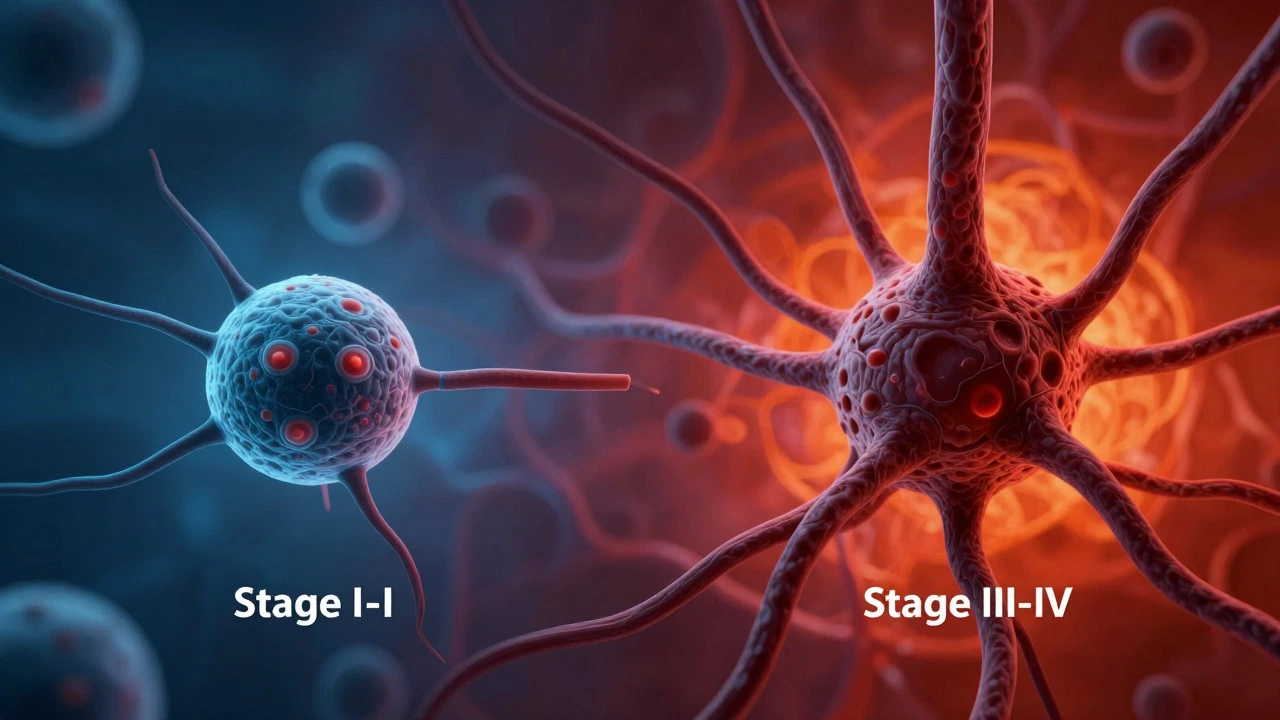
Pain in Localized and Growing Tumors (Stages I-II)
As cancer progresses from Stage I to Stage II, the tumor grows larger. At this point, the primary mechanism of pain is usually mechanical. Imagine a balloon inflating inside a confined space. As the tumor expands, it pushes against surrounding structures. This pressure can cause dull, aching sensations. For instance, a breast tumor growing near the skin or chest wall might cause localized tenderness. A colon tumor might cause intermittent abdominal cramping if it partially blocks the intestine.
In these stages, pain is often intermittent rather than constant. It might come and go, making it easy to ignore or attribute to aging or minor injuries. However, persistent pain that does not resolve with rest or over-the-counter medication is a red flag. Doctors look for "alarm symptoms"-pain that wakes you up at night, pain that worsens progressively, or pain associated with unexplained weight loss. Recognizing these patterns early can lead to better outcomes, as treatment options are generally more effective when the disease is still localized.
When Cancer Spreads: Regional and Distant Pain (Stages III-IV)
Stage III cancer involves regional spread, meaning the cancer has moved to nearby lymph nodes or tissues. Stage IV indicates metastasis, where cancer cells have traveled to distant organs. This is where pain profiles change dramatically. Metastatic cancer often causes severe pain because it invades bones, nerves, and vital organs.
Bone metastases are particularly painful. When cancer cells settle in the bone marrow, they disrupt normal bone structure, leading to micro-fractures and intense, sharp pain. Patients with prostate or breast cancer frequently report deep, throbbing pain in the spine, hips, or ribs. This type of pain is often described as "boring" or "drilling" and can be debilitating. Additionally, nerve compression becomes a significant issue. If a tumor presses on a spinal nerve, it can cause radiculopathy-shooting pain, numbness, or tingling that radiates down the arms or legs. This is known as neuropathic pain and requires different management strategies than nociceptive (tissue damage) pain.
Types of Cancer Pain and Their Causes
To manage pain effectively, it helps to understand its source. Oncologists categorize cancer pain into three main types:
- Somatic Pain: Arises from bones, muscles, or connective tissues. It is often described as aching, throbbing, or stiff. Example: Bone metastases.
- Visceral Pain: Comes from internal organs. It is often diffuse, hard to locate, and may feel like cramping, squeezing, or pressure. Example: Liver or kidney tumors.
- Neuropathic Pain: Results from damage to nerves. It feels like burning, shooting, electric shocks, or pins-and-needles. Example: Nerve compression by a tumor or side effects of chemotherapy.
Understanding these distinctions matters because the treatment for each differs. Somatic pain responds well to non-opioid analgesics like NSAIDs. Neuropathic pain often requires antidepressants or anticonvulsants, such as gabapentin, to calm irritated nerves. Misdiagnosing the type of pain can lead to ineffective treatment and unnecessary suffering.
Treatment-Induced Pain
It is important to note that not all pain during a cancer journey comes from the disease itself. Treatments can also cause significant discomfort. Chemotherapy drugs, while life-saving, can cause peripheral neuropathy-damage to the nerves in hands and feet. Radiation therapy can lead to skin burns, inflammation, or fibrosis (scarring) in treated areas, causing chronic stiffness and pain. Surgery, necessary for removing tumors, leaves behind scar tissue and surgical site pain that can persist for months.
This is why a multidisciplinary approach is essential. Your care team should include not just oncologists, but also palliative care specialists, pain management doctors, and physical therapists. Palliative care is often misunderstood as end-of-life care, but it is actually specialized medical care focused on relieving symptoms and stress at any stage of illness. Integrating palliative care early improves quality of life and can even extend survival by keeping patients strong enough to continue treatment.
| Pain Type | Source | Description | Common Treatment |
|---|---|---|---|
| Somatic | Bones, Muscles | Aching, Throbbing | NSAIDs, Opioids |
| Visceral | Internal Organs | Cramping, Pressure | Opioids, Antispasmodics |
| Neuropathic | Nerves | Burning, Shooting | Gabapentin, Amitriptyline |

Managing Pain: Beyond Pills
While medication is a cornerstone of pain management, it is not the only tool. Non-pharmacological interventions play a vital role in holistic care. Physical therapy can help maintain mobility and reduce muscle stiffness caused by inactivity. Acupuncture has shown promise in reducing chemotherapy-induced nausea and neuropathic pain. Mind-body techniques like meditation, yoga, and guided imagery can alter the perception of pain by reducing anxiety and stress, which are known amplifiers of pain signals.
In India, integrative approaches combining modern medicine with traditional practices like Ayurveda are gaining traction. While Ayurveda should complement, not replace, standard oncology care, therapies like gentle massage (Abhyanga) and herbal supplements under expert guidance can provide comfort. Always consult your oncologist before starting any alternative therapy to avoid interactions with chemotherapy drugs.
When to Seek Help
If you or a loved one is experiencing new or worsening pain, do not wait. Communicate openly with your healthcare team. Use a pain scale (0-10) to describe intensity, but also describe the quality (burning, stabbing, dull). Keep a pain diary noting when pain occurs, what triggers it, and what relieves it. This data helps doctors tailor treatment plans effectively. Remember, effective pain control is a right, not a luxury. Living with manageable pain allows you to focus on healing, spending time with family, and maintaining dignity throughout your journey.
Do all cancer patients feel pain?
No, not all cancer patients experience pain. Many people with early-stage cancer have no symptoms at all. Pain depends on the type of cancer, its location, and whether it has spread. Some cancers are silent until advanced stages, while others cause discomfort early due to their proximity to nerves or organs.
Is cancer pain always severe?
Not necessarily. Cancer pain ranges from mild to severe. Mild pain might be managed with over-the-counter medications, while severe pain, often from bone metastases or nerve compression, requires stronger prescription drugs. The key is to treat pain before it becomes severe, as it is easier to prevent pain than to stop it once it starts.
Can cancer treatment cause pain?
Yes, treatments like chemotherapy, radiation, and surgery can cause pain. Chemotherapy may lead to nerve damage (neuropathy), radiation can cause skin irritation or tissue scarring, and surgery results in post-operative pain. Managing treatment-related pain is a critical part of overall cancer care.
What is the best way to describe cancer pain to a doctor?
Use specific words to describe the sensation (e.g., burning, throbbing, stabbing). Rate the intensity on a scale of 0 to 10. Note when the pain occurs, how long it lasts, and what makes it better or worse. Keeping a pain diary can provide valuable insights for your healthcare team to adjust your treatment plan.
Does feeling pain mean my cancer is terminal?
Not always. While pain is more common in advanced stages, it can occur at any stage depending on the tumor's location. Pain management is available at every stage of cancer. Experiencing pain does not automatically mean the disease is incurable or that death is imminent. Effective pain control can significantly improve quality of life regardless of prognosis.

Write a comment