Cancer: Understanding the Most Common Types, Treatments, and Survival Rates
When we talk about cancer, a group of diseases where cells divide uncontrollably and spread to other parts of the body. Also known as malignant tumors, it’s not one illness—it’s hundreds, each with different causes, behaviors, and outcomes. In India, cancer is rising fast, not just because people are living longer, but because lifestyle changes, pollution, and delayed screenings are making early detection harder.
carcinomas, the most common type of cancer, starting in the skin or tissue lining organs like the lungs, breast, or colon, make up about 90% of all cases. That’s why so many of the stories you hear—about lung cancer from smoking, breast cancer from genetics, or colon cancer from diet—are all carcinomas. Then there’s pancreatic cancer, a rare but deadly form that often shows no symptoms until it’s too late. It’s not the most common, but it’s the most feared because it spreads fast and resists treatment. And that’s why survival rates for pancreatic cancer are so low compared to, say, thyroid or prostate cancer, which are often caught early and treated successfully.
Cancer treatment isn’t one-size-fits-all. cancer treatment, includes surgery, chemotherapy, radiation, immunotherapy, and targeted drugs, and doctors pick based on type, stage, age, and overall health. Chemo might help someone with stage 4 cancer live longer—but not always. Sometimes, comfort care is the better choice. Survival isn’t just about medicine. It’s about catching it early, eating right, staying active, and knowing the warning signs. A lot of people think if you survive five years, you’re cured. But remission doesn’t always mean gone for good. Some cancers come back. Others don’t. It’s messy. It’s personal. And it’s not just about numbers—it’s about real lives.
What you’ll find below isn’t just a list of articles. It’s a clear-eyed look at what actually matters: which cancers kill fastest, why some are treatable and others aren’t, whether chemo is worth the suffering, and what real survival looks like today. No hype. No false hope. Just facts, numbers, and straight talk from people who’ve been through it.

What Cancers Can You Live the Longest With? Survival Rates & Hope
Discover which cancers have the highest survival rates, including thyroid, prostate, and melanoma. Learn what factors influence long-term survival and hope.
read more
How Long Can You Live With Stage 4 Cancer? Realistic Survival Expectations
Discover realistic expectations for Stage 4 cancer survival. Learn how cancer type, treatment response, and lifestyle impact life expectancy beyond statistical averages.
read more
10 Signs of Cancer You Shouldn't Ignore: Early Detection Guide
Discover 10 critical signs of cancer you shouldn't ignore, from unexplained weight loss to persistent lumps. Learn when to see a doctor for early detection.
read more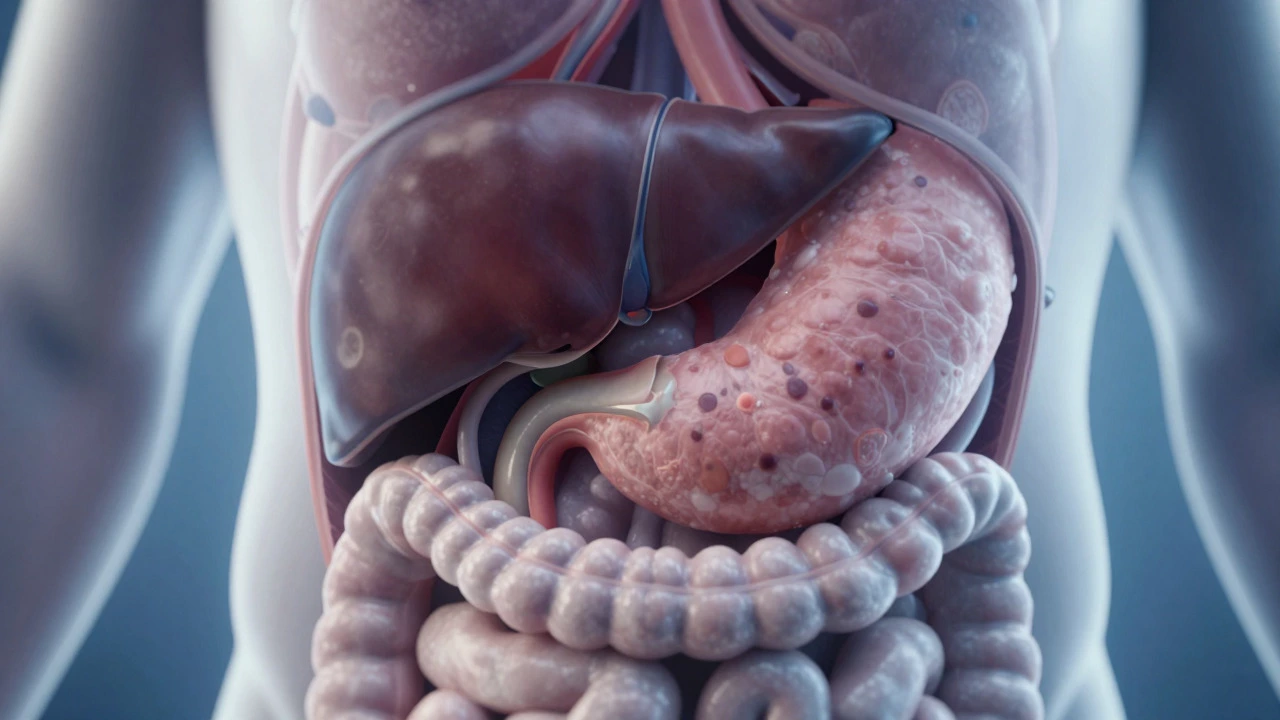
What Is the Most Aggressive Cancer? Understanding Pancreatic and Glioblastoma
Discover what defines the most aggressive cancer, focusing on pancreatic cancer and glioblastoma. Learn why these diseases are deadly, their warning signs, and current treatment advances.
read more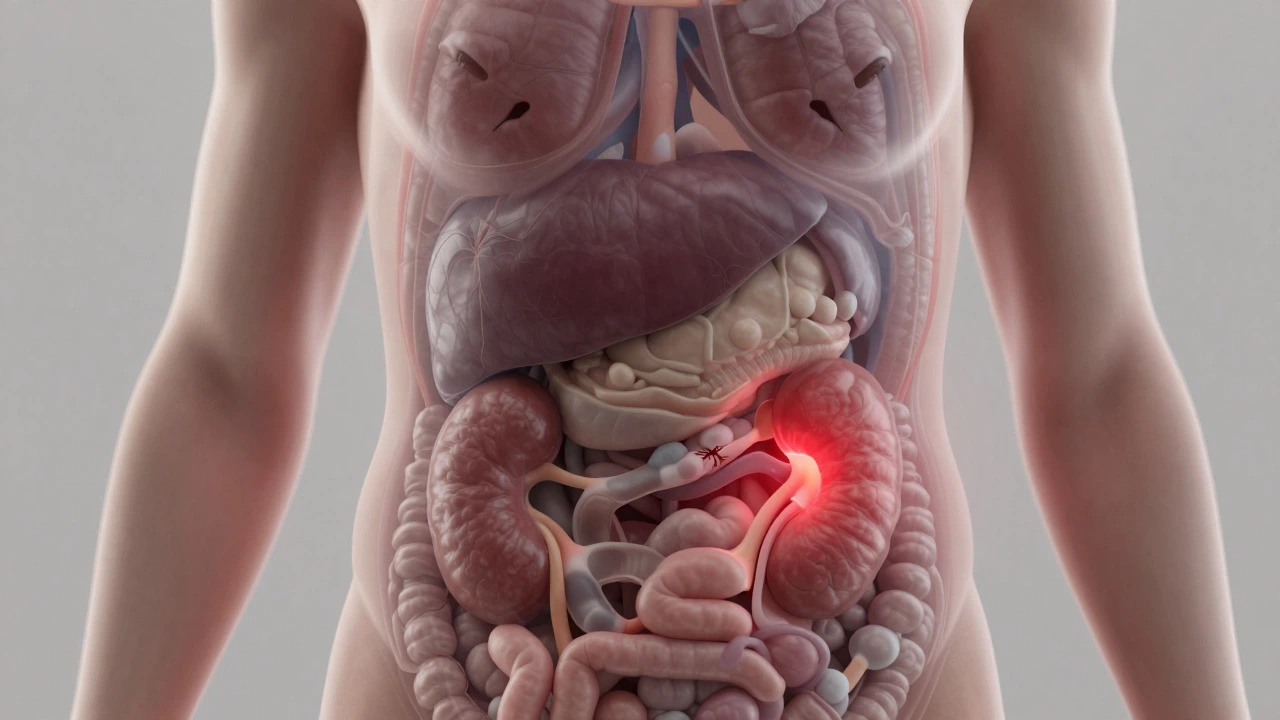
At What Stage of Cancer Do You Feel Pain? A Complete Guide
Discover when cancer pain typically occurs across different stages. Learn why some cancers hurt early while others remain silent, and how to manage somatic, visceral, and neuropathic pain effectively.
read more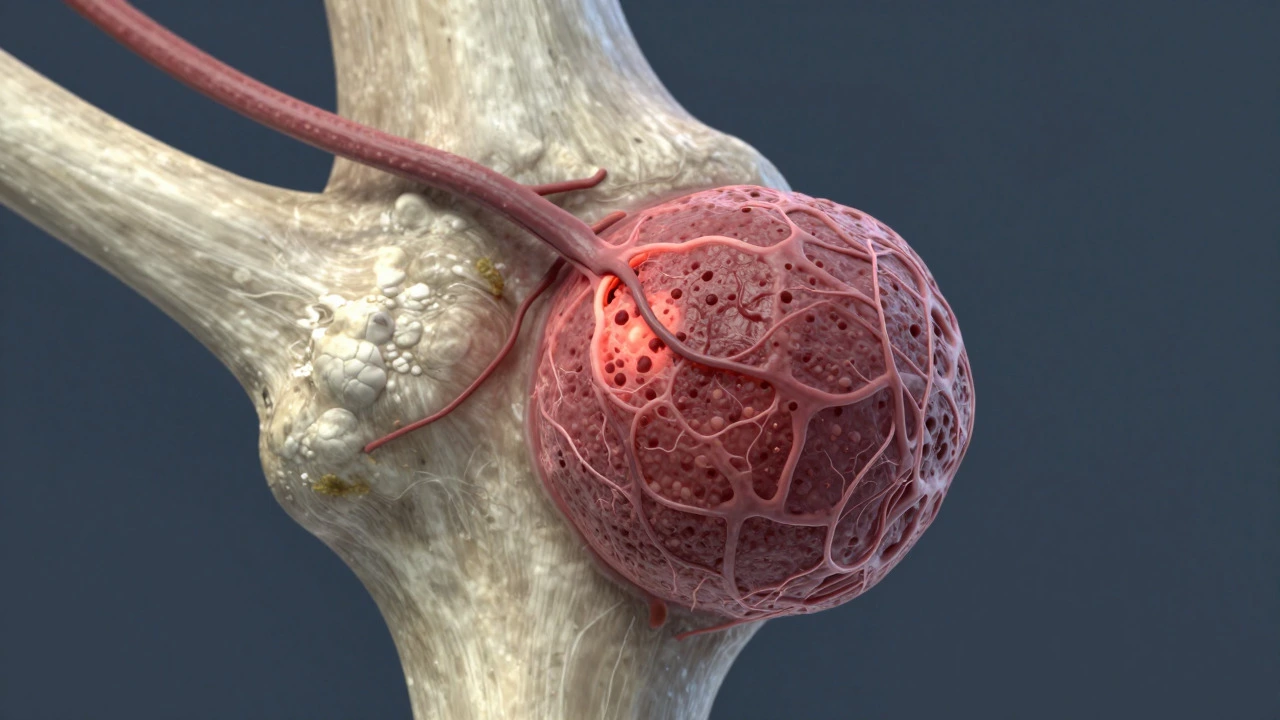
What Is the Most Painful Cancer? Understanding Types, Causes, and Relief
Discover which cancers cause the most severe pain, including bone, pancreatic, and liver cancer. Learn about pain mechanisms, effective management strategies, and how palliative care improves quality of life.
read more
How Long Can a Cancer Patient Live? Understanding Prognosis, Stages, and Survival Rates
Understanding cancer life expectancy involves looking at stage, tumor biology, and treatment options. Five-year survival rates are averages, not guarantees. Modern therapies are extending lives significantly.
read more
What is the Easiest Cancer to Fight? Top Treatable Cancers Explained
Discover which cancers are easiest to fight with high survival rates. Learn about thyroid, testicular, and early-stage melanoma treatments, prevention tips, and the importance of early detection.
read more
Can You 100% Beat Cancer? The Truth About Cures, Remission, and Survival
Can you 100% beat cancer? The truth depends on the type and stage. While some cancers are highly curable, others are managed as chronic conditions. Learn the difference between remission and cure.
read more
What Actually Kills Cancer Cells? How Different Treatments Work
Learn how chemotherapy, immunotherapy, radiation, and targeted therapies actually work to destroy cancer cells and trigger cellular self-destruct sequences.
read more
Can You Fully Beat Cancer? The Realistic Truth About Cure, Remission, and Long-Term Survival
Can you fully beat cancer? The answer isn't simple. Some cancers can be cured, others become chronic. Learn what remission really means, why cancer returns, and how new treatments are changing survival rates.
read more
Is There Stage 5 Cancer? Understanding Cancer Staging Systems
No, there's no such thing as stage 5 cancer. Learn how cancer staging works from stage 0 to 4, why stage 5 doesn't exist, and common misconceptions. Get clear facts about cancer progression and treatment options.
read more