Knee Replacement Pain & Recovery Tracker
Select your current recovery phase to understand what is happening in your body, why it hurts, and how to manage it effectively.
Pain Assessment Tool
Describe your current sensation to determine if it's typical "good pain" or a potential "bad pain" warning sign.
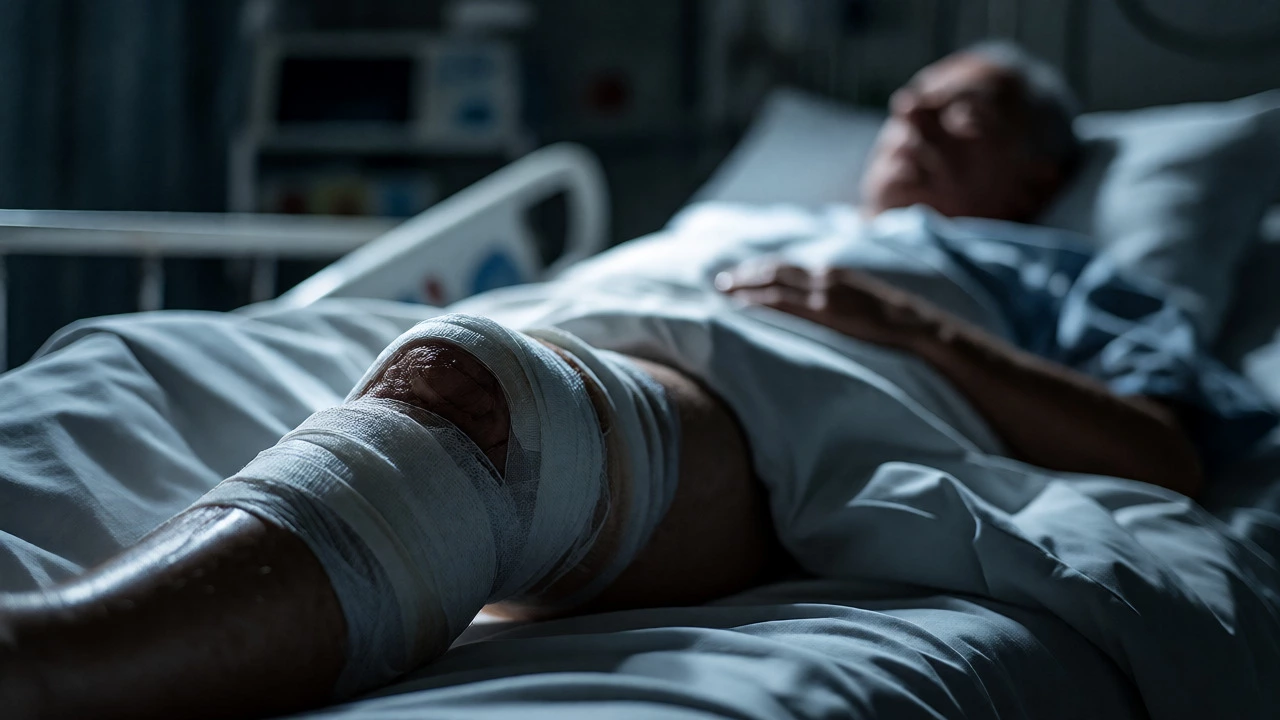
You’re lying in a hospital bed, or maybe you just got home with your new artificial joint. The anesthesia is wearing off. You’ve heard horror stories from friends, or maybe you saw them on social media. But what actually hurts? Is it the cut on your skin? The bone being drilled? Or something else entirely?
Here’s the truth: knee replacement isn’t one single sensation. It’s a mix of surgical trauma, muscle fatigue, and nerve irritation. Most patients say the first 48 to 72 hours are the toughest, but not for the reasons they expect. It’s rarely just "pain." It’s stiffness, swelling, and the sheer exhaustion of moving a leg that feels like it belongs to someone else.
The First 72 Hours: Why It Feels Like an Emergency
When you wake up, the acute phase begins. This is where the most intense discomfort lives. Surgeons use local anesthetics and nerve blocks now, which helps, but when those wear off, reality hits. The primary source of pain here isn't usually the implant itself-it's the soft tissue. To get to your knee joint, surgeons have to move muscles, tendons, and ligaments out of the way. They don't always cut them, but they stretch and retract them heavily.
Think of it like a deep-tissue massage gone wrong, multiplied by ten. Your quadriceps (the big muscle on the front of your thigh) take a beating. They’ve been retracted during surgery and then immediately asked to work hard to lift your leg. This causes significant soreness. If you feel a burning sensation along the incision line, that’s normal nerve irritation. Small cutaneous nerves are inevitably nicked during the approach. This can lead to numbness or hypersensitivity around the scar, which some patients find more annoying than painful.
| Recovery Phase | Primary Pain Source | Sensation Type | Duration |
|---|---|---|---|
| Days 1-3 | Soft Tissue Trauma & Inflammation | Aching, Throbbing, Sharp Incisional | High intensity, peaks at night |
| Weeks 2-6 | Muscle Fatigue & Scar Tissue Formation | Burning, Tightness, Stiffness | Constant low-grade ache, spikes with PT |
| Months 3-12 | Nerve Regeneration & Adaptation | Zapping, Numbness, Occasional Sharp Pains | Intermittent, decreasing frequency |
The Hidden Culprit: Muscle Exhaustion
Most people underestimate how much energy their body spends just trying to stabilize a new joint. Before surgery, your damaged knee might have been compensating poorly for years. Now, you have a perfectly aligned mechanical hinge, but the surrounding muscles are weak and confused. This leads to severe muscle fatigue, which registers as pain.
If you try to walk too far on day three, you won’t just feel tired; your knee will scream. This is because your glutes and hamstrings are working overtime to keep you upright. When these muscles fail due to fatigue, the load shifts directly to the healing tissues and the joint capsule. This is why pacing yourself is critical. Pushing through "good pain" is a myth in early recovery. Pushing through fatigue pain leads to setbacks.
Stiffness vs. Pain: Know the Difference
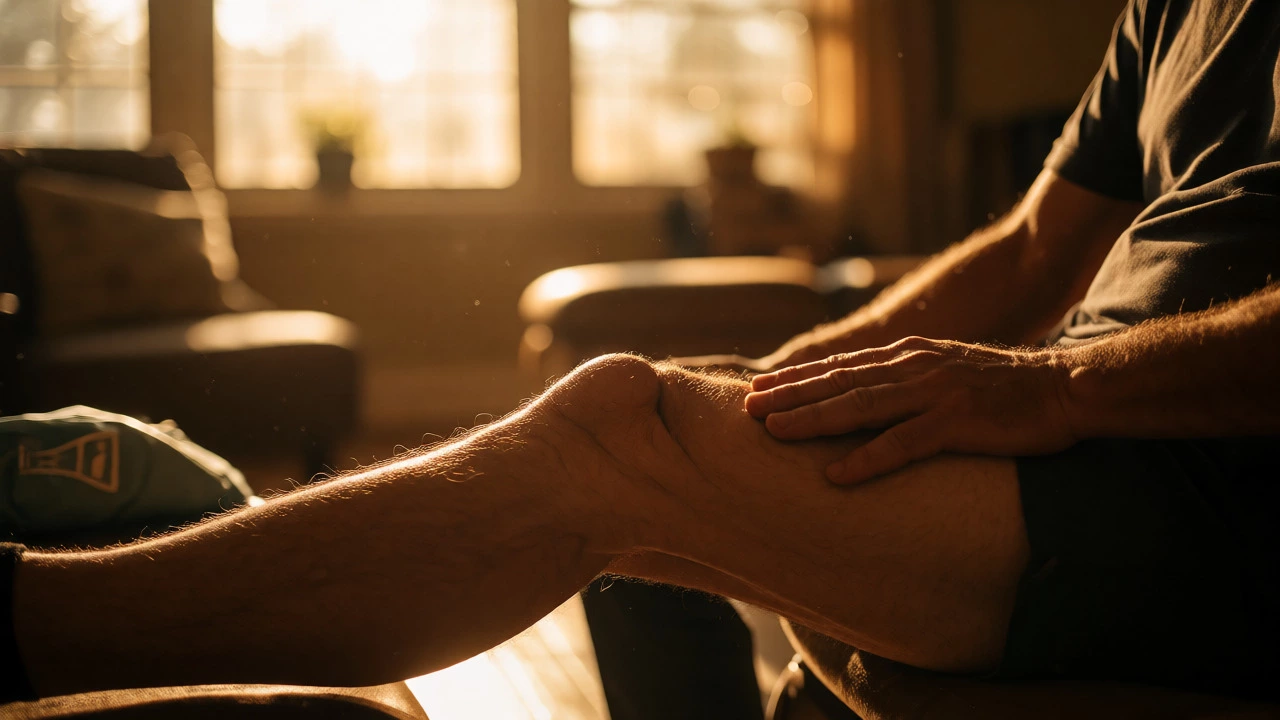
By week two, the sharp surgical pain fades, replaced by a persistent tightness. Many patients confuse this with failure. They think, "Why does it hurt to bend my knee? Did I do something wrong?" No. You didn’t. You’re dealing with arthrofibrosis risk-scar tissue forming inside the joint.
This stiffness is arguably more distressing than acute pain because it limits function. Physical therapists will push you into ranges of motion that feel impossible. This creates a cycle: fear of pain leads to guarding (tensing up), which increases pain, which leads to more guarding. Breaking this cycle requires controlled breathing and consistent movement. Ice is your best friend here. Applying ice for 20 minutes after every therapy session reduces the inflammatory response that fuels this stiffness.
Nerve Pain: The Zaps and Buzzes
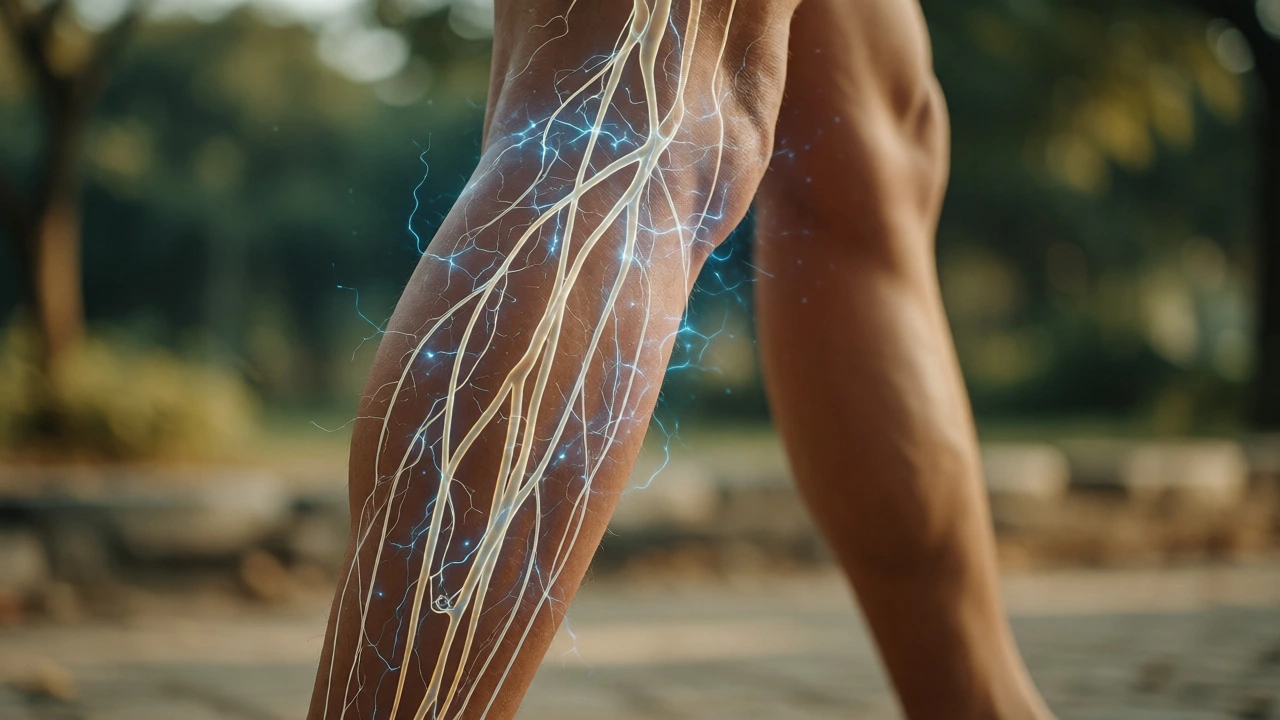
Let’s talk about the weird stuff. About 10-15% of patients report strange sensations months after surgery. You might feel electric shocks down your shin, or a patch of skin near the outer knee might feel completely numb. This is neuropathic pain, caused by minor damage to the saphenous nerve or its branches during the incision.
This type of pain doesn’t respond well to standard anti-inflammatories like ibuprofen. It often requires different management strategies, such as desensitization techniques (rubbing different textures over the area) or specific medications like gabapentin if prescribed by your doctor. Don’t ignore it. While it often improves over time as nerves regenerate slowly (about 1mm per day), early intervention prevents chronic sensitivity.
Managing Expectations: What "Normal" Looks Like
In Bangalore, where humidity can exacerbate swelling, many patients report feeling worse in the evenings. Gravity pulls fluid down into the joint all day. By bedtime, the pressure builds, causing throbbing. Elevating your leg above heart level isn’t just advice; it’s physics. It helps drain that fluid.
Remember, recovery isn’t linear. You’ll have good days and bad days. A sudden increase in pain after a long walk is normal. A sudden increase in pain with redness, heat, and fever is not-that’s infection. Keep a log. Note what you did, how much you walked, and your pain level. Patterns emerge quickly. Maybe stairs hurt more on Tuesdays because you slept poorly? Maybe rain makes it ache? Tracking this gives you control.
Practical Tips to Reduce Suffering
- Pre-hab matters: Strengthening your quads before surgery significantly reduces post-op pain levels. Stronger muscles recover faster.
- Use a continuous passive motion (CPM) machine wisely: Some studies suggest limited benefit, but gentle movement helps prevent stiffness without active muscle strain.
- Hydrate: Dehydration thickens blood and increases inflammation. Drink water consistently.
- Don’t skip meds: Stay ahead of the pain. Taking medication on schedule works better than waiting until you’re miserable.
Ultimately, what hurts the most isn’t just the surgery-it’s the adjustment period. Your brain has to learn how to trust this new joint again. That takes time, patience, and a lot of small, consistent efforts. Be kind to yourself. You’re rebuilding a major part of your mobility.
How long does severe pain last after knee replacement?
Severe, acute pain typically lasts for the first 3 to 7 days. After this period, the pain should transition to a manageable ache associated with stiffness and physical therapy exercises. If severe pain persists beyond two weeks without improvement, consult your surgeon.
Is it normal to feel numbness around the knee incision?
Yes, numbness or altered sensation around the incision site is very common. Small sensory nerves are often cut during surgery. This numbness may persist for months or even be permanent in a small area, but it rarely affects knee function.
Why does my knee hurt more at night?
Nighttime pain is often due to accumulated swelling from daily activity and a lack of distraction. Cortisol levels also drop at night, which can lower your pain threshold. Elevation and icing before bed can help reduce this nighttime throbbing.
Can weather changes affect knee replacement pain?
Many patients report increased pain during cold or humid weather. Changes in barometric pressure can cause tissues to expand slightly, putting pressure on the healing joint and nerves. While the implant itself doesn't feel weather, the surrounding soft tissues do.
What is the difference between good pain and bad pain?
"Good pain" is a dull ache or stretch sensation during physical therapy that subsides shortly after stopping the activity. "Bad pain" is sharp, stabbing, or persistent pain that worsens with rest or is accompanied by swelling, redness, or warmth, potentially indicating injury or infection.

Write a comment