Herbal Supplement Quality Checker
Use this tool to assess a specific herbal supplement bottle or online listing. Answer the questions below based on what you see on the label or product description.
Fill out the form to get your
Supplement Quality Score
You’re standing in the aisle of a pharmacy or scrolling through an online store, staring at a bottle labeled Herbal Supplements. It promises better sleep, sharper focus, or maybe just a boost to your immune system. But here’s the catch: unlike prescription drugs, these products aren’t strictly regulated before they hit the shelves. One bottle might contain exactly what’s on the label; another might be mostly filler, sawdust, or even undeclared pharmaceuticals. How do you know which one is worth your money and safe for your body?
Buying herbal supplements isn’t just about picking a pretty label. It’s about knowing how to read between the lines. Whether you are looking for Ashwagandha for stress relief or Turmeric for inflammation, the difference between a high-quality product and a dud often comes down to three things: transparency, standardization, and third-party testing. Let’s break down exactly what you need to check before you click "buy" or hand over cash.
Understanding the Regulatory Landscape
In many countries, including India and the US, herbal supplements fall under a different regulatory category than medicines. In India, the AYUSH Ministry oversees traditional systems like Ayurveda, but enforcement can vary. This means manufacturers have more freedom in how they formulate their products. While this allows for innovation, it also opens the door to inconsistency.
You might see terms like "GMP Certified" (Good Manufacturing Practices) on the bottle. This is a good start, but it’s not a guarantee of potency. GMP ensures the factory was clean and the process was consistent, but it doesn’t always prove that the raw herbs were potent enough to actually work. So, while certification is necessary, it’s rarely sufficient on its own. You need to look deeper.
The Power of Standardized Extracts
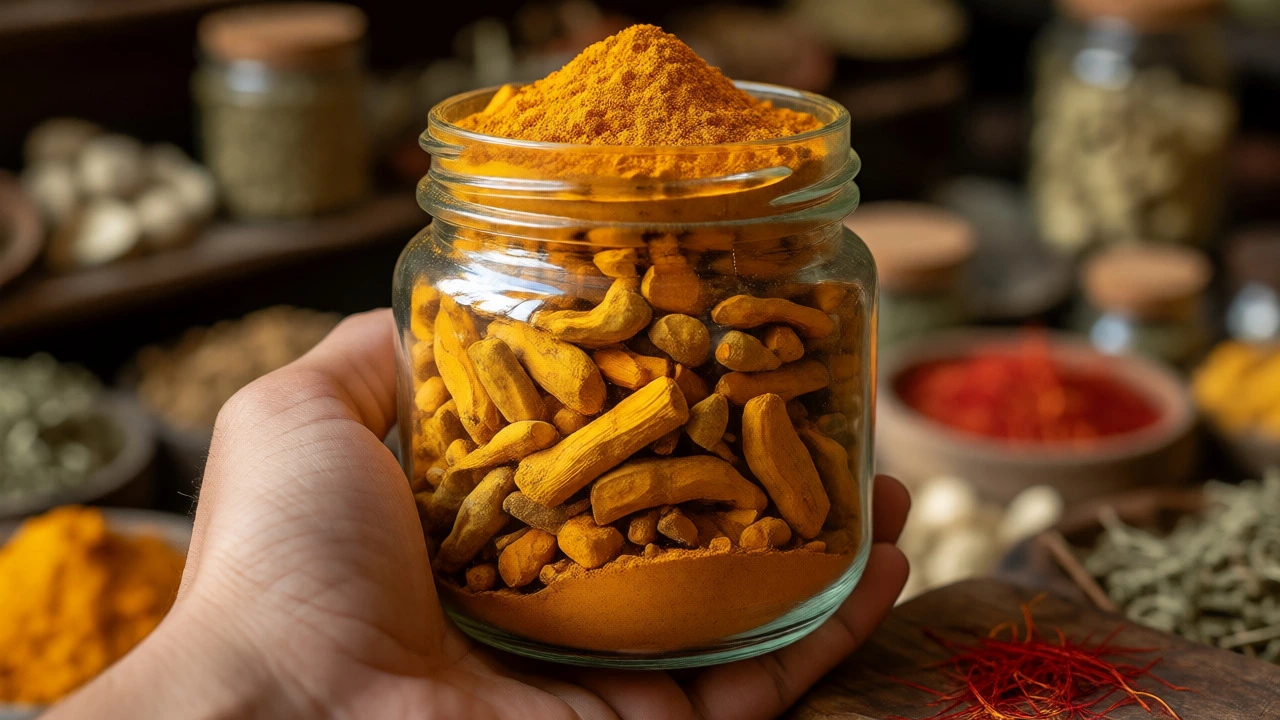
Here is a critical distinction most buyers miss: the difference between whole herb powder and a standardized extract. If a bottle says "500mg Turmeric Powder," it tells you the weight, but not how much active compound is inside. Curcumin, the active ingredient in turmeric, might make up only 3-5% of that powder. That means you’re getting 15-25mg of the actual medicine.
A Standardized Extract, however, guarantees a specific percentage of active compounds. For example, a label stating "95% Curcuminoids" means that out of every milligram of extract, 95% is the active curcuminoid complex. This consistency is vital because plant material varies wildly depending on where it was grown, when it was harvested, and how it was processed. Always look for labels that specify the percentage of active markers, such as:
- Ginsenosides for Ginseng
- Boswellic acids for Boswellia
- Silymarin for Milk Thistle
- Withanolides for Ashwagandha
If the label doesn’t tell you the percentage, you’re essentially flying blind regarding dosage.
Third-Party Testing and Certification Seals
Since government oversight is limited, independent organizations step in to verify quality. These groups test random batches of supplements from the market-not just samples sent by the manufacturer-to ensure what’s in the bottle matches the label. They also check for contaminants like heavy metals, pesticides, and microbes.
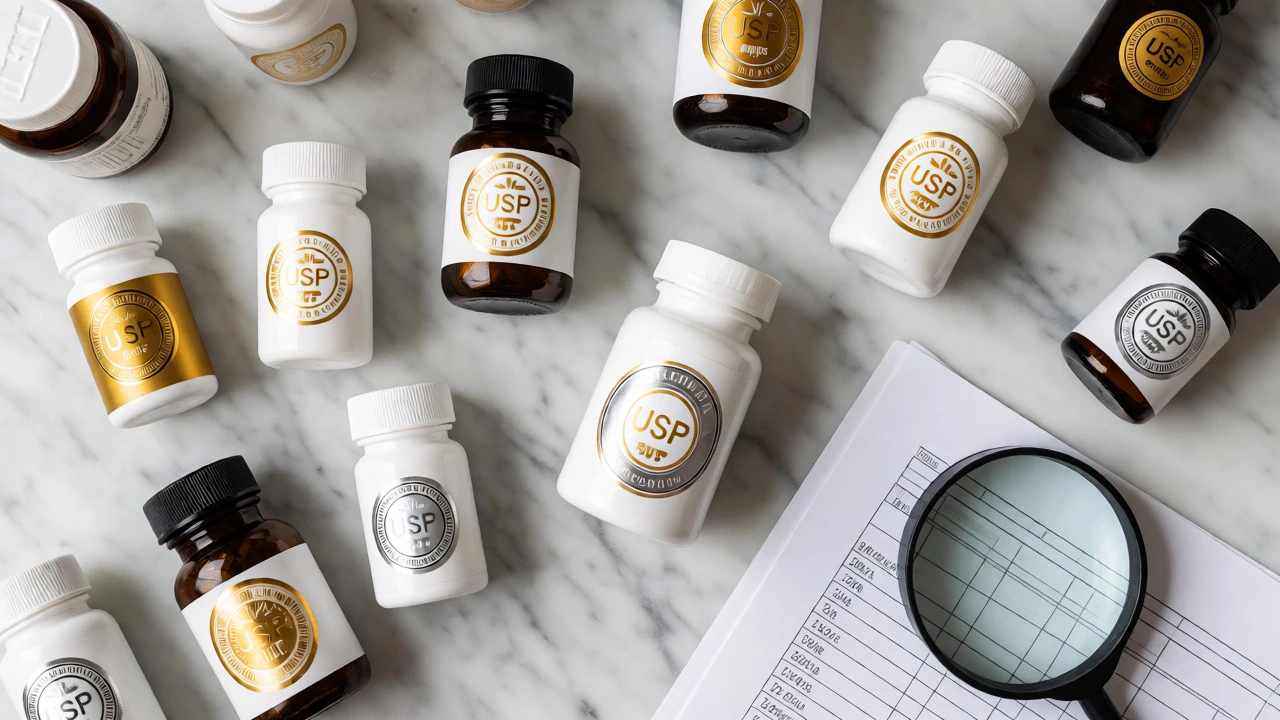
Look for seals from reputable third-party certifiers. In the global market, names like USP (United States Pharmacopeia), NSF International, and ConsumerLab.com carry significant weight. In India, look for products certified by the AYUSH Premium Mark or those that explicitly mention third-party lab reports available upon request.
| Certification Body | Focus Area | Why It Matters |
|---|---|---|
| USP Verified | Purity, Potency, Disintegration | Ensures the pill breaks down properly in your stomach. |
| NSF Certified for Sport | Contaminants, Label Accuracy | Critical if you are an athlete subject to drug testing. |
| Non-GMO Project | Genetic Modification | Confirms ingredients weren't genetically engineered. |
| Organic (USDA/EU) | Farming Practices | Reduces exposure to synthetic pesticides and fertilizers. |
Don’t just trust the brand name. Trust the seal. If a brand refuses to share their Certificate of Analysis (CoA)-a document detailing the test results for a specific batch-walk away.
Reading the Ingredient List Like a Detective
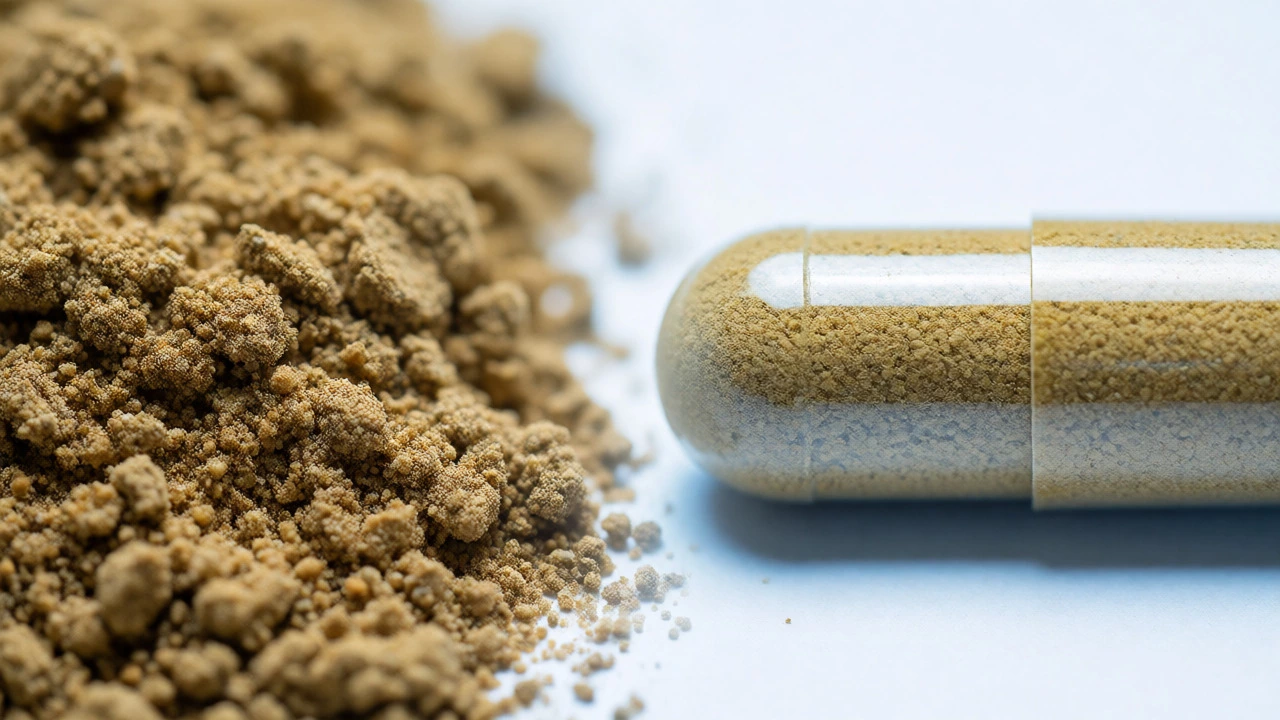
Flip the bottle over. The back label is where the truth hides. First, check the "Other Ingredients" section. Manufacturers use fillers, binders, and flow agents to make tablets hold together. Common culprits include magnesium stearate, silicon dioxide, and titanium dioxide. While generally recognized as safe, some people prefer to avoid them, especially if they have sensitive digestion.
Second, watch out for proprietary blends. A proprietary blend lists ingredients without specifying the exact amount of each. For instance, a "Stress Support Blend" might list Ashwagandha, Holy Basil, and Rhodiola, but only give the total weight of the blend (e.g., 600mg). You don’t know if you’re getting 500mg of cheap filler and 100mg of the expensive herb, or vice versa. Transparent brands disclose the individual dosage of every active ingredient.
Also, be wary of allergens. Even if a supplement is herbal, it might be processed in a facility that handles nuts, dairy, or gluten. If you have allergies, look for "Certified Gluten-Free" or "Nut-Free" claims.
Source Transparency and Sustainability
Where did the plants come from? High-quality brands are proud to tell you. They might source their Moringa from organic farms in Tamil Nadu or their Saffron from Kashmir. Knowing the origin helps assess quality, as soil conditions directly impact nutrient density.
Sustainability matters too. Over-harvesting has threatened species like Shatavari and certain wild orchids used for vanilla-like flavors. Ethical brands often partner with fair-trade cooperatives or engage in regenerative farming practices. Supporting these companies helps preserve biodiversity and ensures long-term availability of medicinal plants.
If a brand cannot answer basic questions about sourcing-like whether the herbs were wild-crafted or cultivated-you might want to reconsider. Wild-crafted herbs can be more potent but may carry higher risks of contamination if not tested rigorously.
Dosage Forms and Bioavailability
Not all supplements are created equal in how well your body absorbs them. Tablets are common but require disintegrants to break apart. Capsules are easier to swallow and often allow for faster absorption. Powders offer flexibility in dosing but can taste terrible. Liquid extracts drop under the tongue for rapid uptake, bypassing the digestive system entirely.
Bioavailability is the real game-changer. Some herbs are poorly absorbed on their own. Take black pepper, for example. Adding piperine (an extract from black pepper) to turmeric can increase curcumin absorption by up to 2000%. If you’re buying a turmeric supplement, check if it includes piperine or uses a lipid-based delivery system like phytosomes. Without these enhancers, you might be flushing most of the cost down the toilet.
Consider your lifestyle, too. If you travel frequently, capsules are convenient. If you have trouble swallowing pills, liquids or powders might be better. Match the form to your habits, but never compromise on the quality of the extract itself.
Price vs. Value: What Are You Actually Paying For?
Is the cheapest option always the best? Rarely. Extremely low prices often signal poor quality raw materials or excessive fillers. On the other end, sky-high prices don’t always mean better efficacy; sometimes you’re paying for fancy packaging or aggressive marketing.
To find true value, calculate the cost per dose of the active ingredient, not just the price per bottle. If Bottle A costs ₹500 for 60 capsules with 500mg of 5% curcumin, and Bottle B costs ₹800 for 60 capsules with 500mg of 95% curcumin, Bottle B offers far more actual medicine per rupee. Do the math. It’s tedious, but it saves money and disappointment in the long run.
Are herbal supplements safer than prescription drugs?
Not necessarily. "Natural" does not mean "safe." Herbs contain potent chemical compounds that can interact with medications. For example, St. John's Wort can reduce the effectiveness of birth control pills and blood thinners. Always consult your doctor before starting any new supplement regimen, especially if you are pregnant, nursing, or taking other medications.
How long does it take for herbal supplements to work?
Unlike painkillers, most herbal supplements build up in your system over time. Adaptogens like Ashwagandha or Rhodiola typically require 4 to 8 weeks of consistent use before noticeable benefits appear. Digestive aids or anti-inflammatories might show effects sooner, within days or weeks. Patience and consistency are key.
What is the difference between an extract and a powder?
Powder is simply the dried, ground-up plant material. An extract is concentrated using solvents (like water or alcohol) to isolate specific active compounds. Extracts are usually more potent and consistent, allowing for lower doses. However, whole herb powders provide the full spectrum of plant nutrients, which some practitioners believe works synergistically.
Can I take multiple herbal supplements at once?
Yes, but proceed with caution. Combining herbs can lead to unexpected interactions. For instance, stacking multiple sedative herbs like Valerian and Chamomile might cause excessive drowsiness. Start with one supplement at a time to monitor how your body reacts before adding another.
Why do some supplements have a strong smell or taste?
Many herbs, such as Garlic, Fenugreek, or Valerian, have naturally pungent odors and bitter tastes. This is often a sign of potency rather than spoilage. Enteric-coated capsules or flavored liquid extracts can help mask these sensations if they bother you.
Final Checklist Before You Buy
Before you head to checkout, run through this quick mental checklist:
- Active Ingredient Percentage: Is it listed? If yes, is it high enough to be effective?
- Third-Party Seal: Does it have USP, NSF, or a credible local equivalent?
- Proprietary Blends: Are individual dosages disclosed, or is it hidden behind a vague blend name?
- Fillers: Are there unnecessary additives you’d prefer to avoid?
- Brand Reputation: Can you find reviews or contact info easily? Do they respond to inquiries?
Buying herbal supplements shouldn’t feel like gambling. By focusing on transparency, standardization, and verification, you turn a risky purchase into a reliable part of your wellness routine. Your body deserves clarity, not confusion.

Write a comment