Cancer Survival Probability Calculator
Understanding Survival Probabilities
This tool estimates realistic survival probabilities based on medical data. Remember:
- Survival rates are averages and don't predict individual outcomes
- Stage 1 has much higher survival rates than Stage 4
- Remission is possible even when cure isn't guaranteed
- Modern treatments continue improving outcomes
Can you fully beat cancer? The answer isn’t a simple yes or no. It depends on what you mean by "beat." Some people live decades after diagnosis with no signs of cancer. Others are told they’re cured. But for many, cancer never truly disappears-it just goes quiet. And that quiet can last for years, or it can return without warning.
What Does "Beat Cancer" Really Mean?
When doctors say you’re "in remission," they don’t mean cancer is gone forever. They mean it’s not detectable right now. Blood tests, scans, and biopsies show no signs of tumors or abnormal cells. That’s a huge win. But it’s not the same as saying cancer was erased from your body.
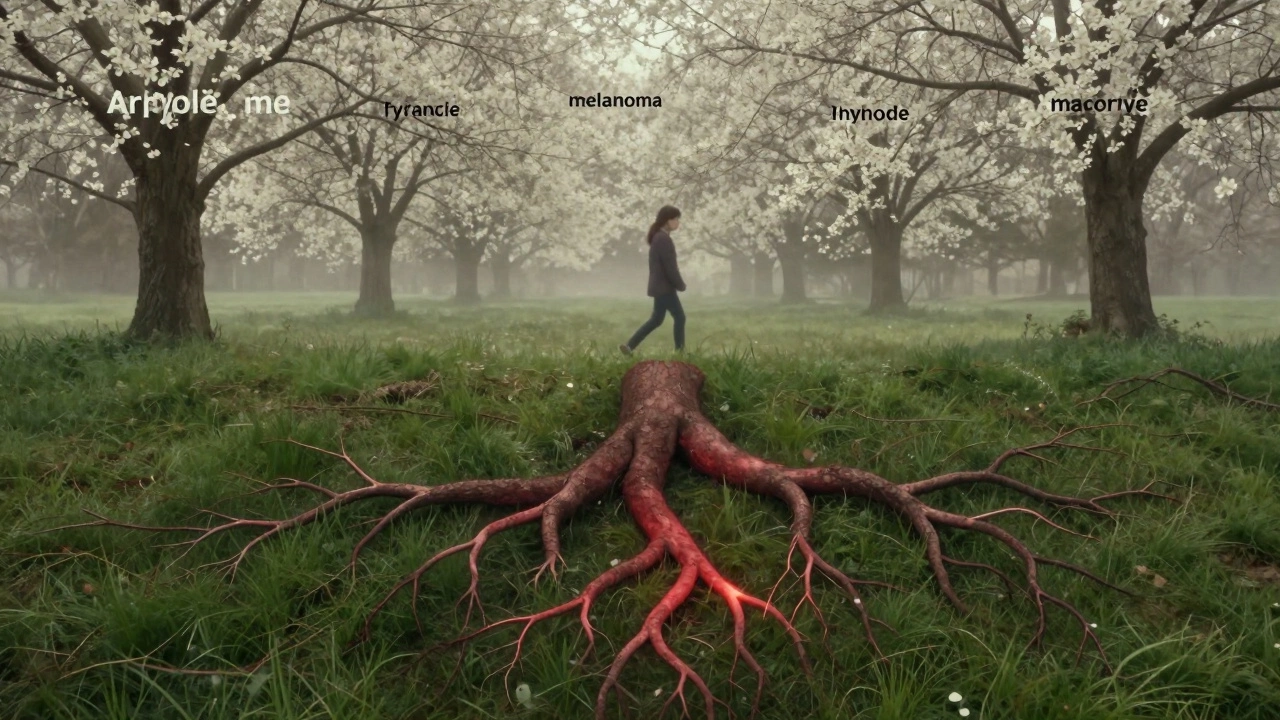
Think of it like a weed. You pull it up, the ground looks clean. But if even one root stays behind, it grows back. Cancer works the same way. Even after surgery, chemo, or radiation, a few cells can hide in your bones, liver, or lymph nodes. They’re dormant. Silent. Waiting.
That’s why follow-up scans are lifelong for many survivors. A PET scan at year five might look perfect. But at year eight, a new spot shows up. It’s not a failure. It’s biology.
Some Cancers Can Be Cured. Others Can’t-Yet.
Not all cancers are the same. Some have cure rates above 90% if caught early. Testicular cancer, for example. Thyroid cancer. Early-stage melanoma. In these cases, treatment doesn’t just control the disease-it removes it completely. People live full lives, die of old age, and never have cancer come back.
But others? They’re trickier. Pancreatic cancer. Glioblastoma. Ovarian cancer. Even when caught early, these cancers often come back. Why? Because they spread before symptoms show. By the time you feel pain or notice swelling, the cancer has already moved.
Take breast cancer. If it’s caught at Stage 1, the five-year survival rate is over 99%. Many consider that cured. But if it’s Stage 4 when diagnosed? Survival drops to about 30%. And even then, most people won’t be told they’re cured. They’ll be told they have a chronic disease-one that needs ongoing treatment.
Remission Isn’t the Same as Cure
There’s a big difference between remission and cure. Remission means no detectable cancer. Cure means no cancer, ever again. We don’t use the word "cure" lightly in oncology. Doctors avoid it unless they’re extremely confident.
Why? Because cancer can return even after 10, 15, or 20 years. A woman treated for breast cancer at age 35 might be fine at 45. But at 55, a new tumor appears in her spine. The original cancer cells never died-they just slept.
That’s why oncologists often say "long-term remission" instead of "cured." It’s more accurate. It’s also more honest. And it helps patients stay vigilant without feeling like they failed if cancer returns.
How Do We Know If Cancer Is Really Gone?
Right now, we don’t have a perfect test. MRIs and CT scans show tumors bigger than a few millimeters. Blood tests can find tumor markers-but they’re not always reliable. Some people have high markers with no cancer. Others have cancer with normal markers.
There’s promising research on liquid biopsies. These are blood tests that look for cancer DNA floating in your bloodstream. They’re already being used in some clinics to monitor high-risk patients. But they’re not standard yet. And even if they detect a few cancer cells, we don’t always know what to do about them.
So here’s the hard truth: We can’t guarantee cancer is gone. We can only say it’s not visible. And that’s why long-term monitoring is part of survivorship.
Survival Rates Don’t Tell the Whole Story
You’ve probably seen stats like "80% of lung cancer patients survive five years." That sounds hopeful. But here’s what it doesn’t say:
- That 80% includes people diagnosed at Stage 1. Those with Stage 4? Their survival is under 10%.
- Survival doesn’t mean quality of life. Many survivors deal with nerve damage, fatigue, heart problems, or memory loss from treatment.
- Five years is arbitrary. Cancer can come back at year six.
What matters more than statistics is your individual case. Your cancer type. Your age. Your genetics. Your response to treatment. A 50-year-old with early-stage colon cancer has a very different path than a 70-year-old with aggressive leukemia.
What’s Changed in the Last 10 Years?
Ten years ago, immunotherapy barely existed for most cancers. Now, it’s a game-changer. Drugs like Keytruda and Opdivo train your immune system to hunt cancer cells. For melanoma and lung cancer, some patients have lived over a decade with no progression.
Targeted therapies have also improved. Instead of chemo attacking all fast-growing cells, these drugs target specific mutations. Like a key fitting a lock. If your tumor has the BRCA mutation, a drug like Olaparib can shrink it. If it doesn’t? The drug won’t work.
And precision medicine is growing. Doctors now sequence your tumor’s DNA to find the best treatment. It’s not science fiction. It’s happening in hospitals in Bangalore, Mumbai, and Delhi every day.
But these advances don’t mean cancer is beatable for everyone. They mean more people have options. More people live longer. More people have hope.
Can You Live a Normal Life After Cancer?
Yes. Many do. But "normal" changes. You might not feel the same energy. You might avoid certain foods. You might panic during every cough or ache. That’s normal too.
Some survivors go back to work. Others retire early. Some volunteer. Some travel. Some sit quietly, grateful for each morning.
What they all share? A deep awareness of time. A gratitude for health that most people never feel. And a quiet understanding: cancer might not be gone. But neither are they.
What’s the Realistic Goal?
The goal isn’t to "beat" cancer like a villain in a movie. The goal is to outlive it. To manage it. To live so fully that cancer becomes a chapter, not the whole book.
For some, that means surgery and chemo, followed by a quiet life. For others, it’s clinical trials, new drugs, and repeated treatments. For a lucky few, it’s a complete cure.
But no matter your path-whether you’re in remission, on maintenance therapy, or living with cancer as a chronic condition-you’re not alone. And you’re not defined by your diagnosis.
What Comes Next?
If you’re newly diagnosed: Learn your cancer type. Ask about your stage. Find out what treatments are proven for your case. Talk to a second oncologist. Don’t rush. Take time. Your life depends on the choices you make now.
If you’re a survivor: Keep your scans. Stay active. Eat well. Don’t ignore symptoms. And don’t let fear stop you from living. The cancer might be quiet-but your life doesn’t have to be.
If you’re caring for someone: Listen more than you fix. Offer rides. Bring meals. Say their name. Cancer doesn’t end when treatment does. Love doesn’t either.
Final Thought: The Answer Isn’t Binary
You can’t say "yes, you can fully beat cancer"-because for some, you can. And for others, you can’t. Not yet.
But you can say this: Cancer doesn’t get the last word. People do. And every day someone lives beyond their prognosis? That’s a kind of victory.
Can cancer ever be completely cured?
Yes, for some types of cancer-especially when caught early. Testicular cancer, early-stage thyroid cancer, and some forms of melanoma have cure rates over 90%. But for many others, like pancreatic or ovarian cancer, a complete cure is still rare. Even when tumors disappear, doctors avoid saying "cured" because cancer can return years later.
What’s the difference between remission and cure?
Remission means no detectable cancer through scans or tests. Cure means the cancer is gone forever and will never return. Doctors rarely use the word "cure" because cancer can hide in the body for years and come back. Remission is a realistic goal. Cure is a hope-not a guarantee.
Why does cancer come back after years?
Cancer cells can survive treatment by going dormant. They hide in bones, fat tissue, or lymph nodes, where drugs can’t reach them easily. These cells don’t grow for years-until something triggers them. Stress, hormones, or changes in the immune system can wake them up. That’s why lifelong monitoring is critical for many survivors.
Are new treatments making cancer curable more often?
Yes. Immunotherapy and targeted drugs have dramatically improved survival for melanoma, lung cancer, and some blood cancers. Some patients on Keytruda or CAR-T therapy have lived over a decade with no signs of disease. But these treatments don’t work for everyone. They’re expensive. And they’re not magic bullets-they’re tools that give more people a fighting chance.
Can lifestyle changes help prevent cancer from coming back?
Research shows that staying active, eating mostly plants, avoiding alcohol, and not smoking can lower the risk of recurrence for breast, colon, and prostate cancers. It doesn’t guarantee prevention-but it improves your odds. It also helps your body recover from treatment. A healthy lifestyle isn’t a cure, but it’s one of the best supports you can give yourself.
Is it possible to beat cancer without chemotherapy?
In rare cases, yes. Some early-stage cancers, like certain skin cancers or very small tumors, can be removed with surgery alone. Others respond to radiation or immunotherapy without chemo. But for aggressive cancers-like pancreatic, lung, or triple-negative breast cancer-chemotherapy is still often necessary. Avoiding proven treatments in favor of unproven alternatives can be dangerous.

Write a comment