
Open-Heart Surgery Recovery Timeline Calculator
Your Recovery Details
Weeks 1-2
REST PHASEStrict rest period
- No driving allowed
- Light wound care only
- Sternum extremely fragile
Weeks 3-4
HEALINGGradual movement increase
- Increased walking permitted
- Still no driving
- Bone beginning to knit
Weeks 5-6
ASSESSMENTMedical evaluation phase
- Follow-up appointment required
- X-ray examination
- Potential light driving clearance
Weeks 8-12
RECOVERYFull healing phase
- Long-distance travel possible
- Normal activities resume
- Complete sternal union
Imagine sitting in your car, the engine humming, ready to head home or visit family. Now imagine that just weeks ago, you had a major procedure where surgeons opened your chest to repair your heart. The question isn't just about comfort; it's about survival and healing. For most patients recovering from open-heart surgery, which is a major surgical procedure involving the sternum (breastbone) and often the heart itself, the timeline for getting back behind the wheel or into the passenger seat is strict. It’s not merely a matter of feeling "good enough." It involves bone healing, medication side effects, and the risk of sudden medical emergencies on the road.
The short answer? Most doctors advise waiting at least four to six weeks before driving, and even longer for long-distance travel. But "travel" means different things to different people. Are you commuting to work ten minutes away? Or are you planning a cross-country trip? Let’s break down exactly when you can safely hit the road, what risks you face, and how to prepare your body for the journey.
The Critical Healing Timeline: Why Patience Matters
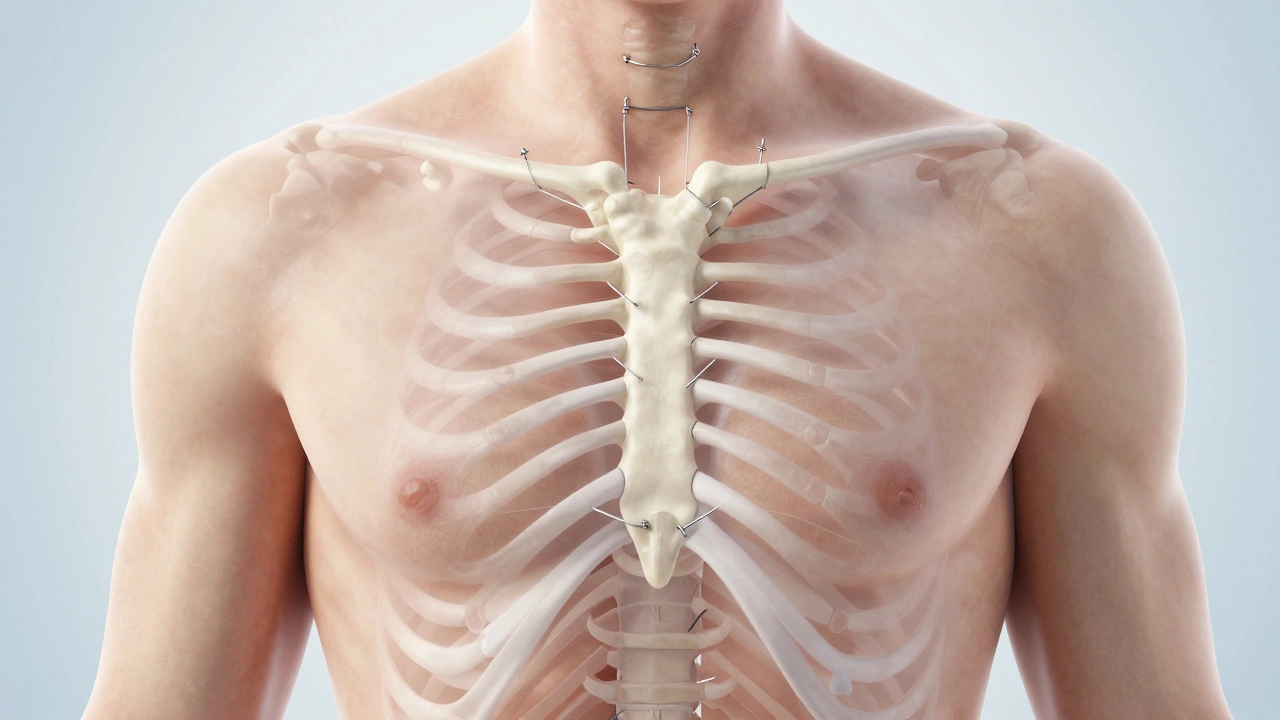
Your chest doesn’t heal like a cut on your finger. During open-heart surgery, the surgeon splits the sternum, also known as the breastbone to access the heart. This bone is held together with stainless steel wires or plates. While these wires are strong, the bone itself needs time to fuse back together-a process called bony union.
In the first two weeks post-surgery, the sternum is incredibly fragile. A sudden stop, a minor fender-bender, or even a sharp turn could cause the sternum to separate (a condition called sternal dehiscence). This complication requires further surgery and significantly delays recovery. By week four, the bone has started to knit together, but it isn’t fully stable. Most cardiothoracic surgeons recommend waiting until the six-week mark before any significant physical exertion, including driving.
- Weeks 1-2: Strict rest. No driving. No lifting anything heavier than a coffee mug. Focus on wound care and pain management.
- Weeks 3-4: Light walking increases. You might feel energetic, but your sternum is still vulnerable. Do not drive yet.
- Weeks 5-6: Follow-up appointment. Your doctor will check your incision and possibly take an X-ray to see how the sternum is healing. If everything looks good, they may clear you for light driving.
- Weeks 8-12: Full sternal healing is usually complete. Longer trips become safer, provided you have stamina.
Driving vs. Riding: The Hidden Risks
Many patients think, "If I’m just a passenger, I’m safe." That’s a dangerous assumption. Being a driver requires more than just turning the steering wheel. It demands quick reflexes, mental clarity, and the ability to perform an emergency maneuver if needed.
Consider this scenario: A ball rolls into the street ahead of you. Instinctively, you slam on the brakes and swerve. That sudden jerking motion puts immense strain on your upper body and chest. If your sternum hasn’t healed, that movement could pull the wires apart. Even if you’re just riding in the back seat, airbags deploy with tremendous force. If your seatbelt is tight across your chest during a collision, the impact could injure your healing sternum.
Furthermore, the medications you’re taking play a huge role. Beta-blockers, commonly prescribed after heart surgery to control heart rate and blood pressure, can cause fatigue and dizziness. Opioid painkillers, if you’re still using them, impair reaction times and judgment. Driving while under the influence of these meds is illegal in many places and incredibly risky.
When Is It Safe to Drive Again?
There is no universal rule because every patient heals differently. However, there are specific criteria your doctor will look for before giving you the green light:
- Pain-Free Movement: You must be able to turn your head quickly to check blind spots without wincing or needing to support your chest with your hands.
- No Pain Medication: You should be off narcotic pain relievers. Acetaminophen or ibuprofen is usually fine, but opioids are a hard no.
- Emergency Reflex Test: Your doctor may ask you to simulate slamming on the brakes. If you hesitate due to fear of pain, you aren’t ready.
- Stable Vital Signs: Your heart rate and blood pressure should be stable and within normal limits.
If you meet these criteria at your six-week checkup, you can likely start with short, local drives. Think grocery runs or visiting a nearby friend. Avoid highways and heavy traffic initially.
Long-Distance Travel: Planning for Success
Once you’ve cleared short drives, you might want to go on a longer trip. Maybe you’re heading to a wedding or visiting family out of state. Long-distance travel introduces new challenges: fatigue, deep vein thrombosis (DVT) risk, and limited access to immediate medical care.
DVT is a serious concern for anyone who has had major surgery. Sitting for long periods slows blood flow in your legs, increasing the risk of blood clots. To mitigate this:
- Stop Every Hour: Plan your route so you can pull over every 60-90 minutes. Walk around for 5-10 minutes to get your blood flowing.
- Hydrate: Drink water regularly. Dehydration thickens the blood, raising clot risk.
- Compression Socks: Ask your doctor if you should wear graduated compression stockings during the trip.
- Avoid Flying Initially: Air travel is usually restricted for at least 4-6 weeks post-surgery due to cabin pressure changes and immobility. Always consult your cardiologist before booking a flight.
Also, consider the terrain. Mountain roads with steep inclines can make your heart work harder. Hot climates can cause dehydration and put stress on your cardiovascular system. Plan your trip during cooler months if possible, and keep your itinerary flexible.
Preparing Your Car for Recovery
Your car environment matters. Standard seats might not provide enough support for your posture, leading to slouching that strains your chest. Here’s how to set up your vehicle for safety and comfort:
| Item | Purpose | Recommendation |
|---|---|---|
| Seat Position | Reduce strain on arms and chest | Move seat slightly forward so you don’t have to reach far for the wheel. |
| Back Support | Maintain upright posture | Use a lumbar roll or small pillow to support your lower back. |
| Steering Wheel | Ease arm extension | Tilt the wheel upward so you can grip it without extending your arms fully. |
| Emergency Kit | Safety precaution | Keep your discharge papers, medication list, and insurance info in the glove box. |
| Pain Relief | Comfort during stops | Have non-narcotic pain relievers accessible in case of muscle stiffness. |
Don’t forget to adjust your mirrors carefully. Looking over your shoulder can twist your torso, which hurts. Use your side mirrors extensively and rely on camera systems if your car has them.

Red Flags: When to Call for Help
Even if you feel great, listen to your body. If you experience any of the following while driving or traveling, pull over immediately and seek medical attention:
- Chest Pain: Any new or worsening pain in the center of your chest.
- Shortness of Breath: Difficulty breathing that doesn’t resolve with rest.
- Dizziness or Fainting: Feeling lightheaded or losing consciousness.
- Rapid Heartbeat: A heart rate that feels unusually fast or irregular.
- Swelling in Legs: Especially if one leg is more swollen than the other, red, or warm to the touch (signs of DVT).
Never ignore these symptoms. Your heart has been through a lot, and pushing too hard too soon can undo all the progress you’ve made.
Insurance and Legal Considerations
Before you get back on the road, check your auto insurance policy. Some policies have exclusions for recent major surgeries. If you have an accident while driving against medical advice, your claim could be denied. Additionally, in some regions, you are legally required to notify the Department of Motor Vehicles (DMV) or equivalent agency about conditions that affect your driving ability. Failure to do so can result in fines or invalidated insurance.
Always get written clearance from your cardiologist or surgeon. Keep a copy in your car. Not only does this protect you legally, but it also provides peace of mind knowing you’ve followed professional guidance.
Can I drive if I only had minimally invasive heart surgery?
Minimally invasive procedures, such as those done through small incisions between the ribs, often allow for faster recovery. You might be cleared to drive in as little as 2-3 weeks, depending on your pain levels and mobility. However, you still need explicit approval from your surgeon, as internal healing takes time regardless of the external incision size.
What if I live in a rural area and need to drive to get to follow-up appointments?
This is a common dilemma. If you live remotely, discuss this with your healthcare team early on. They may arrange for a nurse to visit you or coordinate telehealth visits. If driving is absolutely necessary, ensure you have someone else who can drive you, or use ride-sharing services if available. Never compromise safety for convenience.
How do I know if my sternum is healed enough to drive?
Your surgeon will determine this through physical examination and possibly imaging tests like X-rays. Look for signs like reduced tenderness when pressing lightly on the incision site, ability to move your arms freely above your head, and no clicking or grinding sensations in your chest. But ultimately, trust your doctor’s assessment over your own feelings.
Is it safe to fly after open-heart surgery?
Flying is generally discouraged for at least 4-6 weeks post-surgery. Cabin pressure changes can affect oxygen levels, and the confined space increases DVT risk. If you must fly, consult your cardiologist first. They may prescribe blood thinners or recommend specific seating arrangements. Always carry your medical records onboard.
What should I do if I feel dizzy while driving?
Pull over to a safe location immediately. Turn on your hazard lights. Take slow, deep breaths and check your pulse if you can. If the dizziness persists, call emergency services. Do not attempt to continue driving. Dizziness can be a sign of low blood pressure, arrhythmia, or medication side effects, all of which require medical evaluation.

Write a comment