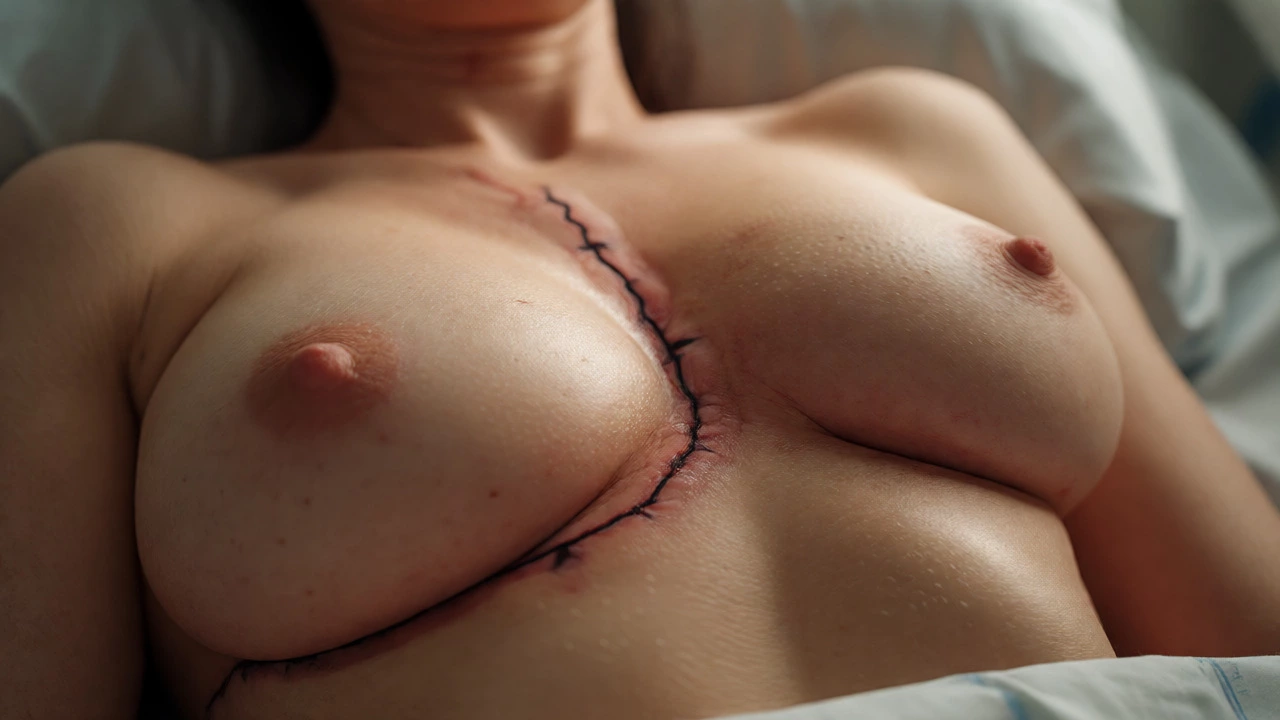
Post-Open Heart Surgery Breast Recovery Checker
Recovery Timeline Context
- Support: Wear a front-closure sports bra or surgical garment. Avoid underwires until cleared.
- Splinting: Hold a pillow against your chest when coughing or sneezing.
- Sleep: Sleep on your back or slightly propped up to reduce torque on the sternum.
- Scars: Use silicone sheets once fully closed to help fade marks over 12-18 months.
Interactive Recovery Guide
Select your current symptoms and time since surgery to get personalized insights on breast changes after open heart surgery.
You might be focused on your heartbeat, but there’s another part of the anatomy that gets attention during open heart surgery: your breasts. It sounds strange, right? Why would a procedure on the chest wall affect breast tissue? The answer lies in the mechanics of how surgeons access the heart. Whether you are facing a bypass or a valve replacement, understanding what happens to breast tissue is crucial for managing expectations about pain, sensation, and appearance.
This isn’t just about aesthetics. The incisions made to reach the heart can disrupt nerves, blood vessels, and soft tissue. For many patients, especially women, this leads to temporary or permanent changes in breast shape, sensitivity, and comfort. Let’s break down exactly what occurs physically and why it matters for your recovery.
The Surgical Pathway: Why Breasts Are Involved
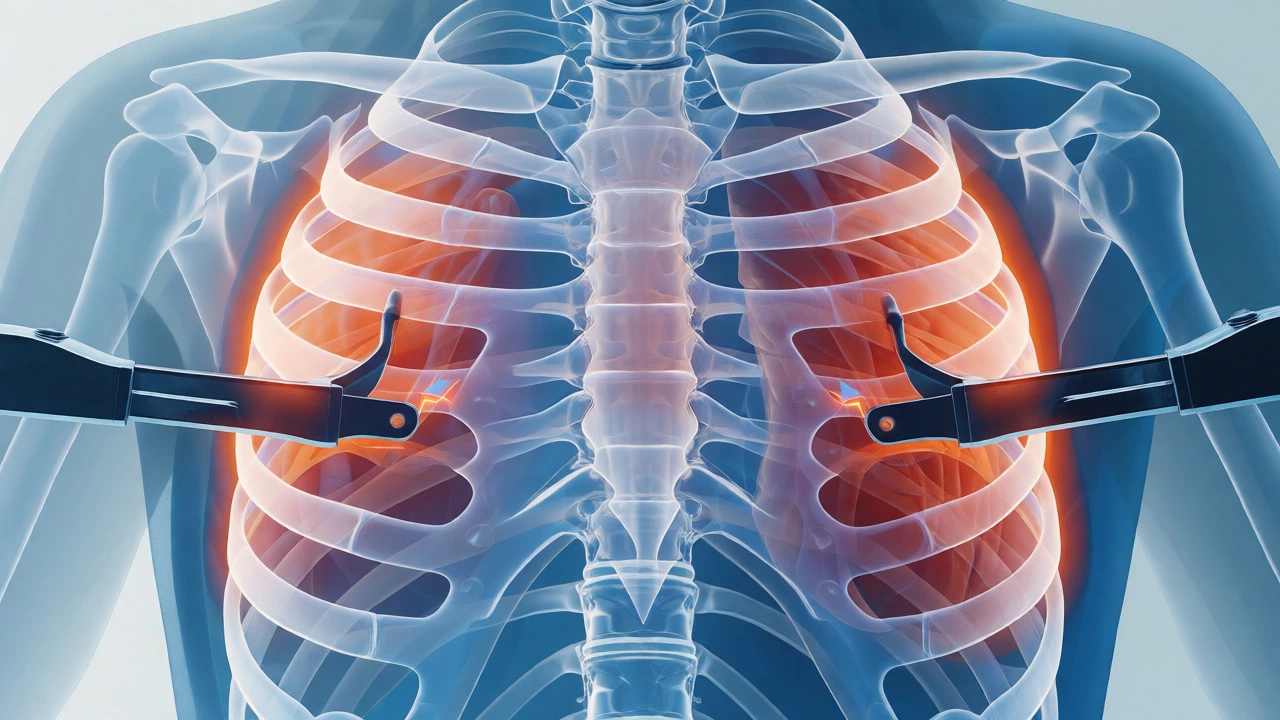
To understand the impact on breasts, you have to look at the entry point. Most open heart surgeries use a median sternotomy. This involves cutting through the breastbone (sternum) vertically from the neck down to the abdomen. This cut runs directly between the breasts, not through them, but the retraction required to keep the chest open puts significant pressure on surrounding tissues.
Surgeons use a device called a sternal retractor to spread the rib cage apart. Imagine trying to hold a door open with a heavy object; now imagine doing that for hours while delicate structures stretch. This spreading action compresses the breast tissue against the ribs and muscles. For patients with larger breasts, this compression can be more intense, leading to bruising, swelling, or even fat necrosis-where fatty tissue dies due to lack of blood flow.
Some procedures, like certain minimally invasive options, might use smaller incisions under the breast fold (inframammary). While this avoids splitting the sternum, it still manipulates breast tissue directly. Knowing which approach your surgeon plans helps predict the specific type of trauma your breast tissue will endure.
Nerve Damage and Sensation Changes
One of the most common complaints after open heart surgery is altered sensation in the chest and breast area. This happens because the intercostal nerves, which run along the ribs, get stretched or occasionally cut during the procedure. These nerves provide feeling to the skin over your chest and breasts.
- Numbness: Many patients report a "numb patch" around the incision site. This is often permanent but rarely causes functional problems.
- Hypersensitivity: Conversely, some people experience heightened sensitivity or burning sensations as nerves heal.
- Itching: As nerve endings regenerate, itching is a common sign of healing, though it can be frustrating.
These sensations usually peak in the first few weeks post-surgery. While they can be alarming, they are typically benign signs that your nervous system is attempting to repair itself. If you notice sudden sharp pain instead of dull ache or numbness, contact your care team immediately, as this could indicate other complications.
Physical Appearance and Structural Changes
Does open heart surgery change the size or shape of your breasts? Not directly, but indirect effects play a role. Weight fluctuations are common during recovery. Some patients gain weight due to reduced activity and fluid retention, while others lose muscle mass. Since breasts contain fat tissue, these body composition shifts can alter their appearance.
| Change Type | Cause | Duration | Management Tip |
|---|---|---|---|
| Swelling (Edema) | Inflammation and fluid retention | 2-6 Weeks | Elevation and prescribed diuretics |
| Bruising | Trauma from retractors | 1-3 Weeks | Cold compresses (if cleared by doctor) |
| Fat Necrosis | Limited blood supply to fatty tissue | Months | Massage or minor drainage if severe |
| Scar Contracture | Healing scar tissue tightening | Long-term | Silicone sheets and gentle stretching |
Fat necrosis is a specific concern for those with larger breast volumes. When the tissue is compressed too tightly by retractors, some fat cells may die off. This creates firm lumps that can feel concerning. They are usually harmless but should be evaluated by a doctor to rule out other issues. Unlike cancerous lumps, these do not grow rapidly and often soften over time.
Managing Pain and Comfort During Recovery
Pain management isn't just about taking pills; it's about protecting the surgical site. Breasts move when you walk, breathe deeply, or cough. Every movement pulls on the healing sternum. This is why medical staff insist on "splinting"-holding a pillow firmly against your chest when you cough or sneeze.
Supportive bras become critical equipment during recovery. Avoid underwire bras initially, as the wire can press against the healing incision or sensitive nerve areas. Look for front-closure sports bras or surgical support garments that minimize bounce without restricting circulation. Proper support reduces strain on the pectoral muscles attached to the sternum, speeding up bone healing.
Also, consider sleeping positions. Lying flat on your back is standard, but side sleeping might pull on the chest muscles. Use pillows to prop yourself slightly upright or between your knees to align your spine. This reduces torque on the chest wall and minimizes breast discomfort.

Psychological Impact and Body Image
We often overlook the mental toll of visible scars. A vertical scar down the center of the chest is a stark reminder of major health events. For many women, seeing their breasts distorted by swelling or marked by a long scar triggers anxiety about body image. This is valid and normal.
Research suggests that body dissatisfaction after cardiac surgery correlates with slower emotional recovery. Acknowledging these feelings is step one. Support groups specifically for cardiac patients often discuss these cosmetic concerns openly. You aren't vain for caring about how your chest looks; you're human. Over time, scars fade and swell subsides, but patience is key. Give yourself grace during the first three months as your body recalibrates.
When to Call Your Doctor
While most changes are part of normal healing, some signs warrant immediate attention. Watch for red flags that distinguish routine recovery from complications.
- Signs of Infection: Redness spreading away from the incision, warmth, pus, or fever above 100.4°F (38°C).
- Fluid Accumulation: Sudden increase in breast size or asymmetry could indicate hematoma (blood collection) or seroma (fluid pocket).
- Unusual Lumpiness: While fat necrosis is common, any new lump that grows or feels fixed needs evaluation.
- Severe Pain: Pain that worsens despite medication or restricts breathing significantly.
Your cardiologist or primary care provider can assess these symptoms quickly. Don't hesitate to ask questions about breast health during follow-ups. Sometimes, mammography schedules need adjustment post-surgery due to scar tissue, so inform your radiologist about your history.
Do I need to stop breastfeeding after open heart surgery?
Most medications used during and after surgery are compatible with breastfeeding, but this depends on the specific drugs administered. Always consult your cardiologist and pediatrician before resuming nursing. Milk supply may temporarily drop due to stress and hospital separation, but pumping can help maintain production.
Will my breast scars fade completely?
Scars rarely disappear entirely, but they mature significantly over 12 to 18 months. Initially red and raised, they often flatten and lighten to a silvery-white color. Silicone gel sheets and sun protection can improve appearance, but genetic factors play a large role in final outcome.
Can I wear an underwire bra after recovery?
Yes, once the sternum has fully healed, usually around 6 to 8 weeks, and your surgeon gives clearance. Start with soft wires or padded versions to ensure comfort against the scar tissue. If the wire irritates the incision line, switch back to wireless options for longer periods.
Does breast size affect the risk of complications?
Larger breast volume can increase the difficulty of maintaining sterility and accessing the surgical field, potentially raising infection risks slightly. However, modern surgical techniques and careful positioning mitigate these risks. Pre-operative planning accounts for anatomy to minimize trauma.
Is breast pain a sign of heart problems?
Chest pain after surgery is common due to musculoskeletal healing. However, true cardiac pain feels different-often pressure-like and radiating to the jaw or arm. If breast pain is localized to the skin or incision, it's likely superficial. Always report new or changing chest sensations to your doctor to be safe.

Write a comment