Type 2 Diabetes Medication: What Works, What Doesn’t, and What You Need to Know
When you’re diagnosed with type 2 diabetes medication, a category of drugs used to lower blood sugar in people whose bodies don’t use insulin properly. Also known as oral hypoglycemics or glucose-lowering agents, these drugs aren’t one-size-fits-all—they’re chosen based on your weight, heart health, kidney function, and even your budget. This isn’t just about popping a pill. It’s about matching the right tool to your body’s needs.
Two of the most talked-about options are metformin, a decades-old, low-cost tablet that helps your body respond better to insulin and Ozempic, a weekly injection that slows digestion, reduces appetite, and lowers blood sugar while helping people lose weight. They’re both used for type 2 diabetes, but they work in completely different ways. Metformin doesn’t cause weight loss—some people even gain a little. Ozempic does the opposite: it often leads to noticeable weight loss and may even protect your heart. You can’t swap one for the other. One is a classic, the other is a modern upgrade.
Then there’s the growing group of drugs called GLP-1 agonists, a class of injectable medications that mimic a natural hormone to control blood sugar and reduce hunger. Ozempic is one of them. Others include Wegovy, Mounjaro, and newer generics that are starting to appear. These aren’t just for diabetes—they’re changing how we think about obesity, heart disease, and long-term metabolic health. But they’re expensive. That’s why many people look for cheaper alternatives or ask if natural approaches can help. Some do, like turmeric or Ayurvedic eating, but they don’t replace medication. They can support it.
What’s missing from most discussions is that your choice isn’t just about science—it’s about your life. Can you stick to a weekly injection? Do you have insurance that covers it? Are you worried about side effects like nausea or vomiting? Are you trying to lose weight, or just keep your numbers in range? The best type 2 diabetes medication is the one you can take consistently without breaking your budget or your peace of mind.
And it’s not just about drugs. Many people with type 2 diabetes also explore Ayurvedic diets, detox plans, or herbal supplements to feel more in control. But here’s the truth: no herb replaces metformin. No cleanse lowers HbA1c like a GLP-1 agonist. What these approaches can do is help you feel better, reduce inflammation, and make your medication work more effectively. That’s why you’ll find posts here about turmeric, dosha-based eating, and even how to spot trustworthy supplement brands. They’re not alternatives—they’re teammates.
There’s no magic pill. But there are smart choices. And the right type 2 diabetes medication can do more than control blood sugar—it can give you energy, protect your heart, and help you live longer. What you need to know isn’t just which pills exist. It’s which one fits your body, your habits, and your goals. Below, you’ll find clear comparisons, real cost breakdowns, and honest takes on what actually works—not what’s trending.
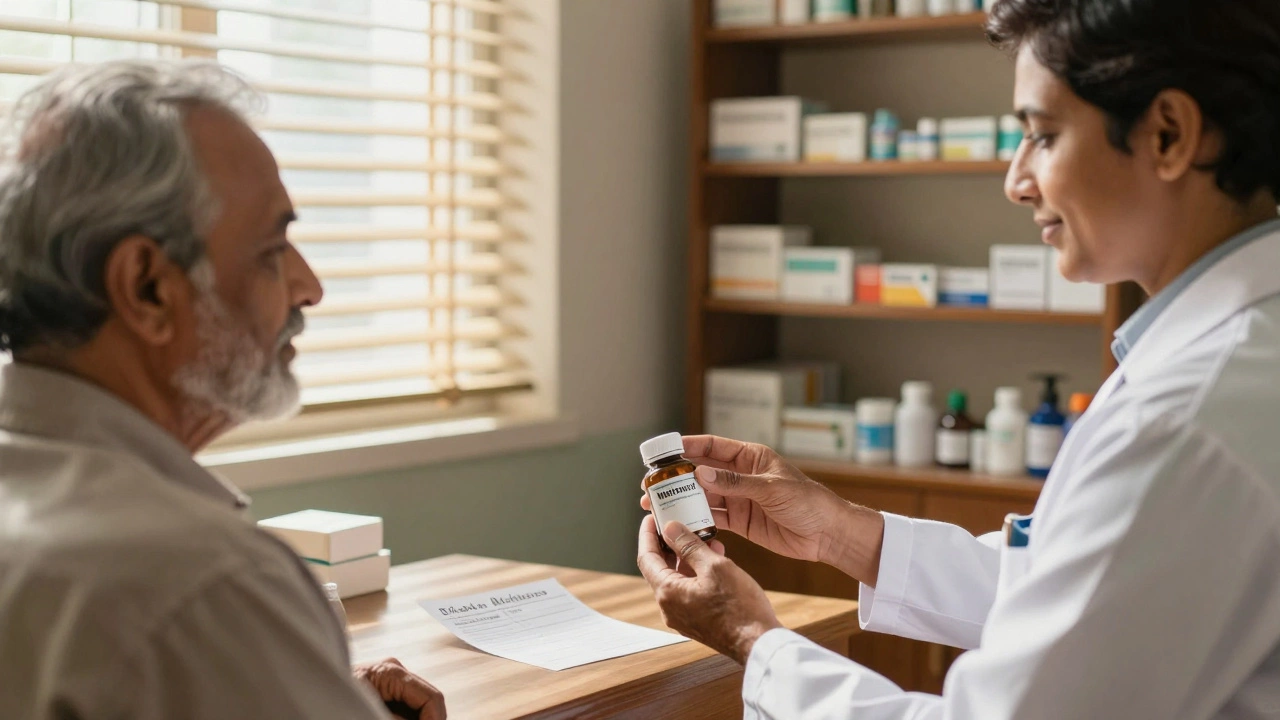
What Is the Number One Diabetic Pill? The Truth About Metformin and Other Common Medications
Metformin is the most prescribed and safest first-line medication for type 2 diabetes. Learn why it's still the top choice despite newer options, how it works, side effects, and what to do if it doesn't work for you.
read more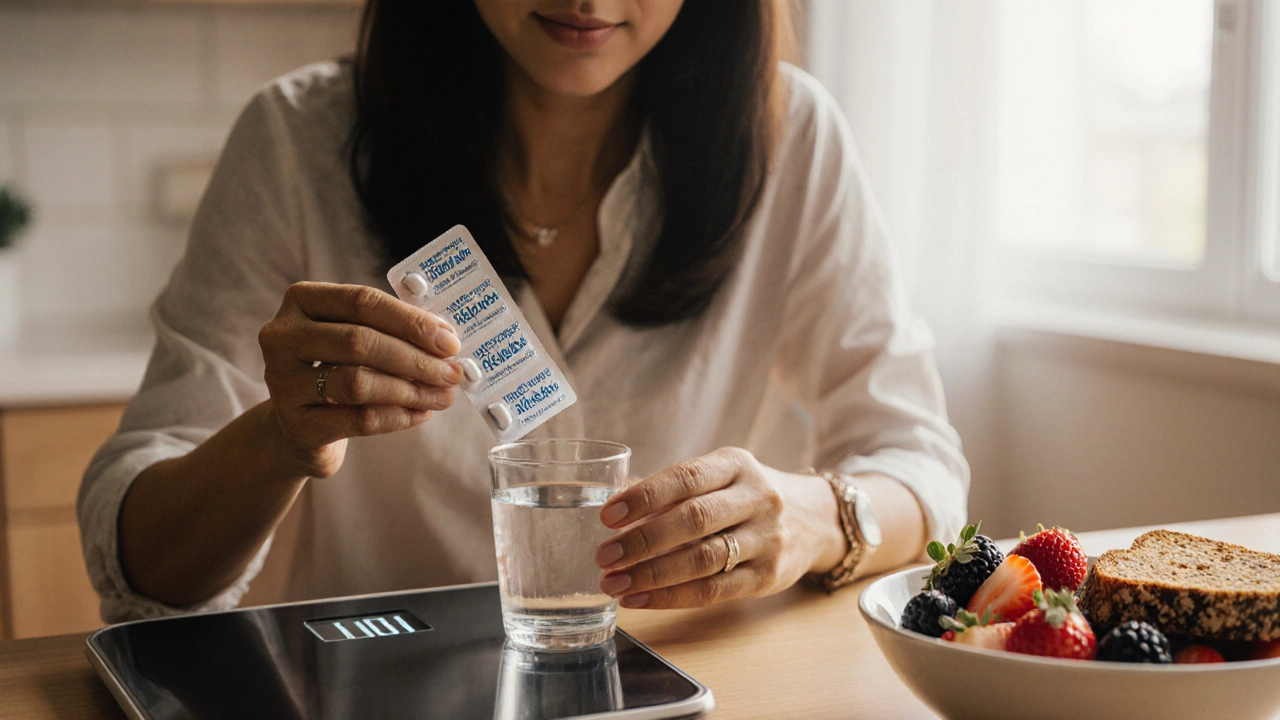
Will I Gain Weight After Stopping Metformin? - What to Expect
Learn why stopping Metformin can lead to weight gain, the factors that affect it, and practical steps to manage your weight while controlling diabetes.
read more