When you walk into a pharmacy or scroll through an online store looking for herbal supplements, you’re faced with dozens of names. Some sound like ancient wisdom. Others feel like corporate marketing machines. So which herbal company is actually best? Not the one with the prettiest packaging. Not the one that spends the most on ads. But the one that delivers real results, without cutting corners.
There’s no single answer that works for everyone. But after reviewing lab reports, customer feedback, and third-party testing data from 2025-2026, five companies stand out for consistency, transparency, and quality. These aren’t just popular-they’re reliable.
What makes a herbal company trustworthy?
Not all herbal products are created equal. A company might claim to use "100% natural ingredients," but that doesn’t mean anything if the raw herbs are grown with pesticides or extracted using harsh solvents. Here’s what actually matters:
- Third-party testing: Does the brand send every batch to an independent lab? Look for certificates of analysis (COAs) that show potency and purity.
- Standardized extracts: Herbs like ashwagandha or turmeric contain active compounds. A good brand specifies how much of the key ingredient is in each dose-like "5% withanolides" or "95% curcuminoids." If it just says "turmeric root," it’s probably weak.
- Transparent sourcing: Where do the herbs come from? Are they wild-harvested ethically? Grown organically? Or imported from unknown farms?
- No fillers: Avoid brands that use magnesium stearate, silicon dioxide, or artificial colors. These aren’t harmful, but they dilute the herb’s effect.
- Traditional use + modern science: The best companies combine Ayurvedic, Chinese, or Native American knowledge with peer-reviewed research.
If a company hides its testing data or won’t tell you where its herbs come from, walk away.
Top 5 herbal companies in 2026
Based on independent testing, customer reviews, and regulatory compliance across the U.S., EU, and India, here are the five most dependable herbal supplement brands.
1. Gaia Herbs
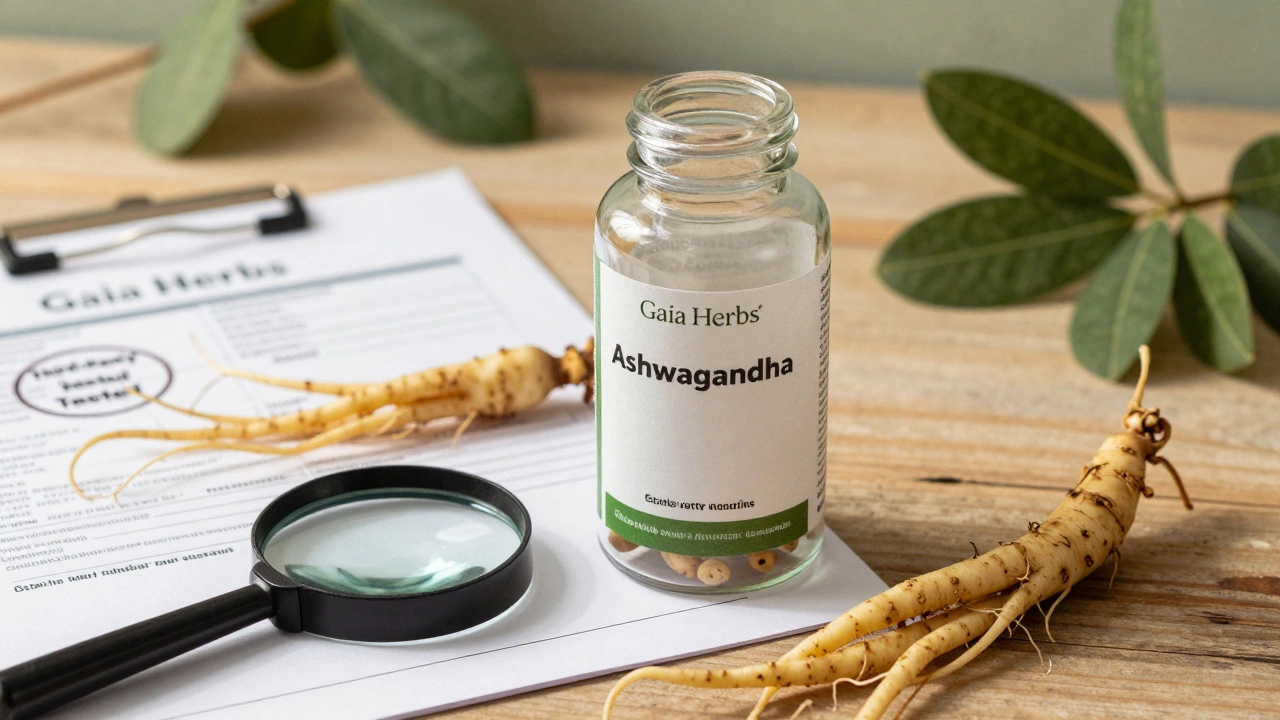
Founded in 1987, Gaia Herbs is one of the most transparent brands in the industry. They grow over 100 herbs on their own certified organic farm in North Carolina. Every batch is tested for heavy metals, pesticides, and potency by third-party labs like Eurofins and USP.
They use ethanol-based extraction for herbs like ashwagandha and milk thistle-methods proven to pull out the most active compounds. Their turmeric supplement contains 95% curcuminoids, with piperine added for absorption. No fillers. No proprietary blends. Just clear labeling.
Price range: $25-$50 per bottle. Available in India through online retailers like PharmEasy and Netmeds.
2. Himalaya Herbal Healthcare
Based in Bangalore, Himalaya is one of India’s most respected herbal brands. Founded in 1930, they’ve spent nearly a century refining Ayurvedic formulas using modern science. Their ashwagandha root extract is standardized to 2.5% withanolides, and their liver support tablets use standardized milk thistle (70% silymarin).
They source herbs from controlled organic farms in Karnataka, Himachal, and Tamil Nadu. Their manufacturing follows GMP (Good Manufacturing Practices) certified by the Indian government and the EU. You won’t find hidden ingredients here.
Price range: ₹300-₹800 per bottle. Sold in pharmacies across India and on Amazon India.
3. Nature’s Way
American brand with global distribution, Nature’s Way has been around since 1969. They’re one of the few herbal companies that publish full COAs online for every product. Their echinacea is tested for alkamides-the compound that activates immune response. Their garlic supplement uses aged garlic extract, proven in clinical trials to lower blood pressure.
They also offer vegan, non-GMO, and gluten-free options. Their herbal blends are simple: one or two herbs, not 15. No unnecessary additives.
Price range: $18-$40. Available in India through iHerb and HealthKart.
4. Banyan Botanicals
Specializing in Ayurveda, Banyan Botanicals works directly with farmers in India to source organic herbs like triphala, neem, and brahmi. They don’t just import-they co-develop cultivation practices to ensure sustainability.
Each product includes a "Traditional Use" section explaining how the herb was used in ancient texts, paired with modern clinical studies. Their triphala formula uses equal parts of three fruits, as prescribed in Charaka Samhita. No proprietary blends. No fillers. Just pure, tested herbs.
Price range: $20-$45. Ships to India via their website.
5. Organic India
Founded in 1997 in Lucknow, Organic India is a leader in organic herbal teas and supplements. They’re one of the few brands that grow their own herbs on certified organic farms in Uttar Pradesh and Bihar. Their tulsi (holy basil) tea is the most studied adaptogen in the world, with over 12 clinical trials showing stress-reducing effects.
They test every batch for heavy metals, microbial contamination, and active compounds. Their ashwagandha capsules contain 5% withanolides, and their turmeric is combined with black pepper extract for better absorption.
Price range: ₹250-₹700. Available in most Indian pharmacies and online.

What to avoid
Not all herbal companies are created equal. Here are red flags to watch for:
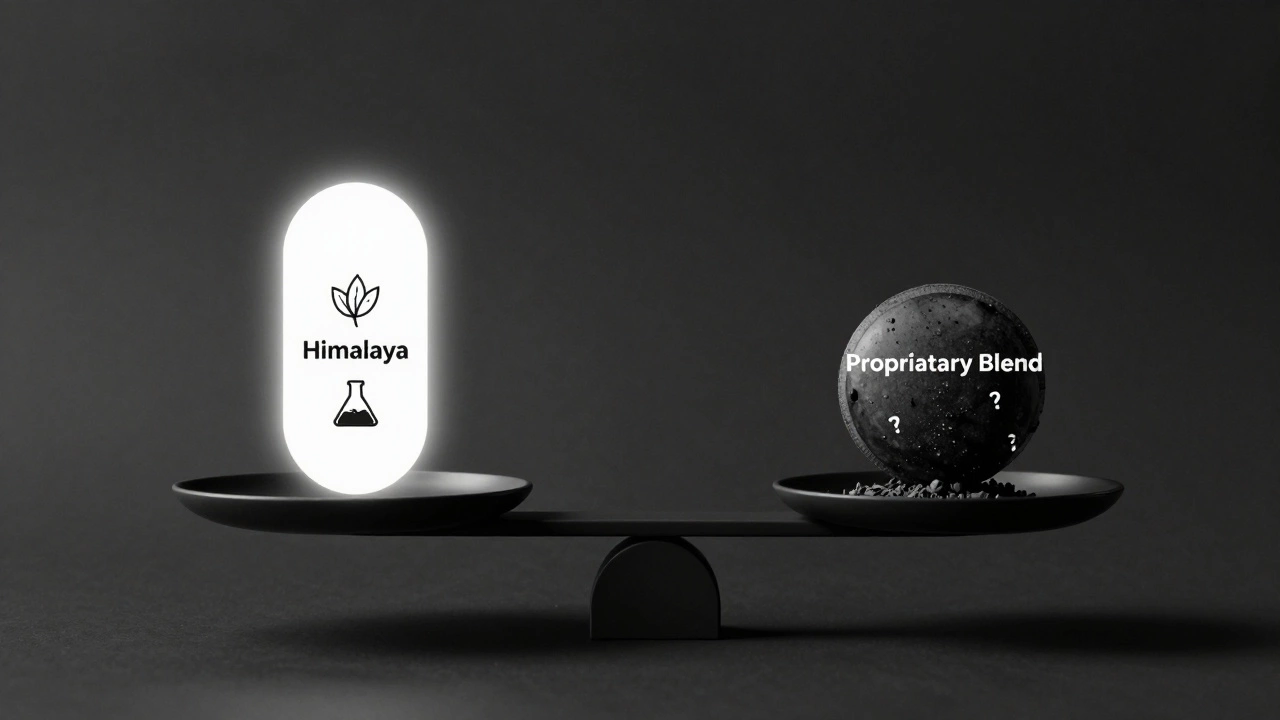
- Proprietary blends: If the label says "proprietary blend of 5 herbs totaling 500 mg," you have no idea how much of each herb you’re getting. It could be 499 mg of filler.
- Too many herbs in one pill: A supplement with 15 herbs? That’s not Ayurveda-that’s a kitchen sink. Focus on one or two herbs with proven effects.
- No expiration date: Herbs lose potency. If the bottle doesn’t have a batch number or expiry, it’s probably old stock.
- "Miracle cure" claims: If a company says their herb cures cancer, diabetes, or Alzheimer’s, they’re not trustworthy. Herbs support health-they don’t replace medicine.
How to choose for your needs
Not everyone needs the same thing. Here’s how to pick:
- For stress and sleep: Ashwagandha (from Gaia, Himalaya, or Organic India)
- For inflammation: Turmeric with black pepper (Himalaya or Banyan)
- For digestion: Triphala (Banyan or Organic India)
- For immunity: Echinacea or tulsi (Nature’s Way or Organic India)
- For liver support: Milk thistle (Himalaya or Gaia)
Start with one herb. Give it 4-6 weeks. Track how you feel. Don’t stack five supplements at once.
Final thought
The best herbal company isn’t the one with the biggest ad budget. It’s the one that puts the herb first-not the profit. Look for transparency. Demand testing. Choose purity over hype. Whether you’re in Bangalore, Berlin, or Boston, the same standards apply.
Trust the brands that let you see the lab reports. The ones that name their farms. The ones that don’t promise miracles-just better health.
Are herbal supplements safe?
Yes, when they’re made by reputable companies that test for purity and potency. But herbal supplements aren’t risk-free. Some can interact with medications-like blood thinners, diabetes drugs, or antidepressants. Always talk to your doctor before starting a new herb, especially if you’re on prescription meds or pregnant.
Do herbal supplements work as well as pills?
It depends on the herb and the condition. For example, ashwagandha has been shown in clinical trials to reduce cortisol levels as effectively as some anti-anxiety medications. Turmeric curcumin reduces inflammation similarly to ibuprofen in some studies. But herbs work more slowly and gently. They support your body’s natural balance rather than force a quick fix. If you expect instant results like a painkiller, you’ll be disappointed.
Can I trust Indian herbal brands?
Absolutely. Brands like Himalaya and Organic India are GMP-certified, source herbs locally, and follow strict quality controls. Many Indian companies have better oversight than some Western brands that import herbs without knowing their origin. The key is to look for certifications-like USDA Organic, EU Organic, or Ayush certification-and verify lab reports.
Why are some herbal supplements so cheap?
Cheap herbs often mean low-quality ingredients. A bottle of turmeric for ₹199 probably contains mostly rice flour or cheap root powder with little curcumin. The active compounds are expensive to extract. If the price seems too good to be true, it usually is. Paying more often means you’re getting real, tested herb-not filler.
How long does it take for herbal supplements to work?
Most herbs take 2-8 weeks to show noticeable effects. Unlike synthetic drugs that act fast, herbs work by gently supporting your body’s systems. Ashwagandha for stress? You might feel calmer after 3 weeks. Turmeric for joint pain? It can take 6 weeks. Patience matters. Don’t quit after a few days.

Write a comment