Diet Health Score Calculator
Based on WHO criteria for healthy eating, enter your daily intake of key nutrients. See how your habits compare to the global average and learn how to improve.
Your Diet Health Score
How Your Habits Compare
What This Means
Your diet has risk of diet-related health issues. This compares to the global average where 3,400mg sodium is the norm.
Small Changes That Make a Big Difference
- Replace 1 sugary drink with water → saves 100+ calories
- Swap white bread for whole grain → adds 4g fiber
- Start with 1 vegetable serving → improves digestion & energy
- Choose fresh fruit over candy → reduces empty calories
When you think of unhealthy eating, you might picture fast food burgers or sugary sodas. But the real story behind the world’s unhealthiest diet isn’t just about convenience-it’s about systemic shifts in food systems, cultural changes, and policy failures. And one country stands out not because it eats the most, but because it eats the worst.
The Country with the Worst Diet: The United States
The United States has the unhealthiest diet in the world, according to data from the Global Burden of Disease Study 2023. It’s not because Americans eat more calories than everyone else-it’s because of what they eat. A typical American diet is dominated by ultra-processed foods, added sugars, refined grains, and unhealthy fats. Over 60% of daily calories come from these foods, compared to under 20% in countries like Japan or Italy.
Here’s what that looks like in real life: a breakfast of sugary cereal and syrupy coffee, a lunch of frozen pizza or a sandwich loaded with processed meats, and dinner with fried chicken, white rice, and a side of soda. Snacks? Chips, cookies, candy bars. It’s not about occasional treats-it’s about daily, habitual consumption.
The consequences are brutal. The U.S. leads the world in diet-related deaths. More than 700,000 Americans die each year from conditions tied to poor nutrition: heart disease, type 2 diabetes, stroke, and certain cancers. That’s more than the number of deaths from car accidents, gun violence, and drug overdoses combined. And it’s not just about obesity. Even people who aren’t overweight are at risk when their diet is full of empty calories and missing fiber, vitamins, and healthy fats.
What Makes a Diet ‘Unhealthy’?
It’s not just calories. The World Health Organization defines an unhealthy diet by five key factors:
- High intake of sodium (salt)
- High intake of added sugars
- Low intake of whole grains
- Low intake of fruits and vegetables
- High intake of processed meats and trans fats
The U.S. scores worst on all five. The average American eats 3,400 milligrams of sodium a day-double the WHO’s recommended limit. Sugar? Around 17 teaspoons per day. That’s 270 calories from sugar alone, just from drinks and snacks. Meanwhile, only 1 in 10 Americans eats enough vegetables. Less than 5% get the daily recommended amount of fiber.
Compare that to Japan, where the average person eats less than half the sodium, more than triple the amount of fish and seaweed, and gets most of their carbs from brown rice and fermented foods. Or to Ethiopia, where 80% of calories come from whole grains, legumes, and vegetables, and processed food is nearly nonexistent.
Why the U.S. Leads in Poor Nutrition
It’s not laziness or lack of willpower. It’s the system.
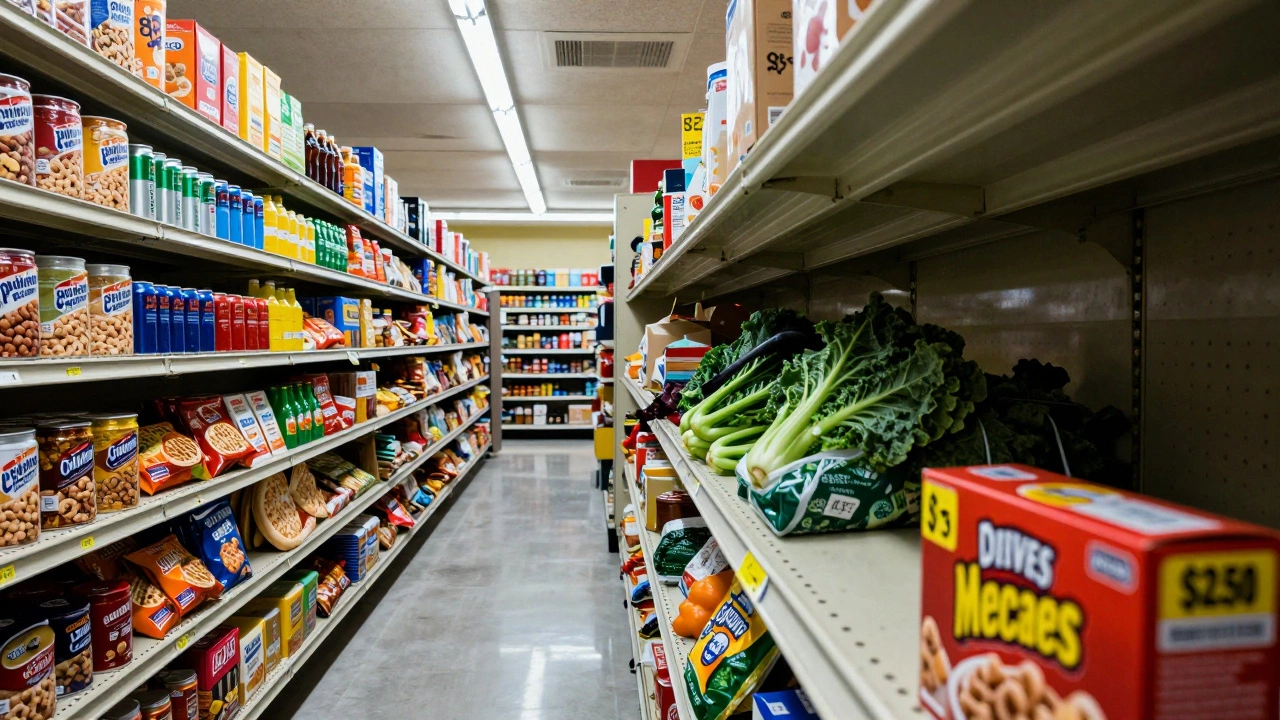
Subsidies in the U.S. government favor corn, soy, and wheat-ingredients used in cheap, shelf-stable processed foods. A soda costs less than a bottle of water. A bag of chips is cheaper than an apple. Fast food chains are everywhere, and they’re designed to be addictive. Marketing targets kids, low-income neighborhoods, and even hospitals.
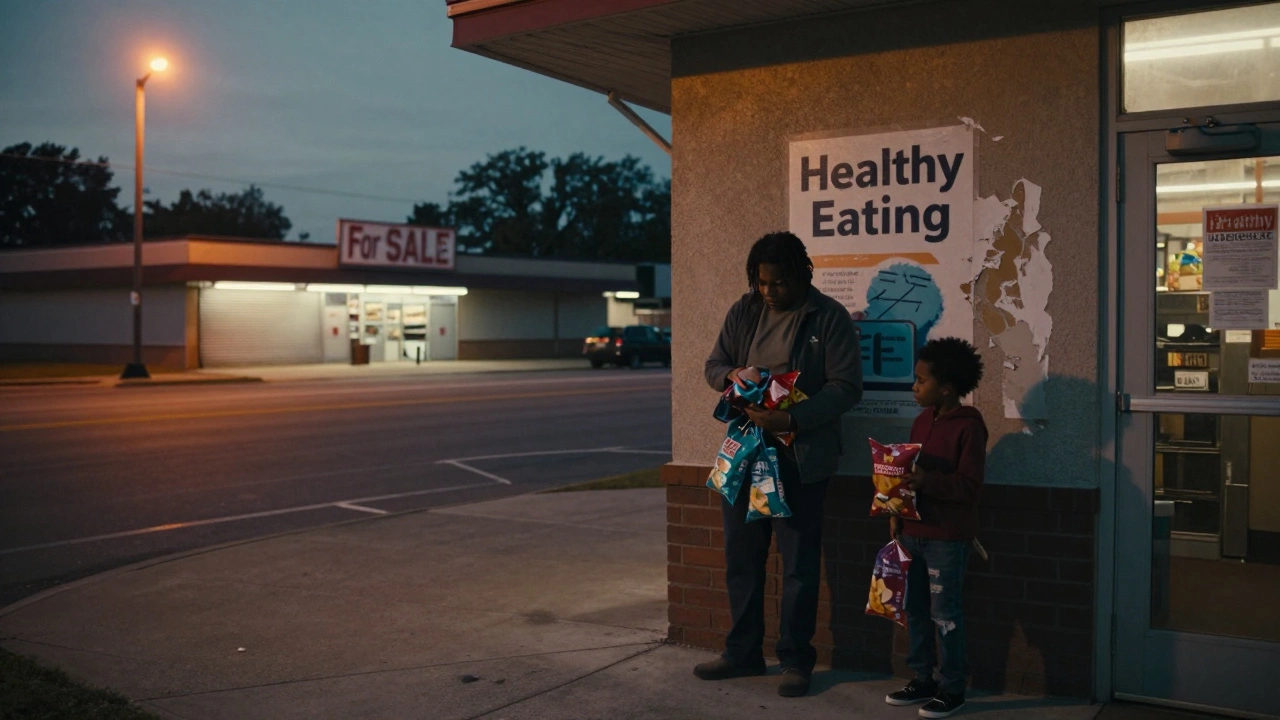
Food deserts-areas where fresh food is hard to find-are common in rural towns and inner cities. In places like Detroit or rural Mississippi, the nearest grocery store might be 20 miles away. But convenience stores? They’re on every corner, selling the same sugary snacks and salty meats.
Even when people want to eat better, the system doesn’t help. A bag of organic kale costs $5. A box of sugary cereal? $2.50. Healthier options are priced like luxuries. And time? Most working families don’t have hours to cook from scratch. Processed food isn’t just convenient-it’s the only option many can afford.
Global Comparisons: Who’s Next?
The U.S. is the worst, but it’s not alone. Mexico ranks second in diet-related deaths, with sugary drinks being the biggest culprit. Over 90% of Mexicans drink soda daily, and the country has the highest rate of childhood obesity in Latin America.
Canada and Australia follow close behind, with similar patterns: high processed food intake, low vegetable consumption, and rising rates of type 2 diabetes. Even in countries with strong public health systems, like the UK, the diet is deteriorating. A 2025 study found that over half of British children are consuming more sugar than WHO guidelines allow by age 5.
On the other end of the spectrum: countries like South Korea, Israel, and Sweden have made serious policy changes. South Korea now taxes sugary drinks and requires clear nutrition labels. Israel bans junk food ads during children’s TV. Sweden subsidizes fruits and vegetables. These aren’t radical ideas-they’re common sense.
How This Connects to Medical Tourism
If you’re considering medical tourism for weight loss, diabetes reversal, or heart surgery, the root cause of your condition might not be genetics-it’s your diet. Many people travel abroad for bariatric surgery or metabolic treatments because they’ve tried everything at home and still can’t change their eating habits.
But here’s the truth: surgery doesn’t fix a broken food environment. If you go to Thailand for gastric bypass and return to a life of processed snacks and soda, the weight will come back. The same goes for diabetes reversal programs in India or heart rehab in Germany. Without changing the daily food choices, the results won’t last.
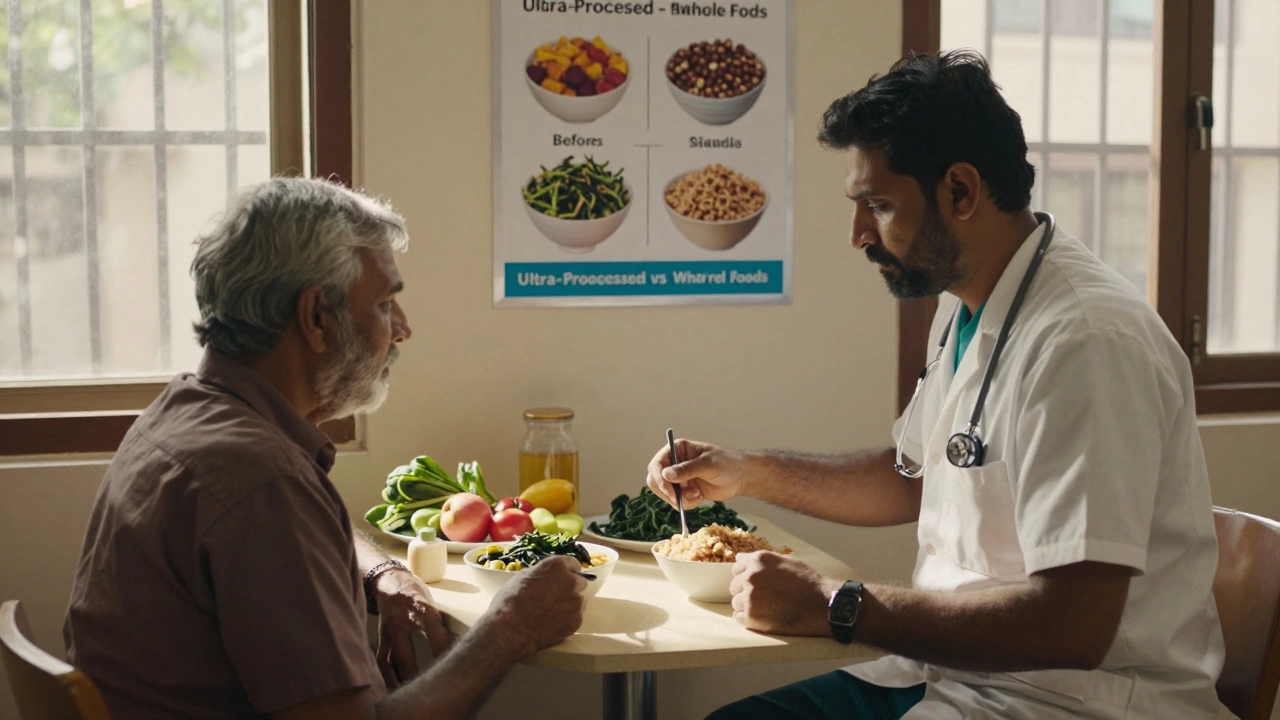
That’s why the most effective medical tourism programs now include nutrition coaching as part of their package. In cities like Bangalore, Pune, and Delhi, clinics are partnering with dietitians who teach patients how to eat real food-even in a world built around junk. They don’t just tell you to eat less. They teach you how to shop, cook, and survive in a food system stacked against you.
What Can Be Done?
Change doesn’t come from willpower. It comes from policy.
- Remove subsidies for corn syrup and soybean oil
- Tax sugary drinks and use the money to lower prices on fruits and vegetables
- Require warning labels on ultra-processed foods, like cigarette packs
- Make school meals real food, not factory-made meals
- Expand SNAP benefits to cover only whole, unprocessed foods
Some cities are already doing this. Berkeley, California, was the first U.S. city to tax soda in 2014. Since then, soda sales have dropped 21%. Sales of bottled water and milk went up. That’s not magic-it’s economics.
On a personal level, you don’t need to go organic or perfect. Start with one swap: replace soda with sparkling water. Swap white bread for whole grain. Add one vegetable to your dinner. Small steps, repeated, change the pattern.
The Real Cost of a Bad Diet
It’s not just about your waistline. It’s about your life expectancy, your energy, your ability to care for your kids, your chance to retire without a wheelchair. The unhealthiest diet in the world isn’t a choice-it’s a trap. And the people who fall into it aren’t failing. The system is.
If you’re reading this because you or someone you love is struggling with weight, diabetes, or heart disease, know this: you’re not alone. And you’re not lazy. The problem isn’t you. It’s the food around you.
The good news? Change is possible. Not tomorrow, not next year-but one meal at a time.
Is the U.S. really the country with the unhealthiest diet?
Yes, according to the Global Burden of Disease Study 2023, the U.S. has the highest rate of diet-related deaths globally. This is based on data from over 190 countries, measuring sodium, sugar, fruit, vegetable, and whole grain intake. While countries like Mexico and Canada are close behind, the U.S. consistently scores worst across all five key indicators of an unhealthy diet.
Why don’t people just eat healthier if it’s so bad?
Because healthy food is often more expensive, harder to find, and less convenient. A bag of chips costs less than an apple in most U.S. grocery stores. Fast food is everywhere, while fresh produce is scarce in low-income neighborhoods. Time, money, and access make healthy choices difficult-even for people who want to make them.
Can medical tourism fix diet-related diseases?
Surgery or treatment alone won’t fix a broken diet. Procedures like gastric bypass or diabetes reversal programs can help, but without lasting changes to food habits, results fade. The most successful medical tourism programs now include nutrition education, cooking classes, and lifestyle coaching to help patients rebuild their relationship with food after treatment.
What foods are the most harmful?
The most harmful foods are ultra-processed items: sugary drinks, packaged snacks, frozen meals, processed meats like hot dogs and deli slices, and anything with high-fructose corn syrup, trans fats, or more than five ingredients you can’t pronounce. These foods are designed to be addictive, cheap, and shelf-stable-not nutritious.
Are there any countries improving their diets?
Yes. South Korea, Israel, and Sweden have seen major improvements by taxing sugary drinks, banning junk food ads to kids, and subsidizing fruits and vegetables. Mexico’s soda tax led to a 12% drop in sales within two years. These aren’t perfect fixes, but they prove policy changes can shift behavior faster than individual effort alone.

Write a comment