
Introduction
No, there's no such thing as stage 5 cancer. If you've heard this term, you're not alone. Many people confuse cancer staging a system used by doctors to describe how far cancer has spread, especially when dealing with a diagnosis. Let's clear up the confusion.
How Cancer Staging Works
Cancer staging helps doctors understand how advanced the disease is and plan treatment. The most common system uses stages 0 through 4. Each stage describes the size of the tumor, whether it has spread to lymph nodes, and if it has metastasized to other organs.
For example, stage 0 cancer means abnormal cells are present but haven't invaded nearby tissue. This is often called "carcinoma in situ" and is highly treatable. Stage 1 cancer is small and hasn't spread beyond the original site. Stage 2 and 3 indicate larger tumors that may have spread to nearby lymph nodes. Stage 4 means the cancer has spread to distant organs, also known as metastatic cancer.
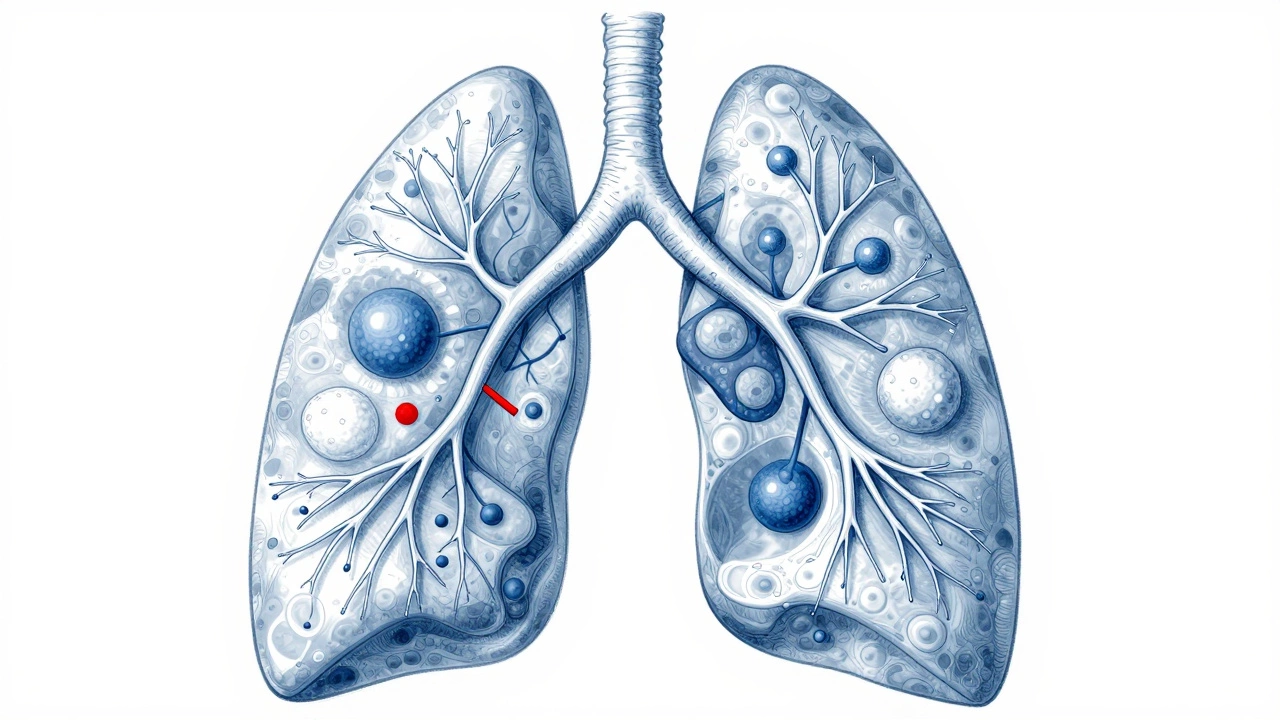
The TNM Staging System
Most solid tumors use the TNM system to assign stages. TNM stands for Tumor, Node, Metastasis. Here's what each part means:
- T describes the size and extent of the primary tumor. For example, T1 means a small tumor, while T4 means a large tumor that has invaded nearby structures.
- N indicates lymph node involvement. N0 means no spread to lymph nodes, N1-N3 means increasing spread.
- M shows metastasis. M0 means no distant spread, M1 means cancer has spread to other organs.
Doctors combine these letters to determine the stage. For instance, a T2 N1 M0 cancer would be stage 2 or 3 depending on the specific cancer type. The TNM system provides a detailed picture of the cancer's progression.
Why There's No Stage 5
Some people think stage 5 exists because they hear about cancer spreading further. But the staging system stops at stage 4 for a reason. Once cancer has metastasized (spread to distant organs), it's classified as stage 4 regardless of how widespread it is. There's no higher stage because the focus shifts from curing the cancer to managing it and improving quality of life.
Another common misconception is confusing recurrence with a higher stage. When cancer returns after treatment, it's called recurrent cancer. This isn't a new stage but a return of the original cancer. For example, if someone had stage 2 breast cancer that returns after treatment, it's still classified based on the original stage or re-staged, but never stage 5.

What Happens After Stage 4
Stage 4 cancer means the disease has spread to distant sites. Treatment goals change from curing to controlling the cancer and managing symptoms. Options include chemotherapy, radiation, targeted therapy, immunotherapy, and palliative care.
Palliative care is crucial at this stage. It focuses on relieving pain and other symptoms, improving quality of life, and supporting emotional well-being. Many people with stage 4 cancer live for years with proper treatment. For example, advancements in targeted therapy for lung cancer have significantly extended survival for some patients.
Clinical trials also offer hope. New treatments are constantly being tested, and participation can provide access to cutting-edge therapies. Always discuss all options with your healthcare team.
Frequently Asked Questions
Is stage 4 cancer always terminal?
No. While stage 4 cancer is serious, it's not always terminal. Many people live for years with stage 4 cancer, especially with newer treatments. For example, some types of breast cancer or prostate cancer can be managed long-term with hormone therapy or targeted drugs. Survival rates vary widely based on the cancer type and individual factors.
Can stage 4 cancer be cured?
It depends on the cancer type. Some cancers like testicular cancer or certain lymphomas can be cured even at stage 4. For others, like pancreatic cancer, a cure is rare but treatments can still extend life significantly. Always consult with your oncologist about your specific situation.
Does stage 4 mean no hope?
Absolutely not. Treatment options continue to improve. Clinical trials and new therapies offer hope for many patients. Palliative care also helps manage symptoms and improve quality of life. Many people with stage 4 cancer lead fulfilling lives with proper support and treatment.
Why do people say there's a stage 5 cancer?
This usually comes from misinformation or confusion. Sometimes people mistake recurrent cancer or a more aggressive form as stage 5. Other times, it's a misunderstanding of how staging works. The standard system only goes up to stage 4, as established by organizations like the American Cancer Society and National Cancer Institute.
How is recurrent cancer staged?
Recurrent cancer isn't assigned a new stage like stage 5. Instead, doctors may re-stage the cancer based on its current spread. For example, if a stage 1 cancer returns after treatment, it might be classified as stage 4 if it's spread to distant organs. The key is that the staging system doesn't have a stage 5-it's always based on the TNM system's criteria.
What's the difference between metastasis and stage 4?
Metastasis is the process where cancer spreads to distant sites. Stage 4 cancer is defined by the presence of metastasis. So all stage 4 cancers have metastasized, but not all metastatic cancers are stage 4-some cancers use different staging systems. For example, leukemia doesn't use stages 0-4 but has its own classification.

Write a comment