
Neuropathy Treatment Option Finder
Use this tool to explore medication categories discussed in the article based on your priorities like budget, sleep needs, and relief speed.
My Priorities & Symptoms
The Hard Truth About 'Strongest' Nerve Pain Meds
People searching for the strongest drug for nerve pain usually want one thing: immediate relief. But here is the reality you won't find on social media. There is no single magic pill that works better than everything else for everyone. Your body handles pain differently depending on where it comes from. A doctor treating sciatica will give you a different prescription than someone managing diabetic neuropathy.
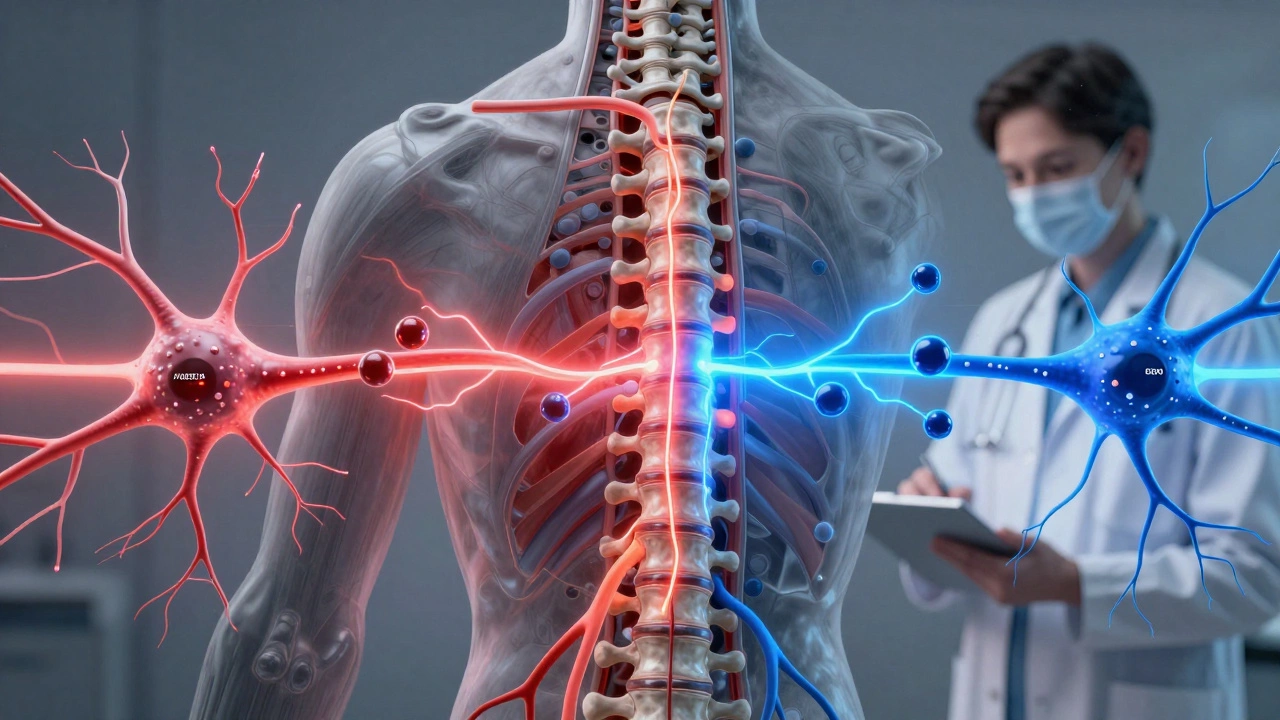
Nerve Pain is a sharp, burning sensation caused by damage to the nervous system rather than tissue injury. Unlike regular pain, standard painkillers like ibuprofen often fail here. This happens because the nerves misfire signals to your brain. You need medication that targets the nerve itself, not just the inflammation around it.
Why Standard Painkillers Miss the Mark
You might try taking aspirin or acetaminophen when your legs tingle or burn, right? It usually does nothing. That is because these drugs target prostaglandins, chemicals involved in inflammatory pain. Neuropathic Pain involves faulty electrical signaling along damaged nerves, which requires stabilizing the nerve membrane instead of reducing swelling.
If you ignore this distinction, you waste time and money. Understanding the mechanism helps you ask for the right help at your next appointment. Doctors classify these treatments by how they calm the nerve firing, which brings us to the heavy hitters.
First-Line Heavyweights: Anticonvulsants
Many people are surprised that seizure medications help with pain. These drugs slow down excessive nerve transmission. Two stand out significantly in clinical practice today.
Pregabalin is widely considered one of the most potent oral options for moderate to severe nerve pain. Studies consistently rank Lyrica higher than older counterparts in speed of onset. It binds to calcium channels in the spinal cord, stopping pain signals before they reach the brain. Many patients report feeling relief within hours of the first dose.
Gabapentin is another major player. While slightly less bioavailable than Pregabalin, it remains a top choice for long-term management. Doctors often start patients on this because the cost is lower and side effects can be managed easily.
Comparing Effectiveness
| Medication | Typical Dosage Range | Primary Benefit | Common Side Effects |
|---|---|---|---|
| Pregabalin | 75mg to 300mg daily | Faster absorption, steady levels | Dizziness, weight gain |
| Gabapentin | 300mg to 1200mg daily | Cost-effective, familiar to doctors | Tiredness, coordination issues |
Both require careful tapering. You cannot just stop them abruptly. Withdrawal symptoms can be intense, mimicking the original anxiety or pain. Always consult your physician before adjusting doses.
Antidepressants as Pain Modulators
This sounds counterintuitive. If you are not depressed, why take antidepressants? For nerve pain, the chemistry works differently. These medications increase serotonin and norepinephrine, which boosts the body's natural pain inhibition pathways.
Duloxetine falls into the SNRI category. Clinical guidelines frequently recommend it for chronic low back pain with nerve involvement. It helps both the physical sensation and the mood often linked to chronic pain.
Older tricyclic antidepressants also work well.Amitriptyline remains a standard option for smaller nerves. It is often prescribed at bedtime because it causes drowsiness, which helps if sleep loss is worsening your pain sensitivity.
When to Expect Results
Unlike anticonvulsants, these drugs might take weeks to build full effect. You do not get instant relief. You have to tolerate a few days of adjustment nausea before the benefits kick in. This requires patience, but many find it worth it for the sustained relief over months.
Topical Solutions Without Systemic Side Effects
If swallowing pills makes you nauseous, topical treatments offer a localized approach. They treat the specific area without flooding your whole bloodstream.
Lidocaine Patches act as a local anesthetic. You stick them directly onto the painful skin patch. They numb the area temporarily but safely. Research shows they reduce burning sensations effectively in postherpetic neuralgia without sedating the rest of your body.
Capsaicin comes from chili peppers. High-concentration versions available by prescription deplete substance P, a neurotransmitter that carries pain signals. The initial application stings badly, but desensitization follows.
These options are fantastic for elderly patients who might struggle with multiple daily pills. You avoid liver strain and kidney processing entirely.
Are Opioids Still Used?
We need to address the elephant in the room. Oxycodone and Morphine work strongly on the central nervous system. Technically, they are some of the strongest drugs regarding raw pain suppression power.
However, guidelines in 2026 advise against them for chronic nerve pain. Tolerance builds fast, meaning you need more to get the same result. Dependency risks overshadow the benefits. They are reserved for cancer pain or end-of-life care. Occasionally, doctors try low-dose tramadol for short bursts of severe flare-ups, but never as a baseline solution.
Relying on opioids for nerve pain often leads to a cycle where the drug stops working, and the pain feels worse due to hyperalgesia. Save them for acute injuries where inflammation is the main driver.

New Therapies for Stubborn Cases
Sometimes pills alone fail. Medical science has moved beyond just masking symptoms. We look at modulating the spine's signal processing.
Ketamine infusions represent an emerging frontier. Anesthesiologists administer them intravenously to reset pain receptors. The results can be profound for resistant cluster headaches or severe radiculopathy. However, availability varies heavily by region.
Spinal Cord Stimulation offers another route. Small electrodes deliver mild electrical pulses to the spinal column. This tricks the brain into perceiving tingling instead of pain. It is invasive surgery, but life-changing for those who exhaust pharmaceutical options.
Managing Side Effects and Lifestyle
No drug is free of consequences. Weight gain is common with gabapentinoids. Sedation can affect driving safety.
- Monitor your weight weekly if starting these meds.
- Do not operate heavy machinery until you know how you react.
- Report any new suicidal thoughts to your provider immediately with antidepressants.
Lifestyle choices play a massive role too. Blood sugar control is non-negotiable for diabetic nerve pain. If glucose spikes constantly, no drug will hold the pain permanently. Fix the root cause alongside symptom management.
Next Steps for Your Doctor Visit
Preparation gets you the right prescription faster. Bring a symptom diary detailing when the pain hits hardest. Mention what you have already tried. Ask specifically about combining therapies, like mixing a topical lidocaine patch with a small dose of duloxetine.
Your safety matters most. Never mix alcohol with pain meds. Avoid grapefruit juice if taking certain antidepressants as it alters metabolism. Treat your healthcare plan as a partnership where you monitor outcomes together.
Is gabapentin stronger than pregabalin?
Generally, yes. Pregabalin has much higher bioavailability, meaning more of the drug actually enters your system compared to gabapentin. Studies suggest it often provides relief at lower milligram doses, though individual response varies significantly.
Can I stop nerve pain meds cold turkey?
Absolutely not. Abruptly stopping medications like pregabalin or duloxetine can cause severe withdrawal symptoms including seizures, anxiety rebound, and intense pain return. Always taper slowly under medical supervision.
Do these drugs cause addiction?
Most nerve pain meds have low abuse potential, unlike traditional narcotics. However, dependence can develop physically. Gabapentin and pregabulin should not be stopped suddenly due to withdrawal risks, even if they are not "addictive" in the classic sense.
How long does it take for nerve meds to work?
Anticonvulsants like gabapentin may work in days, whereas antidepressants like duloxetine can take 2 to 4 weeks to reach peak effectiveness. Patience during the titration phase is key to finding success.
Which topical cream is best for burning feet?
Capsaicin creams work well for desensitizing burned nerves over time. Lidocaine patches provide faster, temporary numbing. For feet specifically, capsaicin is often preferred for chronic burning sensations.

Write a comment