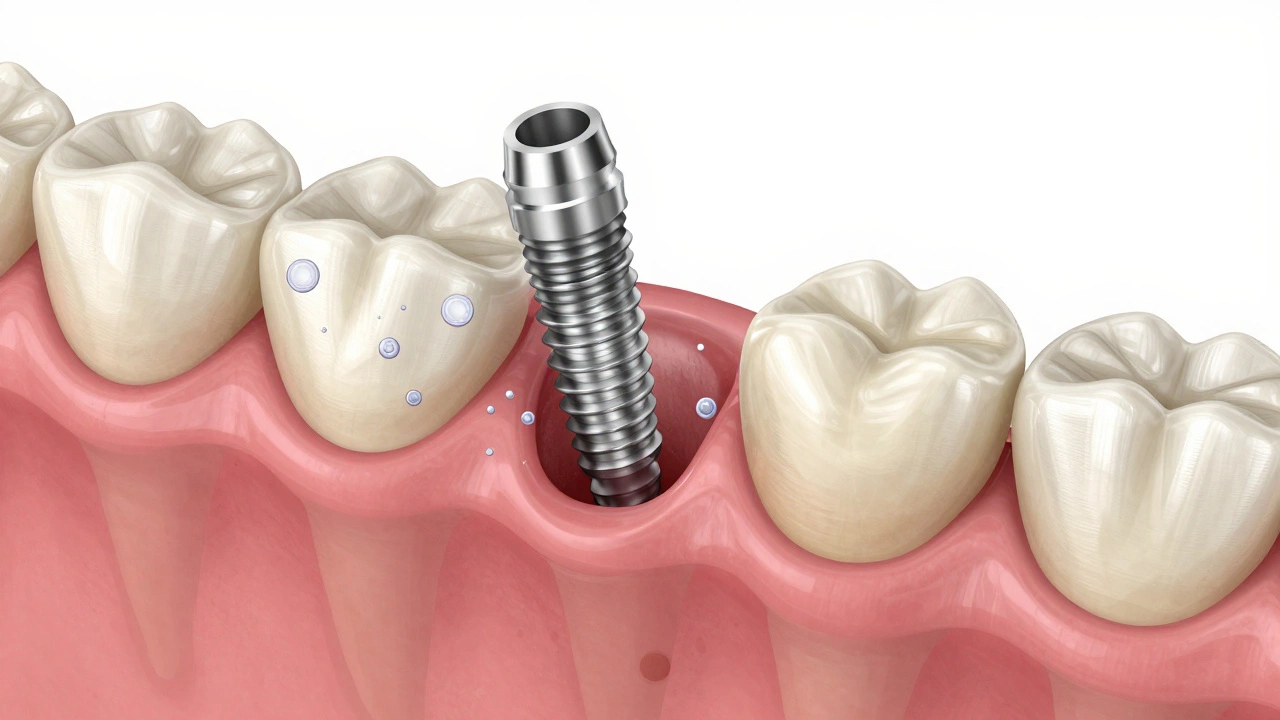
Dental Implant Healing Timeline Estimator
Your Situation
Estimated Results
Total Estimated Time
Healing Stages Overview
Stage 1: Initial Healing
Weeks 1-2
Soft tissue healing, swelling reduction, and initial protection of the surgical site.
Stage 2: Osseointegration
Months 1-6
Bone cells grow around the titanium implant, creating a strong biological bond.
Stage 3: Abutment Placement
Weeks 1-2 after integration
The connector piece is attached, and gums heal around its shape.
Stage 4: Final Crown
Final Appointment
Custom crown is crafted and placed, completing the restoration.
You sit in the dentist’s chair, the procedure is done, and you’re handed a mirror. The titanium post looks secure, but it feels foreign. You want that missing tooth back now. But here is the hard truth: your body doesn’t work on your schedule. Dental implants are titanium posts surgically placed into the jawbone to serve as artificial tooth roots. Unlike a bridge or denture, they don’t just snap into place. They need to fuse with your living bone. This biological process is called osseointegration, and it takes time.
If you are wondering exactly how long this journey lasts, the short answer is usually between three and six months for the initial healing phase. However, getting from the empty socket to the final crown can take anywhere from four to nine months, depending on your bone health and whether you needed extra procedures like grafting. Let’s break down what actually happens inside your mouth during those weeks.
The Biology of Healing: What Is Osseointegration?
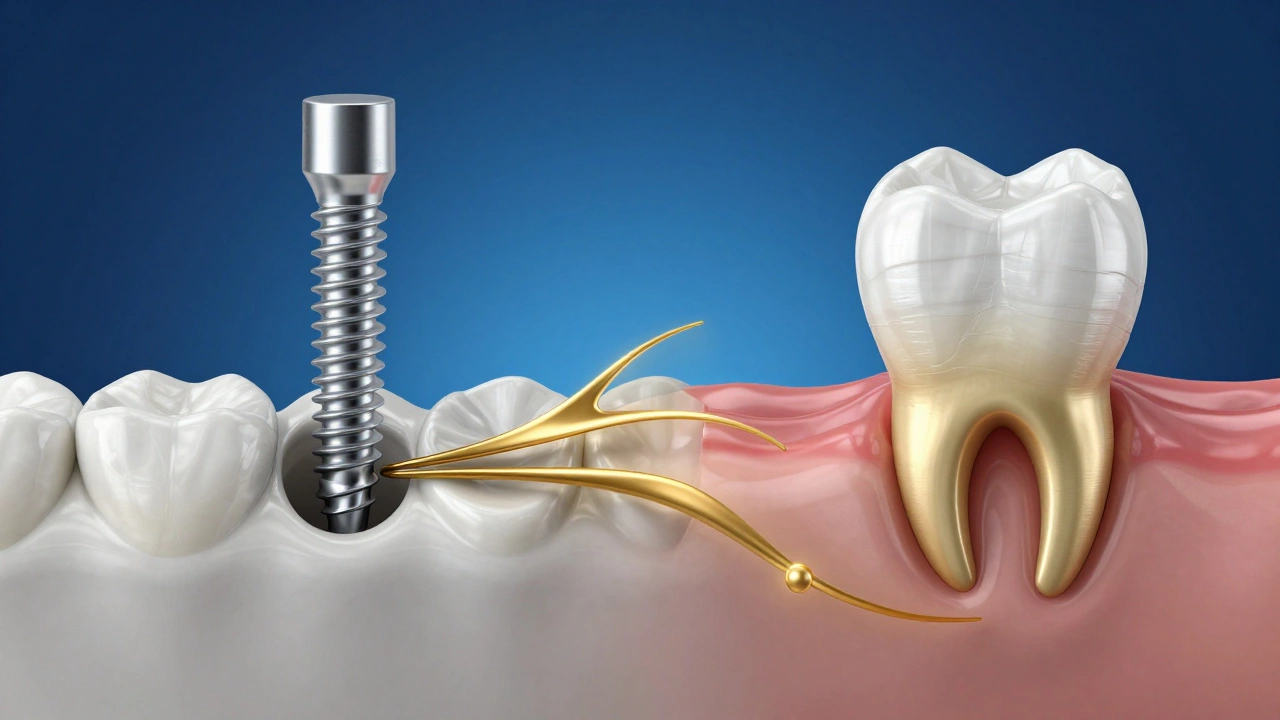
To understand the timeline, you first need to understand the mechanism. When your dentist places the titanium implant is a biocompatible metal screw that mimics the root of a natural tooth, your body treats it like a new structure. Bone cells, specifically osteoblasts, begin to grow around the textured surface of the titanium. Over time, these cells bond directly to the metal, locking it in place without any glue or cement.
This isn’t just about stability; it’s about preservation. Natural teeth stimulate the jawbone through chewing forces. Without a tooth, the bone shrinks-a process known as resorption. An implant prevents this by acting as a surrogate root. If the bone doesn’t fully integrate, the implant will fail and loosen. That’s why rushing this stage is dangerous. The strength of your future smile depends entirely on the quality of this microscopic bonding process.
Stage One: The First Two Weeks After Surgery
The immediate aftermath is less about the implant fusing and more about soft tissue healing. For the first 24 to 48 hours, you’ll likely experience swelling, minor bleeding, and bruising. This is normal inflammation. Your body is sending blood flow to the area to start the repair process.
During this window, your main job is protection. You should stick to soft foods like yogurt, mashed potatoes, and smoothies. Avoid hot liquids, straws, and vigorous rinsing, as suction can dislodge the blood clot forming over the surgical site. Most patients take prescribed antibiotics and painkillers for the first few days to prevent infection and manage discomfort. By day seven, the sutures (stitches) often dissolve or are removed, and the gum tissue begins to close up around the healing abutment or cover screw.
Stage Two: The Silent Fusion Period (Months 1-3)
This is the critical waiting game. Once the gums heal, you might feel fine. You can eat relatively normally, though your dentist will likely advise you to avoid chewing directly on the implant site. Underneath the surface, however, intense activity is happening. The jawbone is the dense bone structure in the upper and lower jaws that supports teeth is slowly wrapping itself around the titanium threads.
The location of the implant matters significantly here. The lower jaw (mandible) generally has denser bone and better blood supply, so osseointegration often completes in about three months. The upper jaw (maxilla), which has softer, spongier bone, typically requires four to six months to achieve the same level of stability. During this period, you won’t see visible changes, but your dentist will monitor the site to ensure no signs of infection or rejection appear.
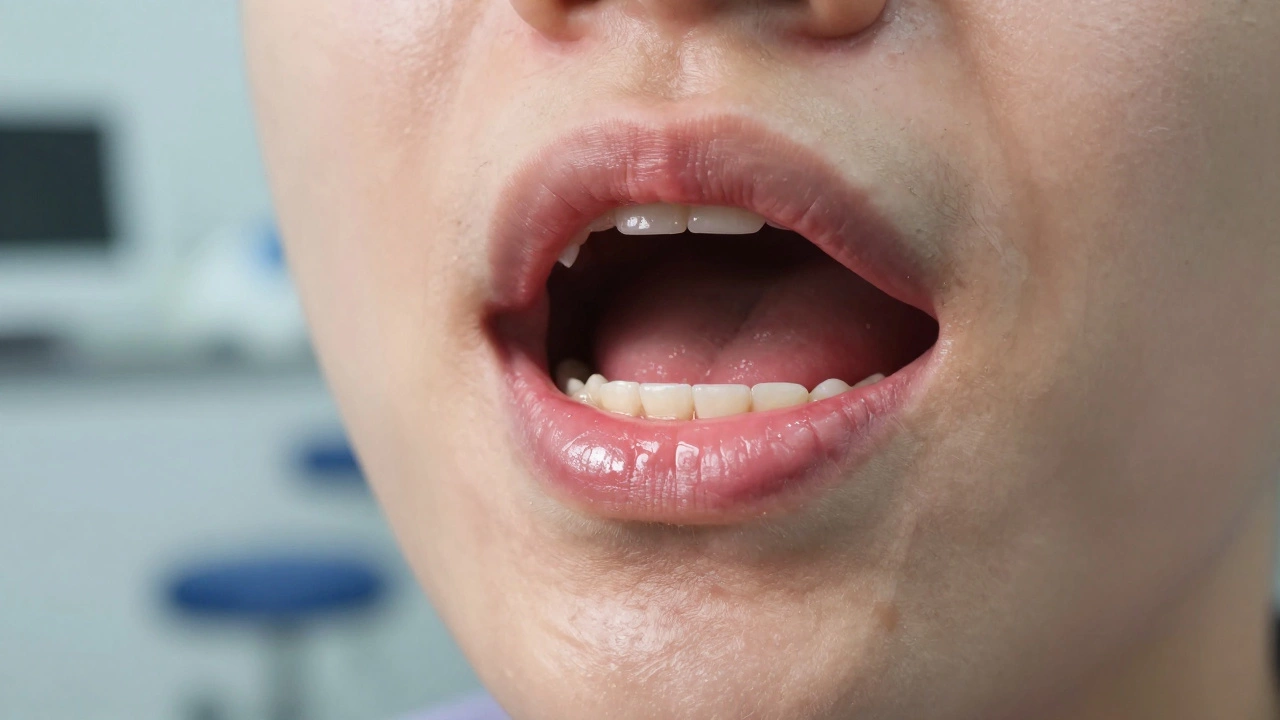
Stage Three: Attaching the Abutment and Crown
Once your dentist confirms via X-ray that the bone has successfully integrated with the implant, the next step begins. They will perform a minor procedure to expose the implant (if it was buried under the gum) and attach the abutment is the connector piece that attaches the dental crown to the implant fixture. This small metal or ceramic post acts as the foundation for your new tooth.
Your gums need another two to three weeks to heal around this new shape. Why? Because the contour of your gum tissue affects the aesthetic appearance of the final crown, especially for front teeth. Once the gums have settled into their final form, impressions are taken. These molds are sent to a dental lab where your custom porcelain crown is the visible part of the dental implant that looks and functions like a natural tooth is crafted to match your adjacent teeth in color, shape, and size.
Factors That Can Delay the Timeline
Not every patient follows the standard three-to-six-month script. Several variables can extend your healing time, sometimes significantly.
- Bone Grafting: If you lacked sufficient bone density, your surgeon may have performed a bone graft before placing the implant. This adds an additional three to nine months of healing before the implant can even be placed. In some cases, the graft and implant happen simultaneously, but the integration time still extends.
- Smoking: Nicotine constricts blood vessels, reducing oxygen flow to the healing tissues. Smokers have a significantly higher rate of implant failure and slower osseointegration. Many surgeons require patients to quit smoking for at least two weeks before and after surgery.
- Diabetes: Uncontrolled high blood sugar impairs the body’s ability to fight infection and heal wounds. Patients with diabetes often experience delayed healing and a higher risk of peri-implantitis (gum disease around the implant).
- Infection: Poor oral hygiene or bacteria introduced during surgery can lead to infection. If the site becomes infected, the implant may need to be removed, allowing the area to heal completely before trying again.
Immediate Load Implants: Is Faster Possible?
You may have heard of “immediate load” or “teeth in a day” procedures. In these cases, a temporary crown is attached to the implant immediately after placement. This sounds appealing, but it is not suitable for everyone. Immediate loading requires exceptional bone density and primary stability-the implant must be screwed in tightly enough to support chewing forces right away.
Even with immediate load implants, the underlying osseointegration process still takes months. The temporary crown is strictly for aesthetics and light function. You cannot bite into an apple or chew steak until the bone has fully fused. Attempting to do so too early can cause micro-movements that disrupt the healing process, leading to fibrous encapsulation instead of bone fusion, which results in failure.
| Feature | Standard Protocol | Immediate Load |
|---|---|---|
| Healing Time Before Crown | 3-6 months | Temporary crown placed same day |
| Bone Density Requirement | Moderate to High | Very High |
| Risk of Failure | Lower (under 5%) | Slightly Higher if criteria not met |
| Aesthetic Result | Predictable gum contour | May require gum shaping later |
| Best For | Most patients, posterior teeth | Select cases, anterior teeth |
Signs of Successful vs. Problematic Healing
How do you know if things are going well? Successful healing is often quiet. You shouldn’t feel sharp pain after the first week. Mild tenderness when pressing on the gums is normal for a few weeks, but throbbing pain, pus, or persistent bad breath are red flags. Swelling that increases after the third day suggests infection.
Your dentist will check for mobility. A healthy implant should feel rock-solid. If there is any wobble, the osseointegration has likely failed. Early detection is key. If issues arise within the first few months, the implant can often be saved with treatment. If left unchecked, the bone loss becomes irreversible.
Maintaining Your Implant Long-Term
Once the crown is placed, the healing phase ends, but maintenance begins. Implants don’t get cavities, but they can suffer from peri-implantitis, a condition similar to gum disease. This occurs when plaque builds up around the implant, causing inflammation and bone loss. Brushing twice a day, flossing daily, and using interdental brushes are non-negotiable. Regular professional cleanings every six months help remove tartar that you can’t reach at home. With proper care, a dental implant can last a lifetime, making the initial wait worth the investment.
Can I eat normally while waiting for the implant to heal?
For the first few weeks, you should stick to soft foods and avoid chewing directly on the implant site. As the bone integrates over the next few months, you can gradually return to a normal diet, but always follow your dentist's specific instructions regarding force and pressure on the healing area.
Why does the upper jaw take longer to heal than the lower jaw?
The upper jawbone is less dense and has a poorer blood supply compared to the lower jawbone. Since osseointegration relies on bone cell growth and blood flow, the softer bone in the maxilla requires more time-typically four to six months-to securely fuse with the titanium implant.
What happens if my dental implant fails to integrate?
If osseointegration fails, the implant will become loose and may cause pain or infection. The dentist will need to remove the implant. The site must then heal completely, which can take several months, before a second attempt can be made, often requiring additional bone grafting.
Does smoking affect the healing time of dental implants?
Yes, significantly. Smoking reduces blood flow to the gums and jawbone, slowing down the healing process and increasing the risk of infection and implant failure. Surgeons strongly recommend quitting smoking before and after the procedure to improve outcomes.
How many visits does the entire dental implant process require?
Typically, you will need three to five visits: the initial consultation and imaging, the implant placement surgery, the abutment attachment, the impression taking, and the final crown placement. If bone grafting is needed, additional visits may be required.

Write a comment