Medicinal Herbs: Natural Remedies Used in Ayurveda and Modern Health
When you think of medicinal herbs, plants used for healing purposes based on traditional knowledge and scientific evidence. Also known as herbal medicine, they’re not just old-school fixes—they’re active ingredients in today’s health routines, from calming anxiety to fighting inflammation. In India, these herbs aren’t just supplements; they’re woven into daily life through Ayurveda, a 5,000-year-old system that treats the whole person, not just symptoms.
One of the most powerful turmeric, a bright yellow root used in cooking and medicine for its anti-inflammatory properties. Also known as haldi, it’s the backbone of many Ayurvedic remedies because its active compound, curcumin, works with black pepper and fat to reduce joint pain and swelling. Then there’s ashwagandha, an adaptogen that helps the body manage stress and balance cortisol levels. Also known as Indian ginseng, it’s why so many people turn to herbal supplements for better sleep and energy without stimulants. These aren’t random plants—they’re carefully chosen based on how they interact with your body type, or dosha, in Ayurveda. That’s why an Ayurvedic cleanse or diet doesn’t just say "eat more greens." It tells you which herbs suit your metabolism, digestion, and stress response.
What makes medicinal herbs different from pills? They work slowly, gently, and often in combination. A single herb like turmeric can’t fix everything, but paired with ginger, cinnamon, or triphala, it becomes part of a system that supports your liver, gut, and immune response. That’s why the best guides don’t just list herbs—they explain how to use them safely, what to avoid mixing, and when to skip them altogether. You’ll find posts here that break down exactly that: how to pick quality supplements, what science says about curcumin, why some food combos ruin digestion, and how herbal remedies can help with anxiety, weight, or recovery after surgery.
Whether you’re trying to reduce inflammation naturally, reset your digestion after a bad diet, or just want to know if that herbal tea actually does anything, the articles below give you real, no-fluff answers. No hype. No magic potions. Just clear info on what works, what doesn’t, and how to use medicinal herbs without risking your health.
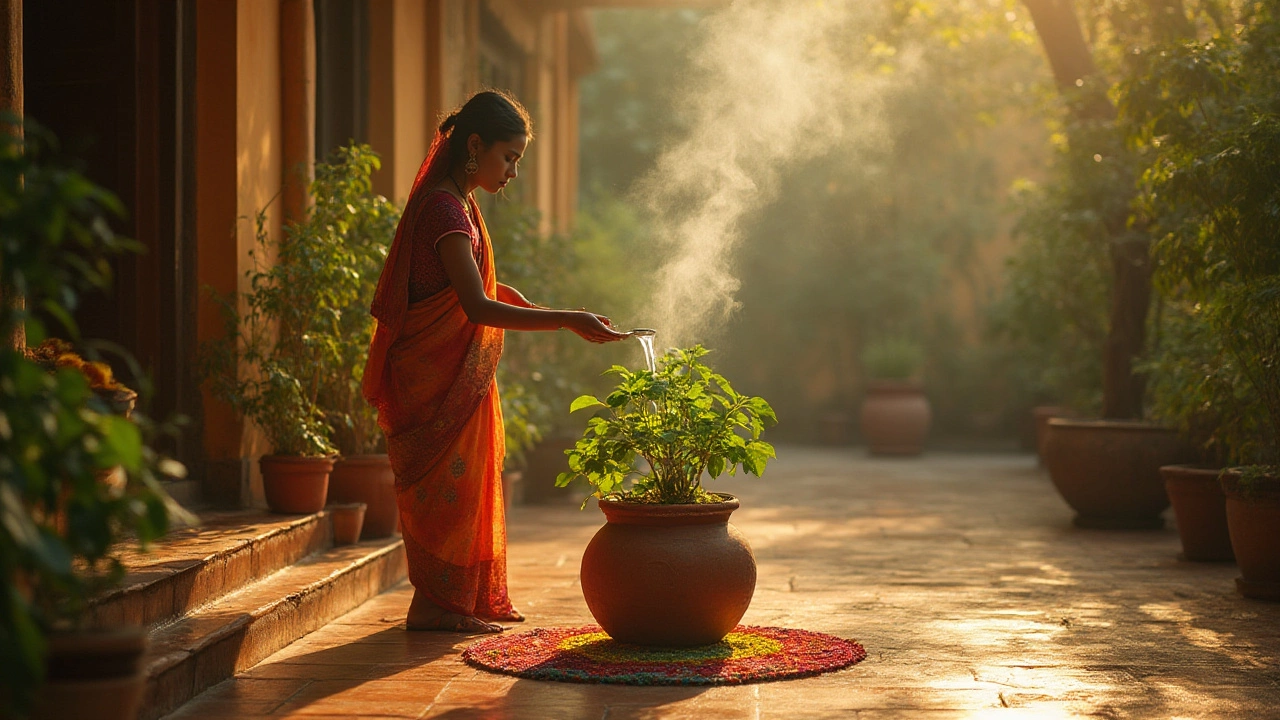
Why Holy Basil (Tulsi) is the King of All Herbs: Benefits, Facts, and Uses
Discover why holy basil, known as tulsi, is the unrivaled king of all herbs. Learn about its proven health benefits, history, and how to use it daily.
read more