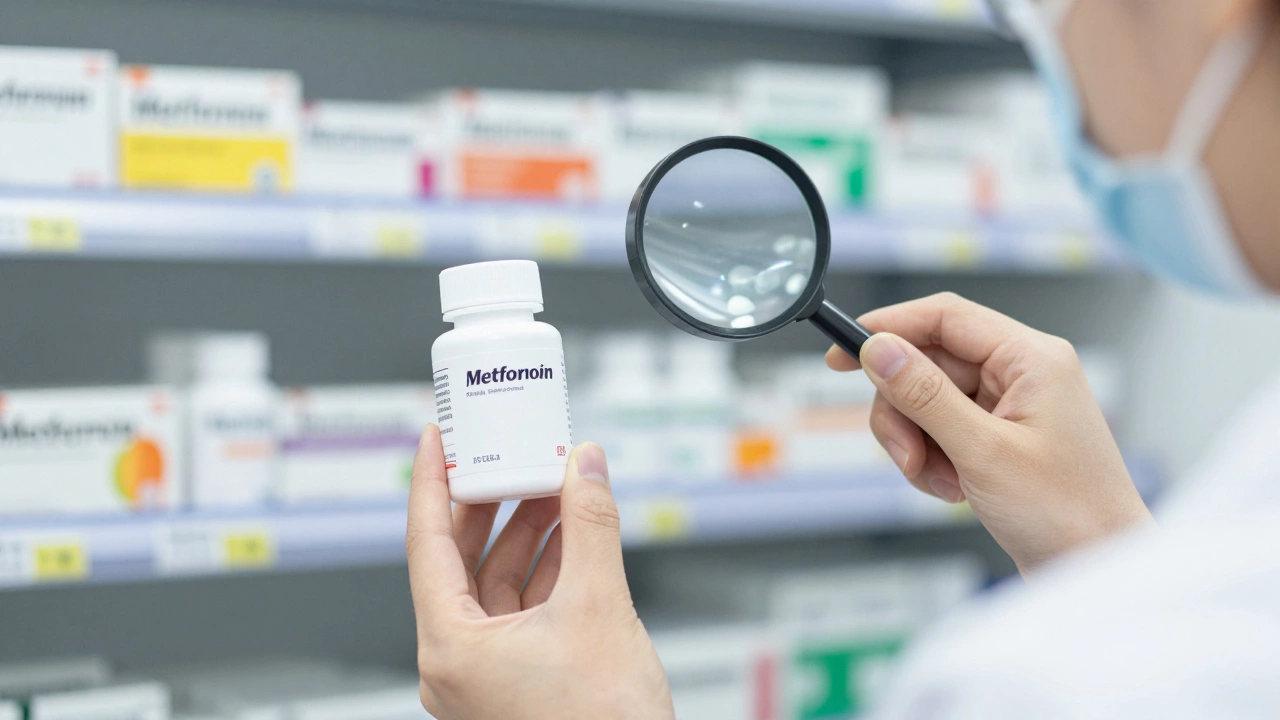
Many people have heard rumors that metformin is banned in America. If you’ve searched online, you’ve probably seen alarming headlines claiming the FDA pulled it off the market. But here’s the truth: metformin is not banned in the United States. It’s still the most prescribed diabetes medication in the country, used by over 100 million people worldwide. What actually happened was a limited recall - and it had nothing to do with the drug being dangerous for most patients.
What Actually Got Recalled?
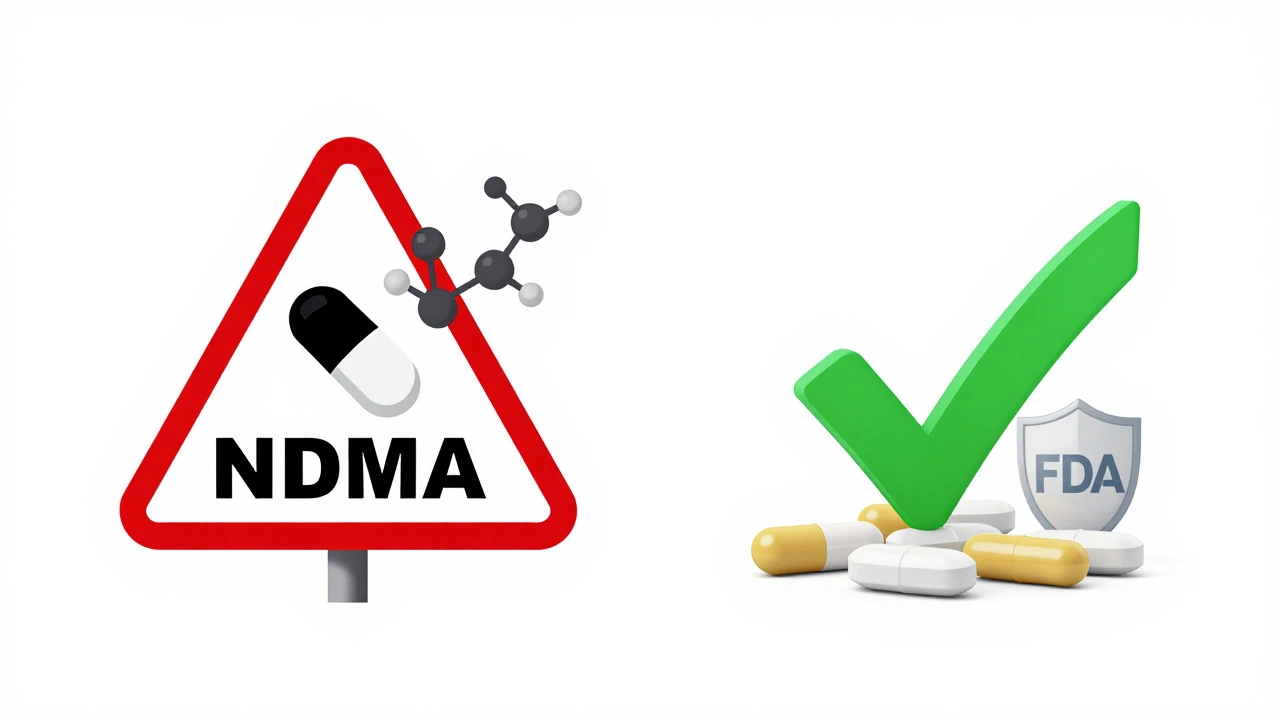
In 2020, the FDA started testing certain metformin products after detecting low levels of a chemical called NDMA - N-Nitrosodimethylamine. NDMA is a probable carcinogen, meaning it can cause cancer in high doses over long periods. The issue wasn’t with metformin itself, but with how some manufacturers produced the drug. A few companies used a specific chemical process that accidentally created trace amounts of NDMA during manufacturing.
The FDA didn’t pull all metformin. They only recalled specific lots from certain brands. For example, Teva Pharmaceuticals, Apotex, and Amneal had some extended-release tablets pulled from shelves. Immediate-release metformin - the kind most patients take - was rarely affected. If your prescription was from a major pharmacy chain like CVS, Walgreens, or a well-known generic manufacturer, your medication was almost certainly safe.
The FDA didn’t shut down production. They asked manufacturers to fix their processes and test every batch. By 2022, nearly all recalled products were back on the market with corrected manufacturing methods. Today, every metformin product sold in the U.S. must pass strict NDMA testing before it reaches pharmacies.
Why Did This Happen?
Metformin is a cheap, old drug. It’s been around since the 1950s and isn’t protected by patents. That means dozens of companies make generic versions. To keep costs low, some manufacturers cut corners in production. The NDMA issue wasn’t unique to metformin - it showed up in other common drugs like ranitidine (Zantac) and some blood pressure pills. The problem was in the chemical reaction between certain ingredients and high heat during manufacturing.
Unlike brand-name drugs, generic versions don’t go through full clinical trials. They only need to prove they’re chemically identical to the original. That’s why the FDA started testing for impurities - not because the drug was unsafe, but because manufacturing quality varied too much.
Is Metformin Safe Today?
Yes. Extremely safe - for most people. The FDA says the amount of NDMA found in recalled batches was very low. Even if someone took the highest-dosed tablets daily for years, the risk of cancer from NDMA was still smaller than the risk from smoking or eating processed meats. The real danger? Stopping metformin without a doctor’s advice.
Metformin helps lower blood sugar, reduces insulin resistance, and may even lower heart disease risk in people with type 2 diabetes. Studies show it cuts the risk of heart attacks by 30% compared to other diabetes drugs. It’s also linked to a lower risk of certain cancers, not higher. In fact, patients on metformin have lower rates of liver, colon, and breast cancer than those on other medications.
If you’re worried about your metformin, check the lot number on your bottle. You can search it on the FDA’s website or call your pharmacy. If your pills are from a major U.S. manufacturer like Mylan, Sandoz, or Teva (post-recall), you’re fine. If you’re on a foreign brand or bought it online from an unverified source, talk to your doctor.
Who Should Avoid Metformin?
Metformin isn’t for everyone. The FDA and doctors still warn against using it if you have:
- Severe kidney disease (eGFR below 30)
- Acute or unstable heart failure
- Severe liver disease
- History of lactic acidosis (a rare but serious side effect)
- Allergy to metformin
These aren’t new restrictions. They’ve been in place since the 1990s. The NDMA recall didn’t change them. What changed is that now, doctors are more likely to test kidney function before prescribing metformin - not because it’s riskier, but because we have better tools to monitor it.
What About the Global Ban Rumors?
Some countries did restrict metformin - but not because of NDMA. In 2020, India temporarily suspended some metformin imports after finding contamination in a few batches. The UK and EU never banned it. Canada had one small recall in 2020 and lifted it within months. The U.S. was the most transparent about the issue because the FDA publicly shares recall data.
What made the U.S. situation seem worse? Social media. Viral posts confused a limited recall with a total ban. One post claiming “Metformin banned in USA” got over 2 million shares. It didn’t mention that 98% of metformin remained available. People stopped taking their pills out of fear. Some ended up in the ER with dangerously high blood sugar.
What Should You Do If You’re on Metformin?
Don’t stop taking it. Don’t switch to another drug without talking to your doctor. Here’s what to do instead:
- Check your bottle for the manufacturer and lot number.
- Visit the FDA’s metformin recall page (you can search by lot number).
- If your batch was recalled, call your pharmacy. They’ll replace it for free.
- If you’re unsure, ask your doctor for a new prescription from a trusted brand.
- Never buy metformin from websites that don’t require a prescription.
Most people on metformin never even saw a recall notice. The system worked. The FDA caught the problem, fixed it, and kept the drug available. That’s not a ban. That’s responsible drug safety.
Why Metformin Still Matters
Metformin isn’t just a diabetes drug. It’s one of the most studied medications in history. Research shows it may help with weight loss, PCOS, prediabetes, and even aging. A 2023 study from the University of California found that people with type 2 diabetes who took metformin lived longer than those on other drugs - even after adjusting for age, weight, and other health factors.
It’s affordable. Most generic versions cost less than $5 a month. It doesn’t cause weight gain. It doesn’t cause low blood sugar unless mixed with insulin. It’s the first-line treatment recommended by the American Diabetes Association - not because it’s trendy, but because decades of data prove it works.
The NDMA scare was a manufacturing glitch, not a drug failure. Metformin’s safety record is stronger than most newer, more expensive diabetes pills. If your doctor prescribed it, they did so because it’s the best choice for your health - not because it’s cheap.
Final Thought
Metformin isn’t banned. It’s still the gold standard. The recall was a correction, not a catastrophe. If you’re taking it, keep taking it. If you’re afraid, talk to your doctor - not Google. And if you hear someone say metformin is banned, tell them the truth: it’s one of the most trusted, tested, and life-saving drugs in modern medicine.

Write a comment