Holy Basil: The Sacred Herb Behind Ayurveda, Inflammation Relief, and Natural Healing
When you think of healing plants in India, holy basil, a sacred herb also known as tulsi, has been used for over 5,000 years in Ayurveda to calm the mind, boost immunity, and reduce inflammation. Also known as tulsi, it’s not just a plant—it’s a daily ritual in millions of Indian homes, brewed into tea, rubbed on skin, or kept near doorways for protection and balance. Unlike ordinary herbs, holy basil works on multiple levels: it lowers cortisol, fights bacteria, and helps your body handle stress without drugs. You won’t find it in a pharmacy aisle, but you’ll find it growing wild in courtyards, on balconies, and in temple gardens across India.
Holy basil doesn’t work alone. It’s often paired with turmeric, another cornerstone of Ayurvedic medicine known for its potent anti-inflammatory compound, curcumin. Together, they form the backbone of natural healing in India—turmeric tackles swelling, while holy basil calms the nervous system that fuels chronic pain. It also connects to Ayurvedic diet, a personalized eating system based on your body type (dosha). People with a Pitta or Vata imbalance often use holy basil tea to cool down overheating or soothe anxiety. And unlike synthetic meds, it doesn’t wreck your gut or cause dependency. It’s gentle, consistent, and built into daily life.
What makes holy basil different from other herbs? It’s the adaptogen effect. It doesn’t just mask symptoms—it helps your body adapt to stress, whether it’s from work, pollution, or poor sleep. Studies show it can lower blood sugar, reduce bad cholesterol, and even protect the liver. You won’t see it advertised in flashy ads, but doctors in India often recommend it for mild anxiety, early-stage diabetes, and recurring respiratory issues. It’s not a cure-all, but it’s one of the few herbs that works across multiple systems: immune, nervous, digestive, and metabolic.
And here’s the thing—most people don’t realize holy basil is already in their medicine cabinet. If you’ve tried an Ayurvedic cleanse, taken herbal supplements for stress, or sipped on a warm spiced drink before bed, you’ve likely had it. The posts below dig into exactly how it fits into daily routines, what science says about its effects, and how to use it safely without falling for hype. You’ll find guides on combining it with other herbs, how to grow your own, and why it’s one of the few natural remedies backed by both ancient wisdom and modern labs. No fluff. No marketing. Just real, usable info on a plant that’s been healing families for generations.
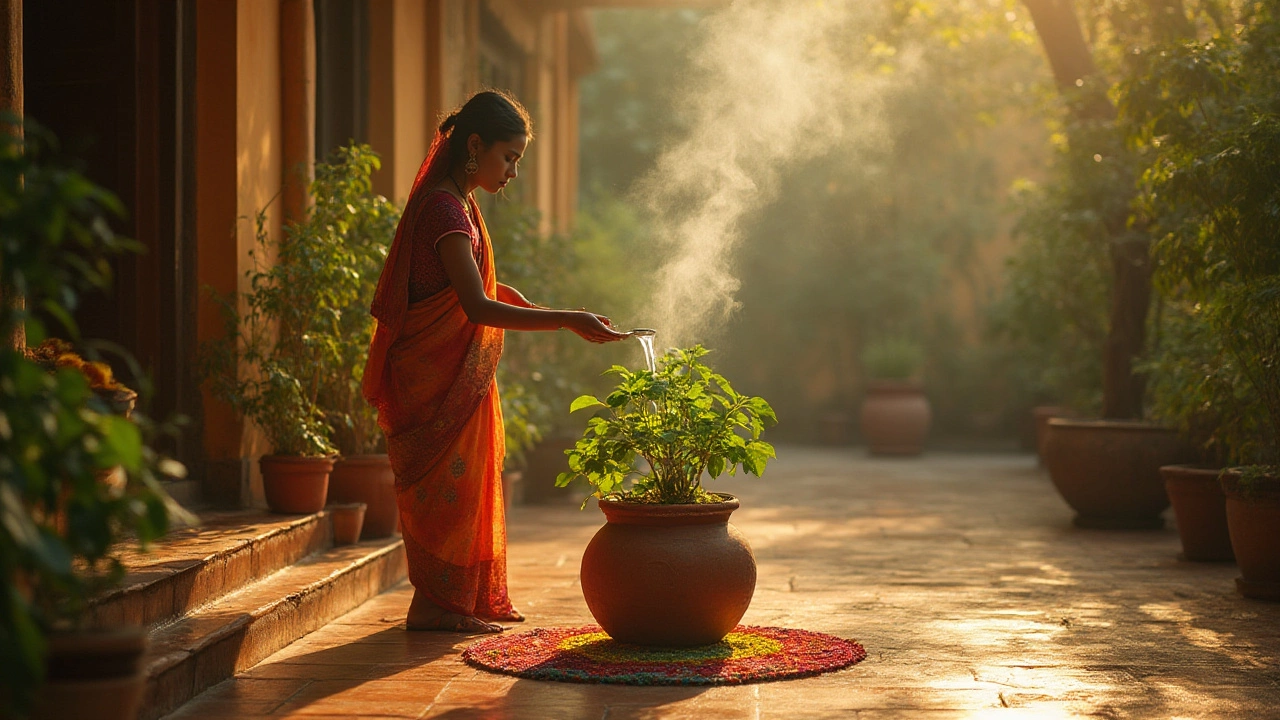
Why Holy Basil (Tulsi) is the King of All Herbs: Benefits, Facts, and Uses
Discover why holy basil, known as tulsi, is the unrivaled king of all herbs. Learn about its proven health benefits, history, and how to use it daily.
read more