
Ayurvedic Herb Interaction Checker
Check potential interactions between Ayurvedic herbs and prescription medications. This tool is for educational purposes only and does not replace professional medical advice.
People swear by Ayurveda. Some say it cured their insomnia, cleared their skin, or fixed their digestion. Others say it made them sick-rash, nausea, even liver damage. So is Ayurveda good or bad for you? The answer isn’t simple. It’s not magic. It’s not a scam. It’s a 5,000-year-old system of medicine that works for some, harms others, and often gets mixed up with marketing hype.
What Ayurveda Actually Is (Not Just Herbs and Incense)
Ayurveda isn’t just turmeric lattes and essential oils. It’s a full medical system from ancient India that looks at your body, mind, and lifestyle as one connected whole. At its core are three forces called doshas: Vata (air and space), Pitta (fire and water), and Kapha (earth and water). Everyone has all three, but one usually dominates. Your dosha type determines what foods you should eat, what exercises suit you, even what time you should wake up.
Practitioners don’t just hand you pills. They assess your pulse, tongue, eyes, and digestion. They ask about your sleep, stress, and even your dreams. Then they suggest diet changes, herbal mixes, yoga, oil massages, or detox rituals like Panchakarma. It’s personalized medicine-before personalized medicine was a buzzword.
The Good: What Ayurveda Does Well
There’s real science behind some Ayurvedic practices. A 2021 study in the Journal of Clinical Psychopharmacology found that Ashwagandha, an Ayurvedic herb, reduced cortisol levels by 27% in adults with chronic stress. Another trial in Phytomedicine showed that Giloy (Tinospora cordifolia) helped lower blood sugar in type 2 diabetics as effectively as metformin in some cases.
For chronic issues like joint pain, digestive bloating, or anxiety, Ayurveda often helps where modern medicine offers only symptom control. Many people in Bangalore and Kerala have used Ayurvedic oil massages for arthritis for decades-and they report real mobility gains. The focus on daily routines (dinacharya), like tongue scraping, warm water in the morning, and eating meals at fixed times, naturally improves digestion and sleep.
What makes Ayurveda stand out is its prevention model. Instead of waiting for disease to strike, it asks: Are you eating too much spicy food? Are you sleeping late? Are you always rushing? Fix those, and illness follows less often.
The Bad: When Ayurveda Goes Wrong
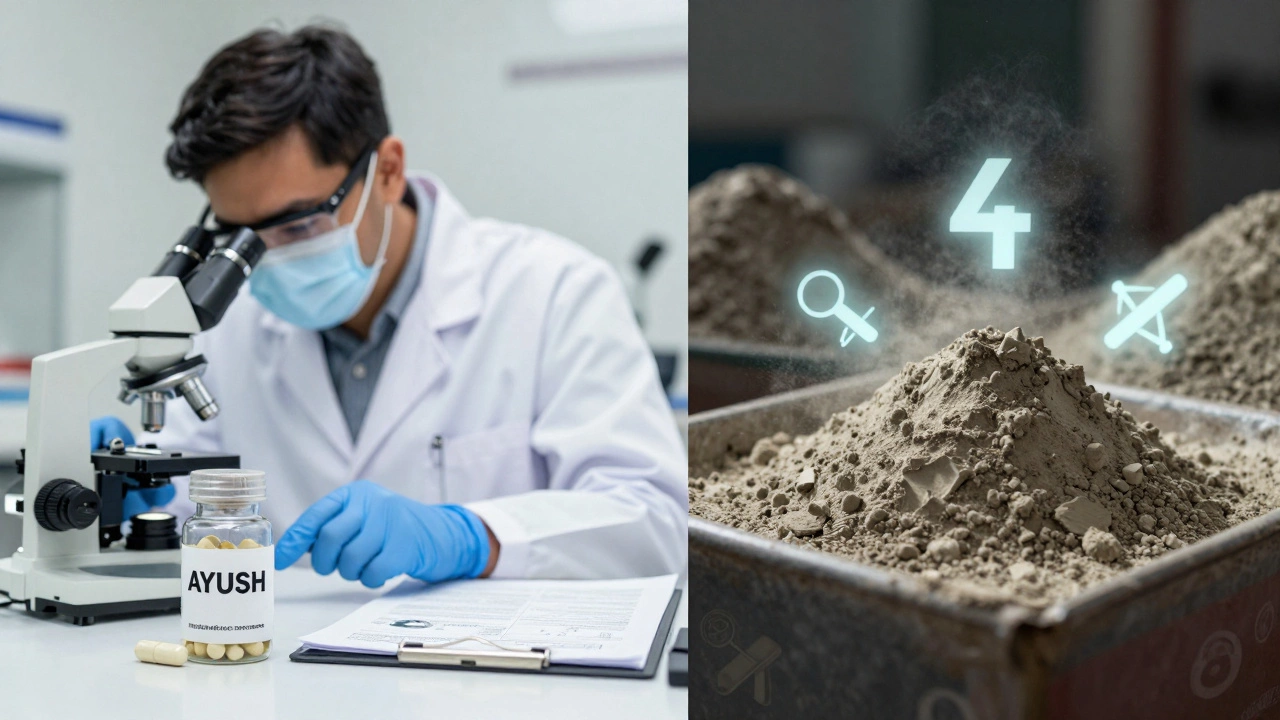
But here’s the dark side. In 2023, the FDA warned consumers about 27 Ayurvedic products linked to heavy metal poisoning. Lead, mercury, and arsenic showed up in pills sold as ‘natural remedies.’ One brand, marketed as a ‘brain tonic,’ had lead levels 100 times above safety limits. In India, the Central Council for Research in Ayurvedic Sciences found that nearly 30% of over-the-counter Ayurvedic medicines had unsafe metal content.
Why? Because some manufacturers skip purification steps. Traditional texts say metals like mercury must be processed through 18 stages of heating and grinding to become safe. Few modern factories do that. Instead, they cut corners-and you pay the price.
Another problem? Misdiagnosis. A woman in Pune came to me with fatigue and hair loss. She’d been taking an Ayurvedic iron supplement for six months. Her doctor found she had hypothyroidism, not a ‘Kapha imbalance.’ The supplement did nothing. Meanwhile, her thyroid was getting worse. Ayurveda isn’t a substitute for blood tests.
The Gray Area: When It’s Neither Good Nor Bad
Some Ayurvedic treatments sit in the middle. Take Panchakarma-the deep detox program involving vomiting, enemas, and nasal cleansing. For someone with chronic constipation and toxin buildup from years of processed food, it can reset the system. For someone with low blood pressure or anemia? It can be dangerous. The same treatment, different outcomes.
Herbal teas? Usually safe. But combine them with prescription drugs? Risky. Ashwagandha can lower blood pressure. If you’re already on beta-blockers, your pulse could drop too low. Turmeric interferes with blood thinners. People don’t tell their doctors they’re taking Ayurvedic herbs-because they think ‘natural’ means ‘safe.’ It doesn’t.
Who Should Avoid Ayurveda?
- People on blood thinners, diabetes meds, or heart drugs
- Pregnant or breastfeeding women (some herbs can trigger contractions)
- Those with liver or kidney disease (herbs are processed through these organs)
- Anyone with a history of heavy metal exposure
- People who treat it as a replacement for emergency or chronic care
If you have cancer, heart failure, or uncontrolled diabetes, Ayurveda isn’t your first line of defense. It can be a supportive tool-but only with your doctor’s approval.

How to Use Ayurveda Safely
It’s not about saying yes or no to Ayurveda. It’s about how you use it.
- Get a proper diagnosis first. If you’re tired, get your thyroid, iron, and vitamin D checked. Don’t assume it’s a ‘Vata imbalance.’
- Only use products with a BAMS-certified practitioner’s recommendation. Look for the AYUSH logo on packaging.
- Avoid powders and tablets from street vendors or Amazon sellers with no batch numbers.
- Ask for lab reports. Reputable brands like Dabur, Himalaya, or Charak publish third-party heavy metal test results.
- Tell your doctor what you’re taking. Even if it’s ‘just herbal.’
Start small. Try a morning routine: warm water with lemon, 10 minutes of breathing exercises, no phone for the first 30 minutes. That’s Ayurveda without the risk.
The Bottom Line
Ayurveda isn’t good or bad. It’s powerful-and dangerous if misused. It’s not a cure-all, but it’s not a cult either. When used wisely, it helps you live better. When used blindly, it can hurt you.
Think of it like a kitchen knife. Great for chopping vegetables. Terrible if you wave it around. Ayurveda is the same. It’s a tool. You need knowledge to use it right.
If you’re curious, start with diet and routine changes. Eat seasonally. Sleep early. Move your body. These are the real foundations of Ayurveda-and they cost nothing.
Can Ayurveda cure chronic diseases like diabetes or hypertension?
No, Ayurveda cannot cure chronic diseases like diabetes or high blood pressure. It can help manage symptoms and reduce medication dependency in some cases-especially when paired with lifestyle changes. But it should never replace insulin, antihypertensives, or other proven treatments. Always monitor your blood sugar and BP with a doctor while using Ayurvedic herbs.
Are Ayurvedic herbs always safe because they’re natural?
No. ‘Natural’ doesn’t mean safe. Many plants are toxic in high doses. Ayurvedic preparations sometimes contain heavy metals like lead or mercury, especially if made by unregulated manufacturers. Even safe herbs like licorice can raise blood pressure or cause electrolyte imbalances if taken long-term. Always check for lab-tested brands and consult a professional.
How do I know if an Ayurvedic product is legitimate?
Look for the AYUSH logo on the packaging, which means it’s registered under India’s Ministry of Ayurveda. Check for batch numbers, manufacturing dates, and expiration dates. Reputable brands like Dabur, Himalaya, Baidyanath, or Charak publish third-party lab reports for heavy metals and contaminants. Avoid products sold on Instagram, WhatsApp, or street stalls with no labels.
Can Ayurveda help with mental health issues like anxiety?
Yes, for mild to moderate anxiety, Ayurveda can be very helpful. Herbs like Ashwagandha and Brahmi have been shown in clinical trials to reduce stress hormones. Practices like yoga, pranayama (breathing), and oil massage (abhyanga) calm the nervous system. But for severe anxiety, depression, or panic disorders, combine Ayurveda with therapy or medication-not replace it.
Is Ayurveda better than Western medicine?
Neither is ‘better.’ They serve different purposes. Western medicine excels at emergencies, infections, surgeries, and life-threatening conditions. Ayurveda shines in prevention, chronic symptom management, and restoring balance after stress or poor lifestyle habits. The best approach is integrative: use Western medicine when needed, and Ayurveda to support long-term wellness.
How long does it take to see results from Ayurveda?
Ayurveda works slowly because it targets root causes, not symptoms. You might feel better digestion or sleep within 2-4 weeks of changing your routine. But for deeper issues like hormonal imbalance or chronic inflammation, it can take 3-6 months. Patience is key. Quick fixes usually mean the treatment is masking the problem, not healing it.
What to Try Next
If you’re thinking about Ayurveda, don’t jump into expensive treatments. Start with these three simple steps:
- Drink warm water with lemon every morning before coffee.
- Stop eating heavy meals after 7 p.m.
- Take 5 minutes before bed to breathe slowly-inhale for 4 counts, hold for 4, exhale for 6.
That’s Ayurveda. No pills. No cost. Just awareness. If you feel better, you’re on the right path. If not, you haven’t lost anything.

Write a comment