Herbal Remedies: Natural Solutions for Health and Wellness
When people talk about herbal remedies, natural treatments using plants to support health. Also known as plant-based medicine, it’s been used for thousands of years across cultures — especially in India, where Ayurvedic medicine, a 5,000-year-old system of healing based on balance and individual body types shapes how herbs are chosen and used.
Herbal remedies aren’t just tea or tinctures. They’re part of a larger system that includes diet, daily routines, and mental habits. For example, Ayurvedic diet, a personalized eating plan tied to your dosha (body type) uses specific spices like turmeric and cumin not just for flavor, but to improve digestion and reduce inflammation. Similarly, an Ayurvedic cleanse, a gentle reset using herbs, warm water, and timed meals helps your body naturally shed toxins without harsh fasting or expensive treatments. These aren’t quick fixes. They’re long-term tools that work with your body, not against it.
Not all herbal products are created equal. Some brands cut corners. Others use certified organic ingredients, follow strict manufacturing standards, and test for purity. That’s why knowing how to spot a reputable herbal supplement company, a brand that’s transparent, third-party tested, and GMP certified matters. It’s the difference between a product that helps and one that does nothing — or worse, harms you.
People use herbal remedies for many reasons: to calm anxiety with ashwagandha, to support liver health with milk thistle, or to reset digestion after holidays with triphala. But they’re not magic pills. They work best when paired with good sleep, clean water, and mindful eating. And they’re not always safe to mix with prescription drugs like metformin or Ozempic. That’s why understanding how herbs interact with modern medicine is just as important as knowing which herb to take.
What you’ll find below isn’t a list of random herbal tips. It’s a collection of real, practical guides — from how to avoid bad food combinations in Ayurveda, to which supplements actually work for stress, to how Christians think about using herbs. Every article here is grounded in tradition, backed by modern understanding, and written for people who want to take control of their health — without buying into hype or expensive gimmicks.

What Are the 5 Types of Herbal Supplements and How They Actually Work?
Discover the five main types of herbal supplements - adaptogens, antioxidants, immune modulators, digestive aids, and hormone balancers - and how each supports your health naturally. Learn what works, what to avoid, and how to choose the right one.
read more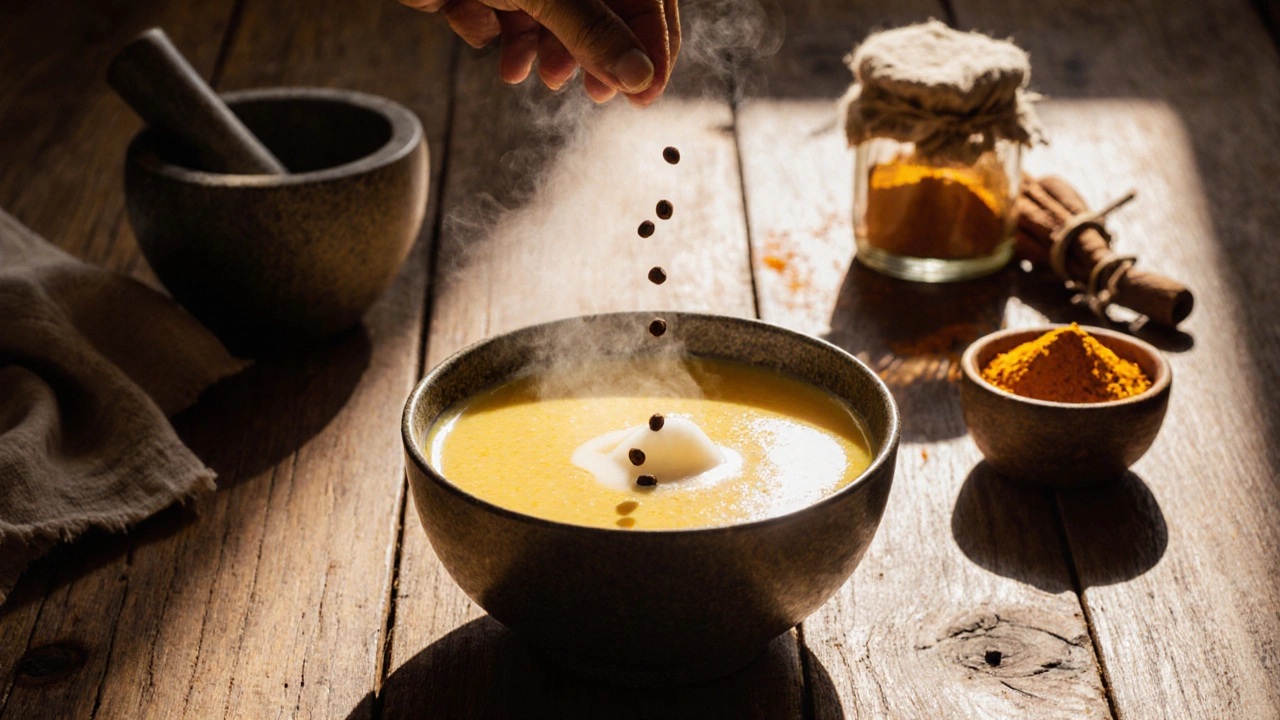
What Is the Number One Food That Kills Inflammation?
Turmeric is the number one food that fights inflammation, backed by science and centuries of use. Learn how curcumin, black pepper, and fat work together to reduce pain and swelling naturally.
read more
Herbal Supplements: Nature's Boosters for Your Well-being
Herbal supplements have been used for centuries to support health and wellness. From turmeric's anti-inflammatory properties to ashwagandha's stress-relief benefits, these natural products offer a wide range of therapeutic effects. This article explores various herbal supplements, highlighting their benefits, potential uses, and tips for choosing the right ones for your needs.
read more