GLP-1 Agonists: What They Are, How They Work, and What Alternatives Exist
When you hear GLP-1 agonists, a class of injectable medications that mimic a natural hormone in your gut to control blood sugar and reduce appetite. Also known as incretin mimetics, they’re not just for diabetes anymore—they’ve become a game-changer for weight loss too. Drugs like Wegovy and Ozempic are the most talked-about versions, but they’re part of a bigger group that includes newer options like tirzepatide. These aren’t magic pills, but they do work by slowing digestion, lowering blood sugar, and making you feel full longer—without crashing your energy.
What makes GLP-1 agonists different from older diabetes drugs? They don’t cause low blood sugar on their own, they help you lose weight instead of gaining it, and they’ve been shown to reduce heart risks in people with type 2 diabetes. The science behind them is solid: your body naturally releases GLP-1 after eating, and these drugs just boost that signal. But they’re not for everyone. People with a history of thyroid cancer, pancreatitis, or certain digestive disorders are often told to avoid them. And because they’re injectables, some people hesitate—not because they don’t work, but because they’re used to swallowing pills.
That’s where alternatives come in. Generic semaglutide is now available at a fraction of the cost of branded versions. Tirzepatide, which works on two hormones instead of one, is showing even stronger results in trials. And while these are prescription-only, people are looking into natural ways to support GLP-1 function—like eating protein-rich meals, getting enough sleep, and avoiding ultra-processed foods. You won’t get the same effect as a drug, but your body can still be trained to respond better to its own GLP-1.
What you’ll find below are real stories and practical guides about these medications: how people are getting them safely, what side effects to watch for, and how they compare to other weight loss tools like diet changes or surgery. There’s also info on what happens when you stop taking them—because many people do, and the weight often comes back. You’ll see links to posts about cheaper versions of Wegovy, what to expect after stopping metformin, and how some of these drugs fit into broader health trends in India. No fluff. Just what you need to know before you ask your doctor about them.

Which Diabetic Medication Helps You Lose Weight? A 2026 Guide
Discover which diabetic medications help with weight loss, including GLP-1 agonists like Semaglutide and SGLT2 inhibitors. Learn about side effects, costs, and how to discuss options with your doctor.
read more
What Is the Best Medicine to Lower A1C? Top Options Backed by Science
The best medicine to lower A1C depends on your health needs. GLP-1 agonists like semaglutide offer the strongest A1C reduction and weight loss. SGLT2 inhibitors protect the heart and kidneys. Metformin remains the safest, cheapest starter. Choose based on your goals, not just the numbers.
read more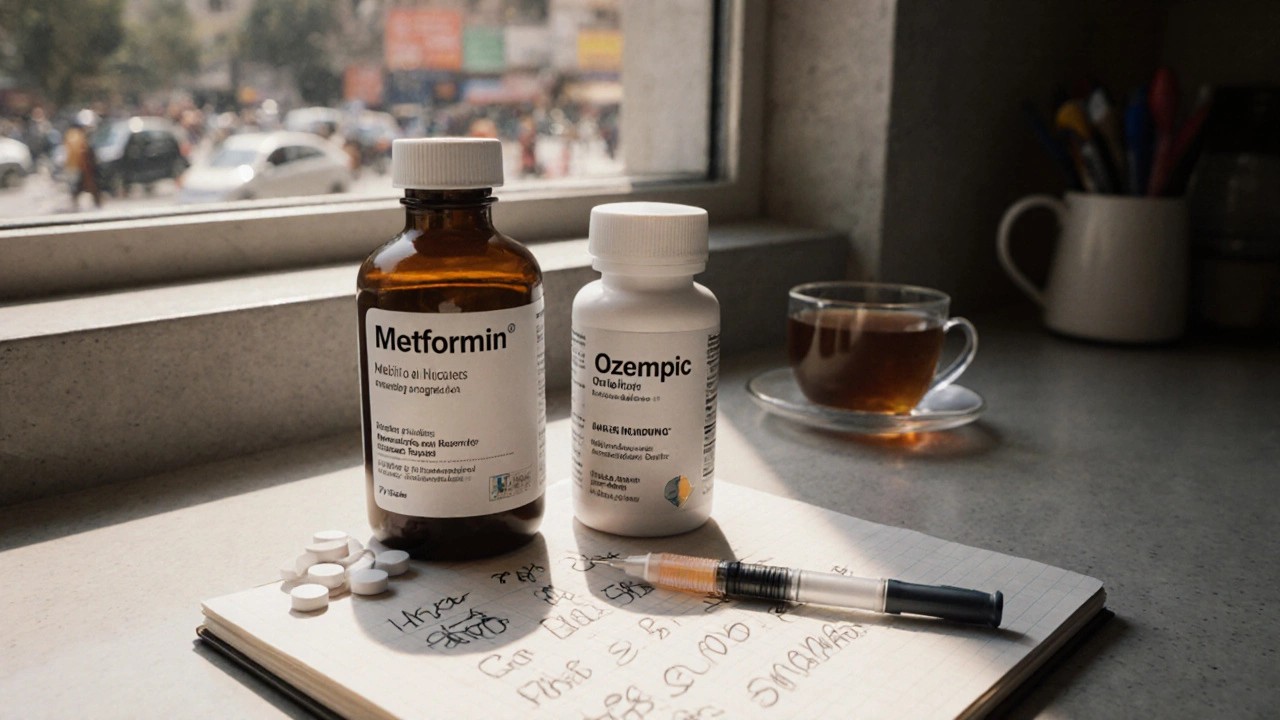
Is Metformin the Same as Ozempic? Key Differences Between These Diabetes Medications
Metformin and Ozempic both treat type 2 diabetes but work very differently. Metformin is a cheap, oral pill that improves insulin sensitivity. Ozempic is a weekly injection that promotes weight loss and heart protection. They’re not interchangeable.
read more
Ozempic Alternatives: What Medications Can Replace Ozempic for Diabetes & Weight Loss?
Can’t get Ozempic? Discover proven alternatives to Ozempic for diabetes and weight loss. Compare effectiveness, side effects, and practical tips to find your best fit.
read more