A1C Reduction Estimator
Estimate potential A1C reduction based on your current levels, weight goals, and medication choices. Results are approximate and should not replace medical advice.
Important: This tool provides general estimates based on clinical data. Actual results vary based on individual biology, adherence, and other health factors. Always consult your doctor before making treatment decisions.
Getting your A1C down isn’t just about numbers on a lab report-it’s about reducing your risk of nerve damage, kidney problems, heart disease, and vision loss. If you’ve been told your A1C is too high, you’re probably wondering: what is the best medicine to lower A1C? The answer isn’t one-size-fits-all. It depends on your health history, other conditions you have, your weight, your budget, and even your daily routine.
What A1C Really Means
A1C measures your average blood sugar over the past 2 to 3 months. It’s expressed as a percentage. A normal A1C is below 5.7%. Prediabetes is 5.7% to 6.4%. Diabetes is diagnosed at 6.5% or higher. Most doctors aim for an A1C under 7% for people with type 2 diabetes, but some may target 6.5% or even lower if it’s safe for them.
Lowering your A1C by just 1% can cut your risk of diabetes complications by up to 40%. That’s why choosing the right medicine matters. But no drug works the same for everyone. Some lower A1C fast. Others help with weight loss too. Some are expensive. Others come with side effects.
Top Medicines That Lower A1C
There are more than a dozen FDA-approved diabetes medications. But only a few consistently drop A1C by 1% or more. Here are the most effective ones based on clinical trials and real-world use.
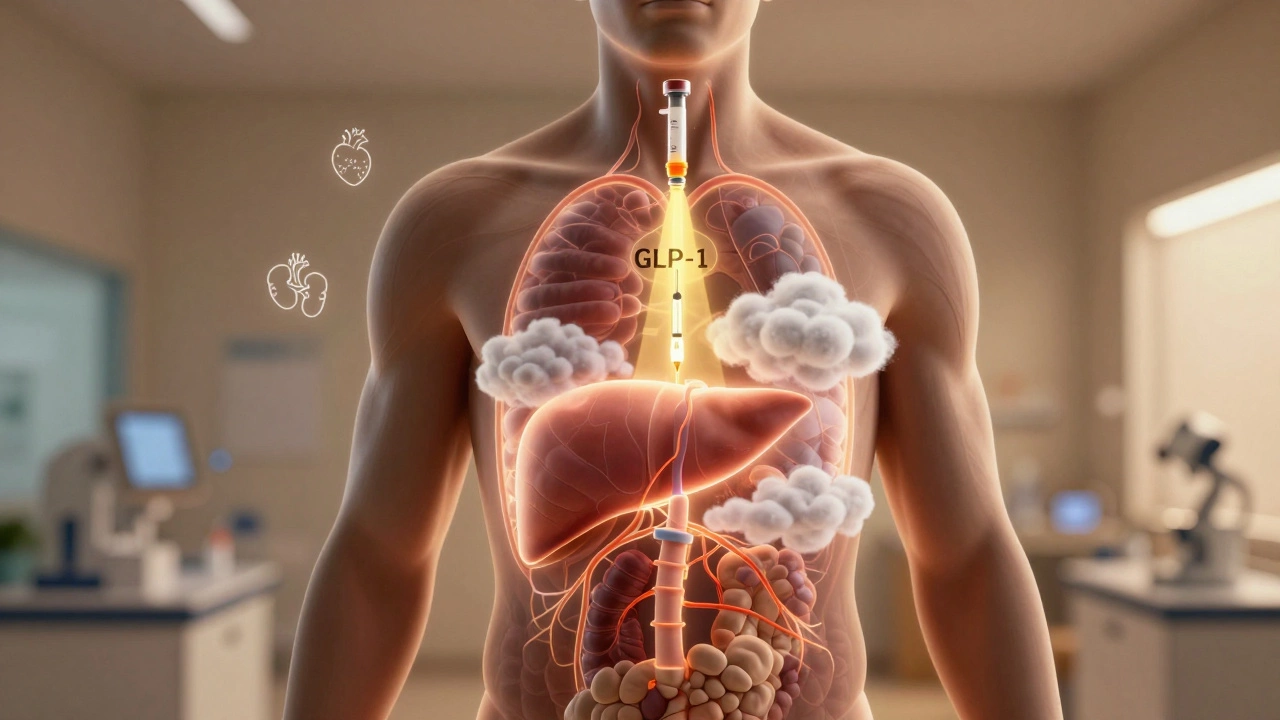
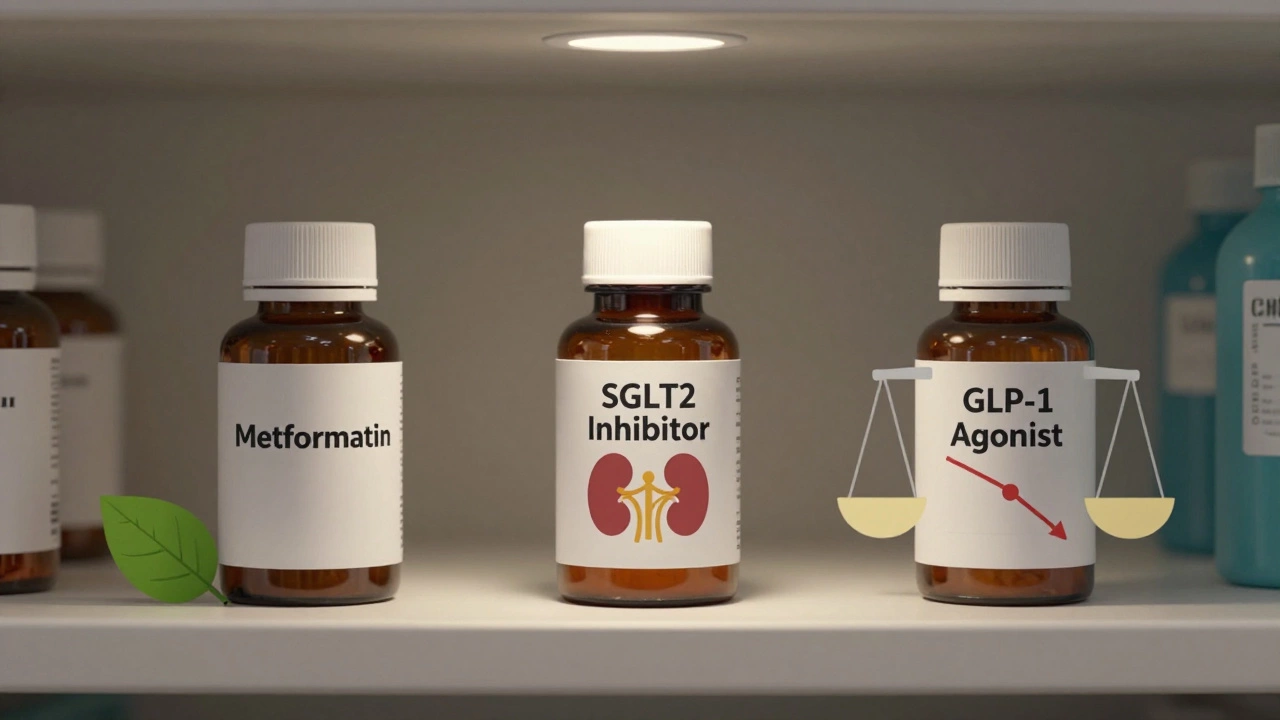
- GLP-1 receptor agonists (like semaglutide, liraglutide, dulaglutide): These injectables lower A1C by 1% to 2%. They also help with weight loss-up to 15 pounds on average-and reduce heart risks. Semaglutide (Wegovy, Ozempic) is one of the strongest A1C reducers available.
- SGLT2 inhibitors (like empagliflozin, dapagliflozin, canagliflozin): These pills make your kidneys flush out extra sugar through urine. They lower A1C by 0.5% to 1.5%. They also protect your heart and kidneys, and often lead to weight loss. Empagliflozin has been shown to cut heart-related death by 38% in high-risk patients.
- Metformin: The oldest and most common first-line drug. Lowers A1C by 1% to 2%. It’s cheap, well-studied, and doesn’t cause weight gain. Side effects like stomach upset are common at first but often fade.
- Insulin: Works fast and lowers A1C strongly-often by 1.5% to 3%. But it can cause low blood sugar and weight gain. Usually added when other drugs aren’t enough.
- DPP-4 inhibitors (like sitagliptin, linagliptin): Mild A1C reduction-about 0.5% to 0.8%. Low risk of low blood sugar. Often used when other drugs aren’t tolerated.
Which One Lowers A1C the Most?
Based on head-to-head trials, GLP-1 agonists like semaglutide win for the biggest A1C drop. In the SUSTAIN-6 trial, semaglutide lowered A1C by an average of 1.5% over 30 months. That’s more than metformin, DPP-4 inhibitors, or most SGLT2 drugs.
But here’s the catch: GLP-1 drugs are injectables. Some people don’t like needles. Others can’t afford them-brand-name versions like Ozempic can cost over $1,000 a month without insurance. Generic versions are starting to appear, but availability varies.
SGLT2 inhibitors like empagliflozin are close behind in A1C reduction but have added benefits: they protect your heart and kidneys, even in people without diabetes. They’re also pills, which many prefer over injections.
Metformin is still the go-to starting point for most doctors because it’s safe, cheap, and effective. But if your A1C is above 8% and you’re overweight, many endocrinologists now start with a GLP-1 or SGLT2 drug right away.
Weight Loss and A1C: The Hidden Connection
Many people don’t realize how much weight loss affects A1C. Losing just 5% of your body weight can drop your A1C by 0.5% to 1%. That’s why drugs that help you lose weight often do better at lowering A1C.
GLP-1 agonists are the clear winners here. In clinical trials, people lost 10 to 15 pounds on average. Some lost over 20. That’s not just cosmetic-it’s metabolic. Less fat around your liver and pancreas means your body starts using insulin better.
SGLT2 inhibitors also help with weight loss, but less dramatically-around 5 to 10 pounds. Metformin? Maybe 2 to 5 pounds. Insulin? Often causes weight gain.
If you’re trying to lower your A1C and you’re overweight, the best medicine is the one that helps you lose weight and keep it off. That’s why GLP-1 drugs are becoming first-line for many.
Side Effects and Risks
Every drug has trade-offs.
- GLP-1 agonists: Nausea, vomiting, diarrhea-especially at first. Rare risk of pancreatitis or gallbladder issues. Not safe for people with a personal or family history of medullary thyroid cancer.
- SGLT2 inhibitors: Increased risk of yeast infections, urinary tract infections, and a rare but serious condition called ketoacidosis. Also can cause dehydration if you’re not drinking enough water.
- Metformin: Upset stomach, gas, diarrhea. Taking it with food helps. Rare risk of lactic acidosis, mostly in people with kidney problems.
- Insulin: Low blood sugar is the biggest danger. Can cause weight gain. Requires careful dosing and blood sugar checks.
Some people stop taking their meds because of side effects. That’s why starting low and going slow matters. Many doctors begin with half a dose and increase it over weeks.
What About Natural Remedies?
You’ll see ads for cinnamon, berberine, apple cider vinegar, or bitter melon as “natural A1C reducers.” Some small studies show mild effects-maybe a 0.5% drop at best. But none come close to the power of FDA-approved drugs.
Also, supplements aren’t regulated like medicine. One bottle of berberine might have 100mg of active ingredient. Another might have 50mg-or none at all. And they can interact with your other meds. Berberine, for example, can affect how your liver processes drugs like metformin.
Don’t replace your prescribed medicine with herbs. But you can use diet, movement, and sleep to boost the effect of your medication.
How to Choose the Right One for You
There’s no single “best” medicine. The right one is the one that works for you. Ask yourself:
- Is your A1C above 8%? Then you likely need a stronger drug-GLP-1 or SGLT2.
- Are you overweight? GLP-1 drugs are your best bet for both A1C and weight loss.
- Do you have heart or kidney disease? SGLT2 inhibitors have proven benefits here.
- Can you afford it? Metformin costs under $10 a month. GLP-1 drugs can cost hundreds. Ask about patient assistance programs.
- Do you hate needles? Then avoid GLP-1s unless they’re the only option that works.
- Have you had side effects from other drugs? That tells your doctor what to avoid.
Many people end up on combination therapy-like metformin plus a GLP-1 or SGLT2 drug. That’s normal. Diabetes is a progressive condition. What works today might need to change in a year.

Real-World Results
One 58-year-old man, overweight with an A1C of 9.2%, started on semaglutide. Within 3 months, his A1C dropped to 6.8%. He lost 18 pounds. His blood pressure improved. He stopped needing a second medication.
Another woman, 67, with kidney disease and an A1C of 8.1%, started on empagliflozin. Her A1C fell to 7.0%. Her kidney function stayed stable. She didn’t gain weight. She didn’t need insulin.
These aren’t outliers. They’re common outcomes when the right medicine is chosen.
What If Your A1C Doesn’t Drop?
If your A1C hasn’t improved after 3 to 6 months on a medicine, it’s time to reassess. Maybe:
- You’re not taking it consistently.
- Your diet or activity level hasn’t changed.
- You need a higher dose.
- You need a different drug.
- You have another condition (like sleep apnea or thyroid issues) making blood sugar harder to control.
Don’t wait. Talk to your doctor. Don’t assume the medicine isn’t working-you might just need to adjust it.
Bottom Line
The best medicine to lower A1C depends on your body, your goals, and your life. For most people with type 2 diabetes who need strong A1C reduction and weight loss, GLP-1 agonists like semaglutide are the most effective. For those with heart or kidney disease, SGLT2 inhibitors are a top choice. Metformin remains the safest, cheapest starter.
There’s no magic pill. But there are proven options. Work with your doctor to find the one that fits your life-not just your lab results.
Can you lower A1C without medicine?
Yes, but it’s harder and slower. Losing weight, eating fewer carbs, moving daily, and sleeping well can lower A1C by 0.5% to 1.5% over months. But if your A1C is above 8%, medicine usually works faster and more reliably. Lifestyle changes work best alongside medication-not as a replacement.
How long does it take for A1C medicine to work?
You’ll see blood sugar changes in days or weeks, but A1C reflects 2-3 months of average levels. Most people see a drop in A1C after 3 months. Some, like those on GLP-1 drugs, see improvements as early as 12 weeks. Don’t check your A1C too soon-wait at least 90 days to judge if a medicine is working.
Do all diabetes medicines lower A1C equally?
No. Metformin and DPP-4 inhibitors typically lower A1C by 0.5% to 1%. SGLT2 inhibitors and GLP-1 agonists lower it by 1% to 2%. Insulin can drop it by 1.5% to 3%. The strongest options also help with weight loss and heart protection, which makes them better long-term choices for many people.
Is Ozempic the best A1C medicine?
Ozempic (semaglutide) is one of the most effective A1C-lowering drugs available. In trials, it lowered A1C by an average of 1.5% and helped people lose weight. But it’s not the best for everyone. If you can’t afford it, can’t stand injections, or have certain health conditions, other options like metformin or empagliflozin may be better. The best medicine is the one you can take safely and consistently.
Can I stop taking A1C medicine once my numbers improve?
Some people with early type 2 diabetes who lose weight and change their lifestyle can reduce or even stop meds-especially if their A1C drops below 6% and stays there. But for most, diabetes is progressive. Stopping medicine often leads to blood sugar rising again. Never stop without talking to your doctor. Even if you feel fine, high blood sugar silently damages your body.
Managing diabetes isn’t about finding the perfect drug. It’s about finding the right plan-for your body, your life, and your future. The best medicine is the one you’ll stick with. And that’s something only you and your doctor can figure out together.

Write a comment