
When people ask what the toughest mental illness to treat is, there’s no single answer that fits every case. But if you look at real-world outcomes, patient reports, and long-term clinical data, one condition stands out: borderline personality disorder (BPD). It’s not the most common, and it’s not always the most visible - but it’s the hardest to stabilize, the most resistant to quick fixes, and the one that wears down even the most experienced therapists.
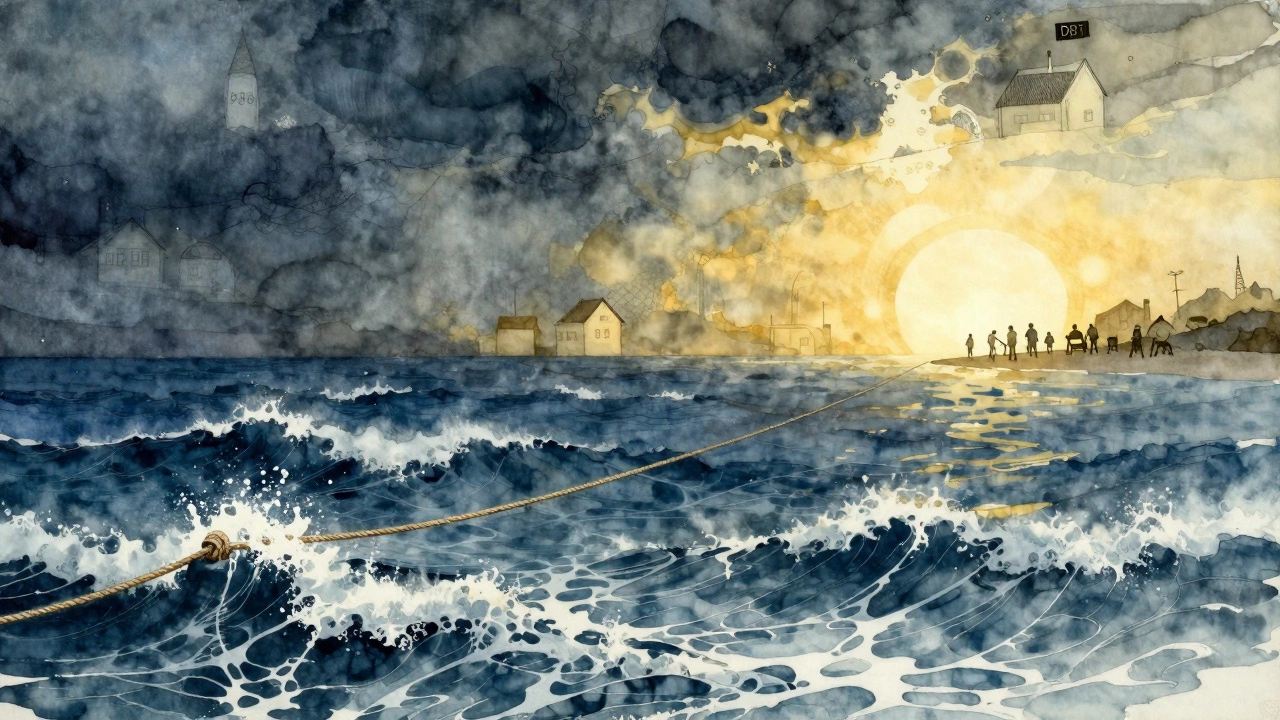
Think of BPD as a storm inside a person’s mind. One moment, they feel deeply connected to someone - like that person is their entire world. The next, they feel utterly abandoned, even if the other person just didn’t reply to a text. These emotional swings aren’t dramatic for show. They’re real, exhausting, and often lead to self-harm, impulsive decisions, or repeated hospital visits. And unlike depression or anxiety, where medication can bring some relief, BPD doesn’t respond well to pills alone. Therapy is the only path - but even that takes years.
Why BPD Is So Hard to Treat
Most mental illnesses have clear biological markers. Schizophrenia shows up in brain scans. Major depression often responds to SSRIs. But BPD? It’s a mix of biology, trauma, and learned behavior that no single treatment can untangle. Patients often come in with multiple diagnoses - depression, PTSD, substance use - because the core pain of BPD hides under so many layers.
Traditional talk therapy often fails. Why? Because people with BPD struggle with trust. They test therapists. They idealize them, then suddenly feel betrayed. A therapist might be their hero one week and the enemy the next. This isn’t manipulation - it’s a survival mechanism built from early abandonment or abuse. So therapy has to be structured, consistent, and long-term. That’s where Dialectical Behavior Therapy (DBT) comes in. Developed by Marsha Linehan in the 1990s, DBT is the only treatment with strong evidence for BPD. It teaches emotional regulation, distress tolerance, and interpersonal skills. But it’s not easy. Patients attend weekly individual therapy, plus group skills training. They’re given homework. They track emotions daily. And they have to show up, even when they feel like giving up.
The Role of Medication - And Why It’s Misunderstood
Many assume medication can fix BPD. It can’t. Antidepressants might help with mood swings. Antipsychotics might calm intense paranoia. Mood stabilizers might reduce impulsivity. But none of them touch the root: the fear of abandonment, the unstable identity, the emotional chaos. That’s why doctors who prescribe meds alone often see patients cycle in and out of care. The real work happens in therapy - and it’s slow.
There’s also a dangerous myth: that people with BPD are "difficult" or "too much." That’s stigma dressed up as clinical judgment. In reality, these patients are often the most desperate for connection. They’re not trying to drive therapists away - they’re terrified of being left alone. The most successful treatments treat them as whole people, not problems to solve.

Other Tough Contenders
BPD isn’t the only tough one. Schizophrenia is brutal. People hear voices, lose touch with reality, and often stop taking meds because the side effects - weight gain, tremors, fatigue - feel worse than the illness. Treatment requires antipsychotics, therapy, social support, and sometimes hospitalization. But many patients stabilize over time, especially with early intervention.
Treatment-resistant depression is another heavyweight. When SSRIs, SNRIs, and even ketamine fail, options shrink. Electroconvulsive therapy (ECT) can help, but it’s invasive. Transcranial magnetic stimulation (TMS) works for some. But the emotional toll? It’s crushing. People lose jobs, relationships, hope. They don’t just feel sad - they feel empty. And when you’ve tried everything and nothing works, the silence is deafening.
OCD is often misunderstood as just being "neat" or "organized." But for some, it’s a prison. Intrusive thoughts about harming loved ones, contamination fears that lock them in their homes for days, rituals that take hours - these aren’t quirks. They’re terror disguised as routine. ERP (Exposure and Response Prevention) is the gold standard, but it’s agonizing. Patients have to face their worst fears without performing their rituals. It’s like being asked to touch fire and not pull your hand away. Only a fraction stick with it.
What Works - And What Doesn’t
What doesn’t work? Short-term therapy. Quick fixes. Medication-only approaches. Judging someone as "non-compliant." Blaming the patient for not "trying hard enough." What does work? Consistency. Compassion. Time. A therapist who doesn’t quit when the patient yells. A support system that shows up even when the person pushes them away. A treatment plan that adapts, not one that demands perfection.
Studies show that after five years of consistent DBT, over 70% of people with BPD no longer meet diagnostic criteria. That’s not a cure - but it’s recovery. People go back to school. Get jobs. Build families. They still have hard days, but they have tools now. They’re not drowning.
The Hidden Cost: Burnout Among Therapists
Here’s the truth no one talks about: treating BPD burns out therapists. It’s emotionally exhausting. You invest months, sometimes years, into someone who might suddenly cut off contact, accuse you of betrayal, or disappear for months. Many clinicians avoid taking on BPD patients because the turnover is high and the emotional toll is real. Training programs rarely prepare therapists for this. But the ones who stick with it - they’re the unsung heroes. They don’t get medals. They just keep showing up.
Hope Isn’t a Myth
People with BPD aren’t doomed. Recovery is possible. But it doesn’t look like a Hollywood movie. There’s no overnight transformation. It’s 3 a.m. texts that are answered. It’s showing up for therapy when you feel worthless. It’s learning to sit with pain instead of numbing it. It’s realizing you’re not broken - you’re wounded, and healing takes time.
And if you’re someone who’s been told you’re "too hard to treat" - that’s not true. You’re not the problem. The system is. But change is happening. More clinics now offer DBT. More insurance plans cover long-term therapy. More people are speaking up about their recovery. You’re not alone. And you’re not beyond help.
Is borderline personality disorder curable?
Borderline personality disorder isn’t "cured" like an infection. But it can be managed so effectively that most people no longer meet the diagnostic criteria after five years of consistent treatment, especially with Dialectical Behavior Therapy (DBT). Many regain stable relationships, hold jobs, and live fulfilling lives. Recovery means learning skills to handle emotions, not eliminating the condition entirely.
Why don’t medications work well for BPD?
Medications can help with symptoms like mood swings, anxiety, or impulsivity, but they don’t address the core issues of BPD - fear of abandonment, unstable self-image, and intense emotional reactions. These stem from deep psychological patterns, not chemical imbalances alone. Therapy, especially DBT, is the only approach proven to change those patterns long-term.
Can someone with BPD have a normal relationship?
Yes - but it takes work. People with BPD often fear abandonment and react intensely to perceived rejection. With therapy, they learn to recognize triggers, communicate needs clearly, and tolerate discomfort without lashing out. Many go on to build lasting, loving relationships. It’s not easy, but it’s possible with time, self-awareness, and support.
Is BPD the same as bipolar disorder?
No. Bipolar disorder involves distinct mood episodes - manic highs and depressive lows - that last for days or weeks. BPD involves rapid emotional shifts that can happen within hours. Bipolar is often treated with mood stabilizers; BPD responds best to therapy. Misdiagnosis is common because both involve mood instability, but the patterns, causes, and treatments are very different.
What should I do if I think someone I love has BPD?
Don’t try to fix them. Don’t take their outbursts personally. Encourage them to seek a therapist trained in DBT. Educate yourself about BPD - understanding their fear of abandonment can help you respond with patience. Set clear boundaries, but stay connected. Your consistency matters more than you know. Support groups for families can also help you cope without burning out.

Write a comment