Cancer Survival Rates: What Really Matters and How to Understand Them
When you hear cancer survival rates, the percentage of people alive a certain number of years after a cancer diagnosis, it’s easy to feel overwhelmed. But these numbers aren’t predictions—they’re averages based on thousands of cases. They don’t tell you what will happen to you, but they do show what’s possible. Many people live for years, even decades, after a cancer diagnosis, especially when it’s found early and treated with modern methods. Survival rates have improved across most cancers over the last 20 years, not just because of new drugs, but because of better screening, personalized care, and smarter support systems.
What affects your survival isn’t just the type of cancer—it’s the stage at diagnosis, how far the cancer has spread when found, your age, overall health, and even where you live. A stage 1 breast cancer patient has a much higher 5-year survival rate than someone with stage 4, but even stage 4 isn’t a death sentence anymore. Treatments like targeted therapy, immunotherapy, and precision medicine are changing outcomes. And while chemo for stage 4 cancer, a common treatment used to slow cancer growth and ease symptoms can be tough, it’s not always about curing—it’s about living well longer. Some people choose palliative care over aggressive treatment, and that’s a valid, common choice that can still lead to meaningful time.
Lifestyle matters more than most people think. Eating well, staying active, managing stress, and avoiding smoking aren’t just "nice to have"—they’re part of the equation. Studies show that people who maintain healthy habits after diagnosis often live longer and feel better during treatment. And early detection? It’s still the biggest game-changer. Regular screenings for breast, colon, cervical, and lung cancer can catch tumors before they spread, turning a deadly diagnosis into a manageable one. You won’t find one number that fits everyone, but you can find your path. Below, you’ll see real stories, real data, and real choices people have made—no fluff, no fear-mongering, just what works.
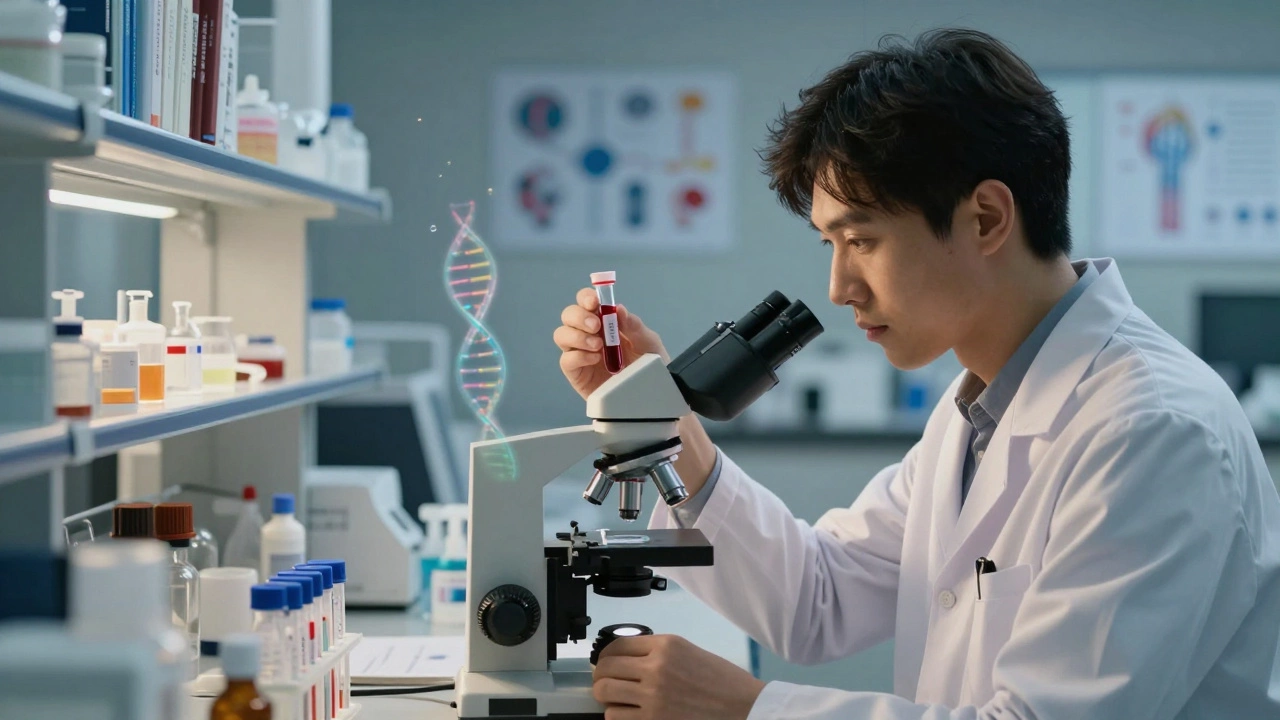
Can You Fully Beat Cancer? The Realistic Truth About Cure, Remission, and Long-Term Survival
Can you fully beat cancer? The answer isn't simple. Some cancers can be cured, others become chronic. Learn what remission really means, why cancer returns, and how new treatments are changing survival rates.
read more
What Are the Top 3 Worst Cancers? Survival Rates, Symptoms, and Why They’re So Deadly
Pancreatic, lung, and ovarian cancers are the deadliest due to late detection and lack of screening. Learn why they’re so dangerous and what steps you can take to catch them early.
read more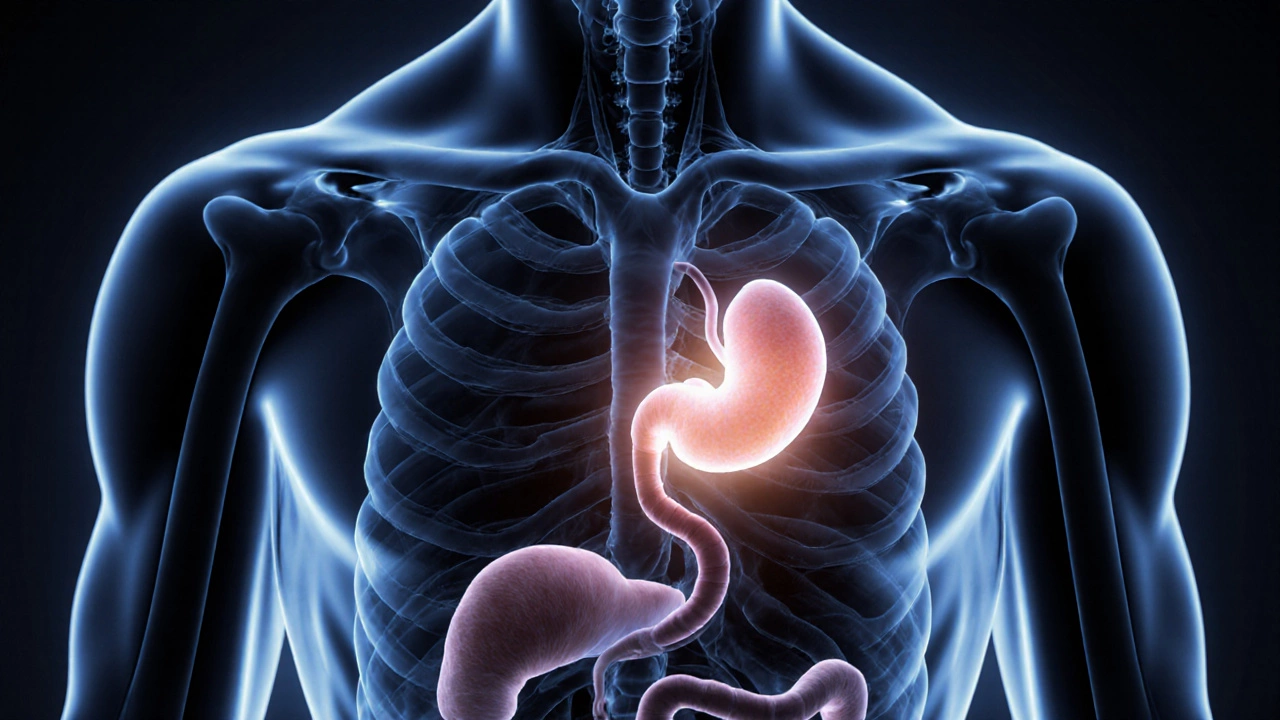
What Are the Deadliest Cancers and Why They’re So Hard to Treat?
Pancreatic, lung, liver, esophageal, and ovarian cancers are the deadliest due to late detection and poor treatment options. Learn why they're so dangerous and what you can do to reduce your risk.
read more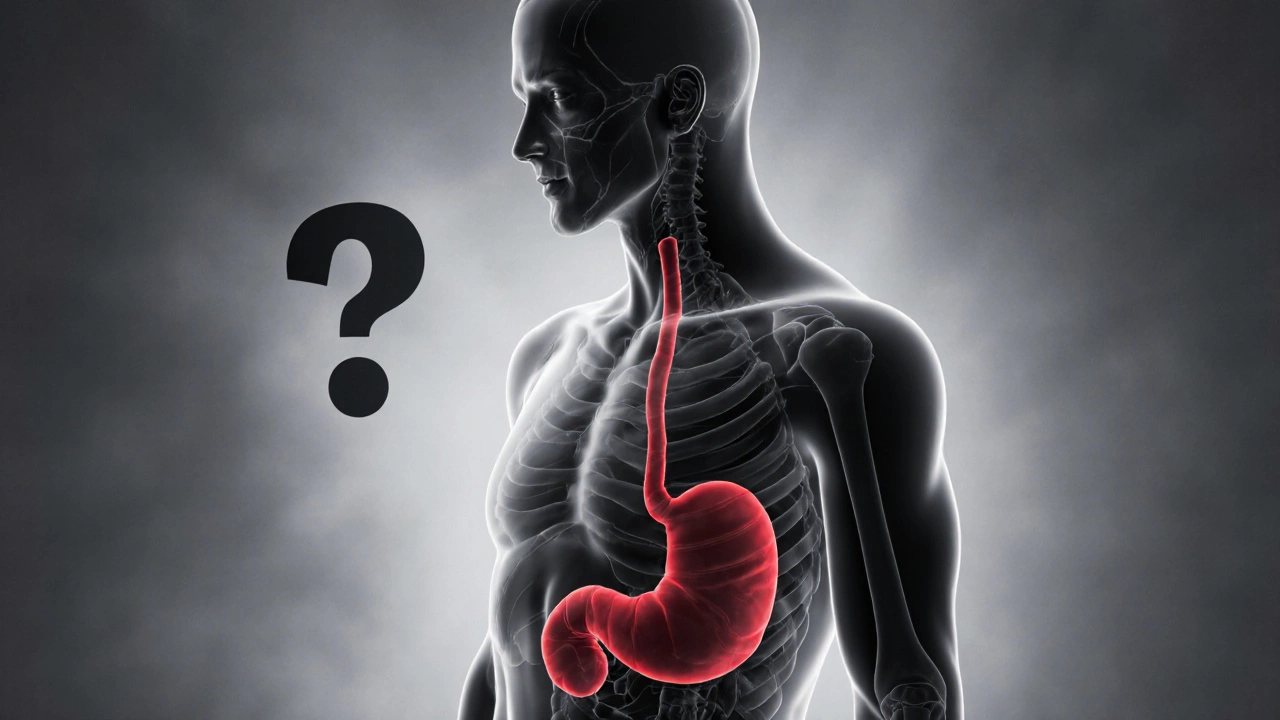
Which Cancer Is the Most Feared? Rankings, Risks, and Survival
Explore why pancreatic cancer tops the fear list, compare it with lung, brain, breast, and colon cancers, and learn steps to reduce anxiety and risk.
read more