Bone Specialist: Who They Are, When You Need One, and What They Treat
When your bones hurt, don’t ignore it. A bone specialist, a doctor trained to diagnose and treat conditions affecting the skeletal system. Also known as an orthopedic doctor, they handle everything from broken bones to chronic joint wear. This isn’t just about aging — even young people need them after sports injuries, accidents, or if they have conditions like osteoporosis or arthritis that weaken bones over time.
Many people confuse a bone specialist with a general doctor or physical therapist. But a bone specialist goes deeper. They use X-rays, MRIs, and bone density scans to see what’s really going on inside. They know how to tell the difference between a simple strain and a stress fracture, or between normal joint creaking and early-stage osteoarthritis. They’re the ones who decide if you need a brace, a shot, or surgery. And if you’ve been told your pain is "just part of getting older," but it’s getting worse — that’s when you need one.
Related conditions like osteoporosis, a disease that makes bones brittle and prone to breaking — especially in women after menopause — often fly under the radar until a fall leads to a hip fracture. A bone specialist doesn’t just fix the break; they figure out why it happened and how to stop the next one. Then there’s joint pain, a symptom that can come from arthritis, tendon damage, or even nerve issues. Some patients think rest is enough. But if your knee swells every time you walk, or your shoulder won’t lift your coffee cup, that’s not normal. A bone specialist can tell you if it’s inflammation, cartilage loss, or something else.
And it’s not just about surgery. Many bone specialists focus on non-invasive treatments — physical therapy plans, custom orthotics, injections for pain relief, or lifestyle changes that take pressure off your joints. They work with nutrition too. If you’re low on vitamin D or calcium, that affects bone strength. Some of the posts below cover how diet and supplements like turmeric can help reduce inflammation around joints, which is often part of the bigger picture.
Whether you’re 25 and recovering from a soccer injury, 55 and struggling to climb stairs, or 70 and worried about falling, a bone specialist gives you answers — not guesses. You don’t have to live with pain that keeps you from walking, playing with your kids, or sleeping through the night. The posts here cover real cases: what happens when you delay knee surgery, how bone loss affects dental implants, and what alternatives exist when traditional treatments don’t work. You’ll find practical advice, not just medical jargon. What you’ll read isn’t theory — it’s what people actually deal with, and how they got help.
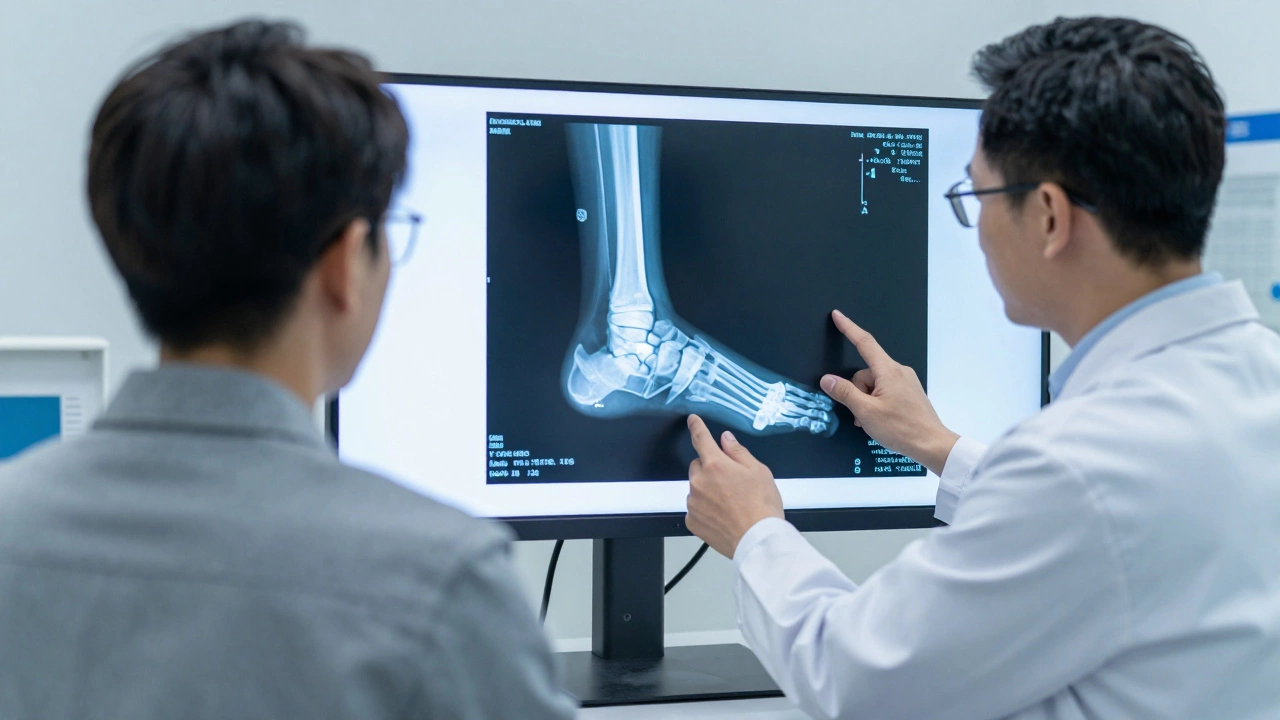
Which Doctor is Best for Bones? A Guide to Orthopedic Specialists
Confused about which bone doctor to visit? Learn the difference between orthopedic surgeons and rheumatologists to get the right treatment for your joints.
read more
Choosing the Best Specialist for Bone and Joint Care
Finding the right doctor for your bones and joints is crucial for effective treatment and recovery. Orthopedic doctors specialize in diagnosing and treating issues related to the musculoskeletal system. They assess conditions like arthritis, fractures, and sports injuries with precision. Understanding what to look for in an orthopedic specialist can help patients make informed choices and ensure better health outcomes.
read more