Ayurvedic Detox Plan Generator
In Ayurveda, your detox plan depends on your constitution. Answer these 3 questions to find your dominant Dosha and receive a customized cleansing strategy.
Dietary Focus
- Best Foods
- Avoid
Daily Rituals
*Consult an Ayurvedic practitioner before starting deep purification procedures like Panchakarma.
Do you feel heavy, sluggish, or mentally foggy even after a good night's sleep? In the modern world, we often reach for expensive juice cleanses or restrictive diets to "reset" our bodies. But thousands of years ago, Ayurveda is an ancient Indian system of medicine that focuses on balancing the body, mind, and spirit through diet, lifestyle, and herbal remedies. It offered a more profound solution. Unlike quick fixes that starve the body, an Ayurvedic detox works with your unique constitution to remove deep-seated toxins, known as Ama, and restore your natural vitality.
Detoxing in Ayurveda isn't just about what you eat; it’s about how you live. It involves preparing the body, eliminating waste, and then nourishing the tissues so they don’t fill up with toxins again. Whether you are dealing with chronic fatigue, digestive issues, or skin problems, understanding this holistic approach can change how you view health.
Understanding Ama: The Root of Toxins
Before diving into methods, you need to understand what you are trying to remove. In Ayurvedic terms, toxins are called Ama is undigested food matter and metabolic waste that accumulates in the body due to weak digestion. Think of Ama as sludge. When your digestive fire, or Agni, is low, food doesn't break down completely. This semi-digested waste sticks to the walls of your intestines and eventually clogs your channels, or Srotas.
If Ama stays in the gut, you might experience bloating, gas, or irregular bowel movements. If it moves to the joints, it causes inflammation and pain. If it reaches the skin, it shows up as acne or rashes. So, the first step of any detox is strengthening Agni. Without a strong digestive fire, no amount of cleansing will work because you’ll just create more Ama.
Daily Detox: Simple Habits for Modern Life
You don’t need to retreat to an ashram to start detoxing. Small, daily habits can keep Ama at bay and maintain clarity. These practices are gentle enough for anyone, regardless of their Dosha (body type).
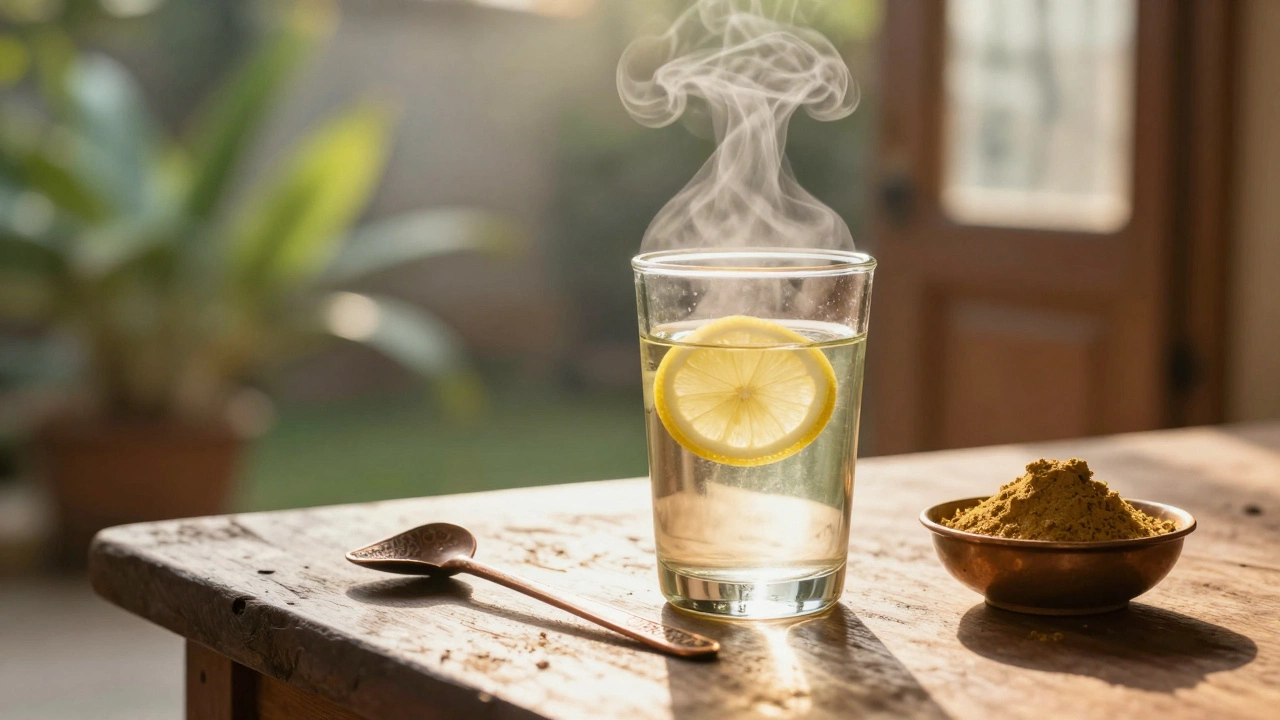
- Drink Warm Water: Cold water shocks the digestive system and dampens Agni. Start your day with a glass of warm water, perhaps with a squeeze of lemon. This helps liquefy Ama and encourages elimination.
- Tongue Scraping: Wake up with a coated tongue? That’s Ama sitting on your tongue from overnight digestion. Use a copper scraper to gently remove this layer before brushing your teeth. It improves taste perception and reduces bad breath.
- Eat Mindfully: Eat in a calm environment. Don’t scroll through your phone while eating. Chew each bite thoroughly. Your stomach produces less acid when you are stressed, leading to poor digestion.
- Align Meals with Circadian Rhythm: Make lunch your largest meal, usually between 12 PM and 2 PM, when your digestive fire is strongest. Keep dinner light and finish it at least three hours before bed.
The Five Stages of Panchakarma
For a deeper cleanse, Ayurveda offers Panchakarma is a comprehensive five-step detoxification therapy used to eliminate toxins from the body and restore balance. This is not a weekend workshop; it is a structured process that typically takes place under the guidance of an Ayurvedic practitioner. It consists of three phases: preparation, purification, and rejuvenation.
Phase 1: Preparation (Purvakarma)
You cannot clean a dirty floor without sweeping it first. Similarly, toxins are deeply embedded in the tissues. You must loosen them before they can be expelled. This phase includes:
- Snehana (Oleation): This involves internal and external oiling. Internally, you take ghee or medicated oils on an empty stomach. Externally, you massage your body with warm oil. This lubricates the channels and loosens the sticky Ama.
- Svedana (Sweating): After oiling, you induce sweating through steam baths or hot packs. Sweating opens the pores and pushes the toxins from the tissues toward the gastrointestinal tract.
Phase 2: Purification (Pradhan Karma)
Once the toxins are mobilized, they need to leave the body. There are five main procedures, but two are most common for general detox:
- Vamana (Therapeutic Emesis): Used primarily for Kapha imbalances. It induces vomiting to clear excess mucus from the lungs and upper GI tract.
- Virechana (Purgation): Used for Pitta imbalances. Herbal laxatives are taken to cleanse the liver, gallbladder, and small intestine.
- Basti (Medicated Enema): Considered the most important procedure for Vata imbalances. Herbs and oils are administered via the rectum to cleanse the colon and lower back.
Phase 3: Rejuvenation (Rasayana)
After purification, your body is like a freshly cleaned house. It’s vulnerable. This phase focuses on rebuilding tissue strength and immunity. You follow a specific diet, often starting with easily digestible foods like rice gruel (Kitchari), and gradually introduce nutrient-rich herbs like Ashwagandha or Shilajit.

Dietary Guidelines During Detox
What you eat during a detox is crucial. The goal is to give your digestive system a rest while providing essential nutrients. Here is a simple framework:
| Category | Foods to Include | Foods to Avoid |
|---|---|---|
| Grains | Basmati rice, Barley, Quinoa | Wheat, Corn, Oats (harder to digest) |
| Vegetables | Cooked leafy greens, Zucchini, Carrots, Pumpkin | Raw salads, Cruciferous veggies (broccoli/cauliflower) initially |
| Proteins | Mung dal (split yellow lentils), Tofu | Red meat, Heavy dairy, Eggs |
| Fruits | Stewed apples, Pears, Berries | Citrus fruits (too acidic), Tropical fruits (high sugar) |
| Spices | Ginger, Turmeric, Cumin, Fennel, Black pepper | Excessive chili, Vinegar, Fermented foods |
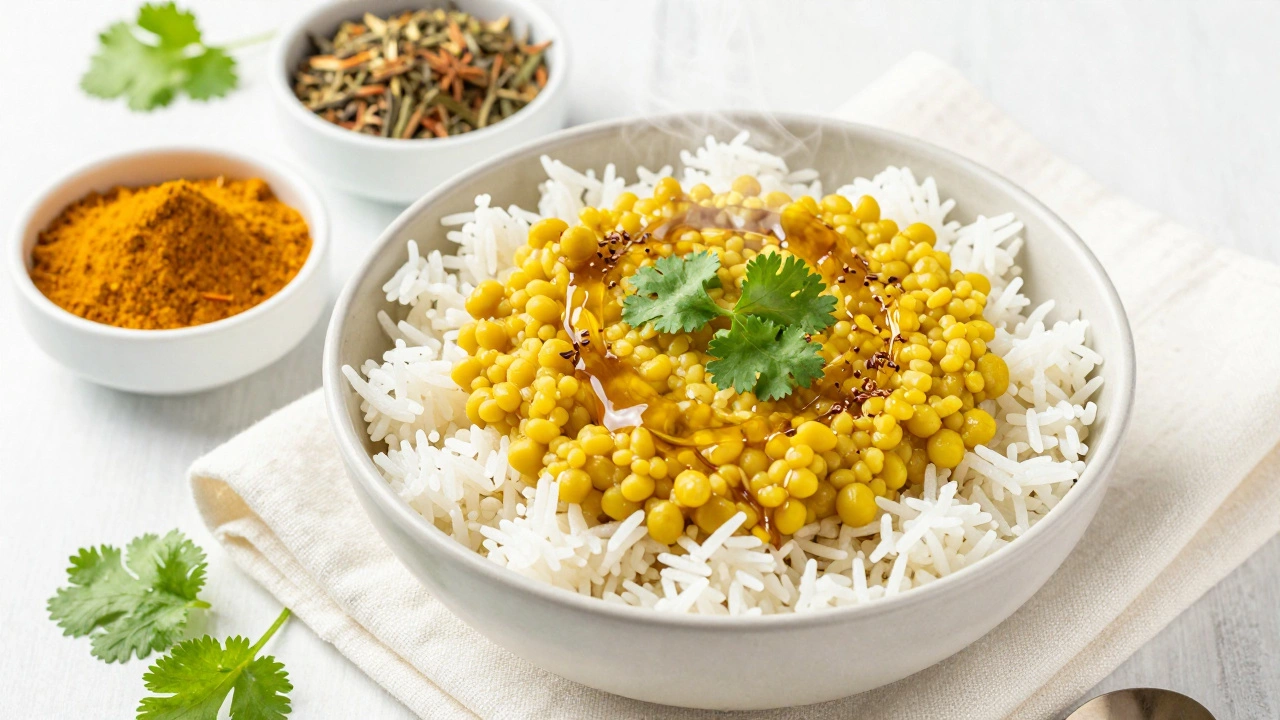
A staple of many Ayurvedic detoxes is Kitchari. This is a dish made from basmati rice and mung dal, cooked with spices like ginger, cumin, and turmeric. It is easy to digest, provides complete protein, and allows the gut to heal. Eating Kitchari for a few days can significantly reduce bloating and mental fog.
Herbal Support for Cleansing
Herbs play a supportive role in detoxification. They help stimulate Agni and protect the liver. However, always consult a practitioner before taking concentrated herbs, especially if you are pregnant or on medication.
- Trikatu: A blend of ginger, black pepper, and long pepper. It ignites digestive fire and clears congestion.
- Punarnava: Known for its diuretic properties, it helps reduce water retention and supports kidney function.
- Guduchi (Giloy): An immunomodulator that helps clear heat and toxins from the blood, particularly useful for Pitta types.
- Triphala: A combination of three fruits (Amalaki, Bibhitaki, Haritaki). It gently cleanses the colon and balances all three Doshas. Taking Triphala powder in warm water before bed is a classic nightly ritual.
Who Should Avoid Deep Detox?
While Ayurvedic detoxing is beneficial for many, it is not for everyone. Panchakarma procedures are intense and require significant energy. You should avoid deep detoxification if you are:
- Pregnant or breastfeeding
- Suffering from acute illness or fever
- Extremely weak or malnourished
- Going through major life stress or trauma
- Have severe heart conditions or uncontrolled hypertension
In these cases, stick to the daily habits mentioned earlier. Gentle cleansing is still possible without rigorous purification procedures.
Creating Your Personal Detox Plan
Your detox plan should align with your dominant Dosha. If you are Vata-prone (thin, anxious, irregular digestion), focus on warming, grounding foods and regular routines. If you are Pitta-prone (intense, fiery, prone to inflammation), choose cooling, hydrating foods and avoid excessive heat. If you are Kapha-prone (heavy, calm, sluggish), incorporate movement, spicy foods, and dry heat to stimulate metabolism.
Start small. Pick one habit, like drinking warm water in the morning, and do it for a week. Then add tongue scraping. Gradually build your practice. Consistency beats intensity every time in Ayurveda.
How long does an Ayurvedic detox last?
A mild dietary detox can last anywhere from 3 to 7 days. A full Panchakarma treatment, however, typically requires 21 to 40 days, including preparation, purification, and rejuvenation phases. The duration depends on your individual constitution and the severity of toxin accumulation.
Can I do Panchakarma at home?
You can perform some preparatory steps like self-massage (Abhyanga) and gentle sweating at home. However, the actual purification procedures (Vamana, Virechana, Basti) should only be done under the supervision of a qualified Ayurvedic doctor. Incorrect administration can lead to electrolyte imbalances or other complications.
What are the side effects of Ayurvedic detox?
Initially, you might experience fatigue, headaches, or increased bowel movements as toxins are released. This is often called a "healing crisis." These symptoms are usually temporary and subside within a few days. Severe pain, dizziness, or dehydration are signs that you should stop immediately and seek medical advice.
Is fasting part of Ayurvedic detox?
Traditional Ayurveda rarely advocates for complete water-only fasting for extended periods. Instead, it promotes "monodiet" fasting, where you eat only one easy-to-digest food like Kitchari or congee for several days. This gives the digestive system a rest without depriving the body of essential nutrients.
How often should I detox according to Ayurveda?
Ideally, a mild seasonal detox is recommended twice a year, typically in spring and autumn, when nature transitions between seasons. A full Panchakarma is usually suggested once every few years or as needed based on your health status and Dosha imbalance.

Write a comment