
Counseling vs. Therapy Assessment Tool
Select all the statements that resonate with your current situation. This tool provides a general recommendation based on common distinctions between counseling and therapy.
Assessment Result
Next Steps:
It’s 2 AM. Your mind is racing with thoughts about a mistake you made at work three days ago. You feel stuck in a loop of anxiety that won’t let go. You know something needs to change, but when you search for help online, you’re hit with two terms that seem identical yet distinct: counseling and therapy. Which one do you actually need? The confusion is real, and it stops many people from getting the support they deserve.
The truth is, while these terms are often used interchangeably in casual conversation, they represent different approaches, durations, and goals in professional mental health care. Understanding the distinction isn't just about semantics; it's about matching your specific problem with the right solution. If you have a specific life crisis, you might need counseling. If you are dealing with deep-seated trauma or personality patterns, therapy might be the better path. Let’s break down exactly what each offers so you can make an informed decision without the guesswork.
Defining the Core Differences: Counseling vs. Therapy
To understand which route to take, we first need to strip away the jargon. In the mental health industry, both counselors and therapists are licensed professionals trained to help you navigate emotional difficulties. However, their focus areas differ significantly.
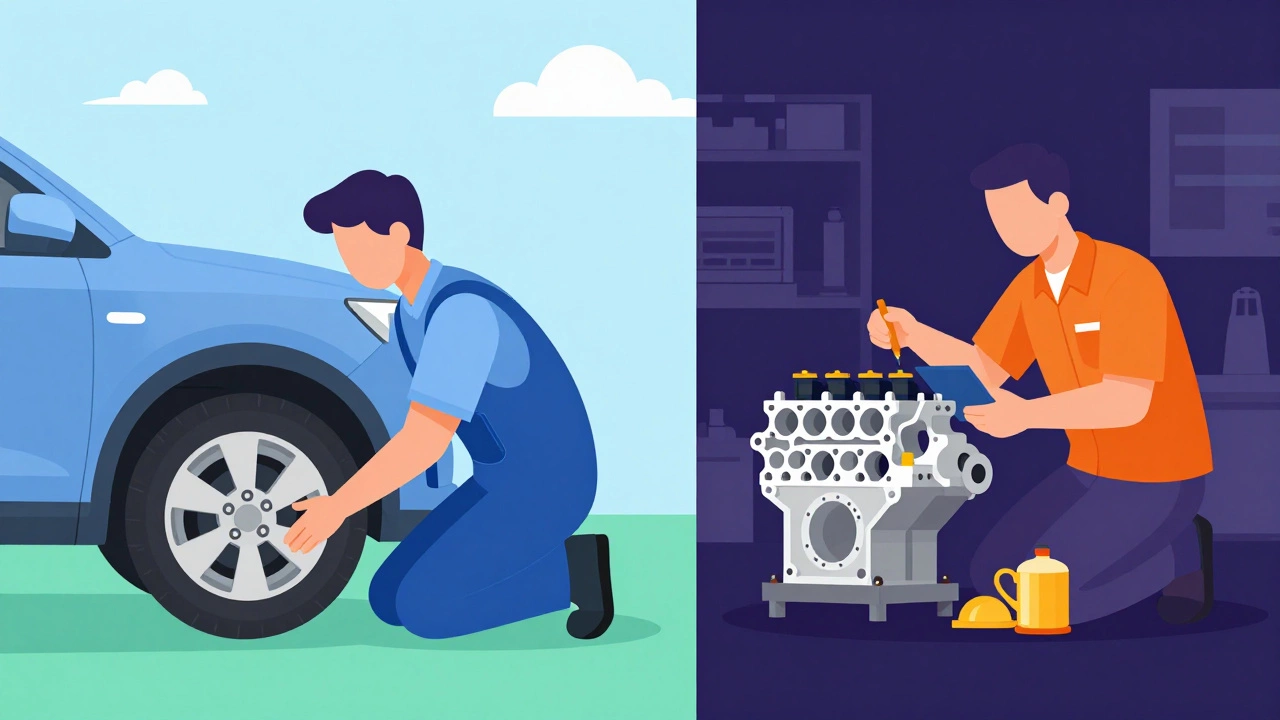
Counseling is typically short-term, focused on specific issues, and aimed at helping individuals develop coping strategies for current challenges. Think of it as a targeted intervention. It’s like going to a mechanic because your car has a flat tire. You want a quick fix, advice on how to drive better next time, and then you want to get back on the road. Counselors often use cognitive-behavioral techniques to help you manage stress, grief, relationship conflicts, or career transitions.
Psychotherapy, commonly referred to as therapy, is a deeper, often longer-term process designed to explore underlying causes of behavior, emotions, and mental health conditions. This is more like taking your car to an engineer to redesign the engine because it keeps overheating under pressure. Therapists dig into childhood experiences, unconscious patterns, and deep-rooted traumas. They work with conditions like major depressive disorder, bipolar disorder, PTSD, and complex personality disorders.
While there is overlap-many counselors have advanced degrees and can treat depression, and many therapists offer short-term solutions-the general rule of thumb remains: counseling is present-focused and solution-oriented; therapy is past-and-present focused and insight-oriented.
When Should You Choose Counseling?
Counseling is ideal when you are functioning relatively well but facing a specific hurdle that is disrupting your daily life. It is practical, structured, and goal-driven. Here are scenarios where counseling is usually the best fit:
- Acute Stress or Crisis: You’ve just lost a job, gone through a breakup, or experienced the death of a loved one. You need immediate tools to cope with grief and adjust to a new reality.
- Relationship Issues: Communication breakdowns with a partner, family conflict, or parenting struggles often benefit from couples or family counseling, which focuses on interaction patterns rather than individual pathology.
- Career Transitions: Feeling burnt out, unsure about your direction, or struggling with workplace dynamics? Career counseling helps clarify goals and build confidence.
- Addiction Recovery Support: While addiction treatment often involves therapy, counseling provides the ongoing accountability and skill-building needed to maintain sobriety in daily life.
In these cases, you aren’t necessarily looking to rewire your entire personality. You want to solve a problem. A counselor will help you identify triggers, develop healthy coping mechanisms, and create an action plan. Sessions might last anywhere from four to twelve weeks, depending on the complexity of the issue.
When Is Therapy the Better Option?
Therapy becomes necessary when the problem feels chronic, pervasive, or deeply embedded in who you are. If you find yourself repeating the same negative patterns in relationships, feeling consistently empty or anxious without a clear trigger, or struggling with symptoms that impair your ability to function, therapy is likely the answer.
Consider therapy if you are dealing with:
- Trauma and PTSD: Events like abuse, accidents, or combat exposure require specialized therapeutic modalities (like EMDR or Trauma-Focused CBT) to process memories safely.
- Chronic Mental Health Conditions: Depression, anxiety disorders, OCD, and bipolar disorder often require long-term management and deep exploration of thought patterns.
- Personality Disorders: Conditions like Borderline Personality Disorder involve complex emotional regulation issues that benefit from therapies like Dialectical Behavior Therapy (DBT).
- Deep-Seated Emotional Pain: If you feel stuck in a cycle of self-sabotage, low self-worth, or unresolved childhood wounds, therapy helps uncover and heal these roots.
Therapy is not just about fixing a symptom; it’s about understanding the 'why' behind the behavior. This process takes time. It might involve months or even years of regular sessions. The goal is lasting change, not just temporary relief.
| Attribute | Counseling | Therapy |
|---|---|---|
| Primary Focus | Present issues, specific problems | Underlying causes, deep patterns |
| Duration | Short-term (weeks to months) | Long-term (months to years) |
| Goal | Coping skills, problem-solving | Insight, personality growth, healing |
| Approach | Directive, structured, educational | Exploratory, collaborative, reflective |
| Best For | Stress, grief, life transitions | Trauma, chronic illness, personality disorders |
Navigating Credentials and Licensing
One of the biggest sources of confusion is the titles professionals use. In many regions, including India and the US, the terms are legally protected, but the requirements vary. It is crucial to check credentials regardless of whether someone calls themselves a counselor or a therapist.
In India, for example, a Clinical Psychologist typically holds a Master’s degree in Clinical Psychology (M.Phil or M.Sc) and is registered with the Rehabilitation Council of India (RCI). They are qualified to diagnose and treat mental disorders. A Counselor may hold a Master’s in Counseling Psychology or Social Work. While they provide excellent support for life adjustments, they may not be licensed to diagnose severe psychiatric conditions.
In the United States, look for licenses like LPC (Licensed Professional Counselor), LMFT (Licensed Marriage and Family Therapist), LCSW (Licensed Clinical Social Worker), or PsyD/PhD (Psychologists). All these professionals are trained to provide therapy, but their theoretical backgrounds differ. Always verify that your provider is licensed in your state or country. This ensures they have met rigorous educational and ethical standards.
How to Choose the Right Professional for You
Choosing between counseling and therapy is step one. Finding the right person is step two. The therapeutic alliance-the bond between you and your provider-is one of the strongest predictors of success in mental health treatment. Here is a practical checklist to guide your search:
- Define Your Goal: Are you seeking immediate relief from a specific stressor (counseling) or deep personal transformation (therapy)? Be honest with yourself.
- Check Specializations: Does the professional specialize in your specific issue? A therapist specializing in child development might not be the best fit for adult trauma.
- Consultation Calls: Most providers offer a free 15-minute consultation. Use this time to ask questions. Do you feel heard? Do you trust them? Chemistry matters.
- Ask About Modalities: What approach do they use? Cognitive Behavioral Therapy (CBT), Psychodynamic, Humanistic, or Integrative? Different modalities work better for different people.
- Logistics: Consider cost, location, and availability. Can you commit to weekly sessions? Is telehealth an option? Consistency is key to progress.
Don’t be afraid to switch providers if the fit isn’t right. It’s not a reflection of your worthiness; it’s part of the process. Many people see two or three professionals before finding the one who truly resonates with them.

The Role of Medication and Integrated Care
It’s important to note that neither counseling nor therapy replaces medical treatment when medication is needed. For severe depression, bipolar disorder, or schizophrenia, medication prescribed by a psychiatrist is often essential. Therapy and counseling work best when integrated with medical care. A holistic approach combines biological, psychological, and social interventions.
If you are unsure whether you need medication, start with a primary care physician or a psychiatrist for an evaluation. They can determine if your symptoms have a biological component that requires pharmaceutical intervention alongside talk therapy.
Overcoming Stigma and Taking the First Step
Despite growing awareness, stigma around mental health care persists. Many people fear being judged or labeled as 'weak' for seeking help. Remember, mental health is health. Just as you would see a doctor for a broken leg, seeing a counselor or therapist for a broken spirit is a sign of strength, not weakness.
In Bangalore, and across India, the conversation is shifting. More workplaces are offering Employee Assistance Programs (EAPs), and universities are integrating mental health services. Online platforms have also made access easier, allowing you to connect with professionals from the comfort of your home. The barrier is no longer just availability; it’s often our own hesitation.
Start small. You don’t have to have it all figured out. Book that initial consultation. Ask the question: "Do I need counseling or therapy?" And let the professional guide you based on your unique story. Your mental well-being is worth the investment.
Is counseling covered by insurance?
Coverage varies widely by provider and policy. In India, some corporate health plans include mental health coverage, while others do not. In the US, the Affordable Care Act mandates coverage for mental health services, but copays and network restrictions apply. Always check with your insurer to see if counseling or therapy is included and if pre-authorization is required.
Can a counselor prescribe medication?
Generally, no. Counselors and therapists are not medical doctors and cannot prescribe medication. Only psychiatrists, psychiatric nurse practitioners, and in some states, specially trained psychologists, can prescribe meds. If you need medication, your therapist can refer you to a psychiatrist for collaboration.
How long does therapy usually last?
There is no set timeline. Short-term therapy might last 12-20 sessions, focusing on specific goals. Long-term therapy can continue for months or years, especially for complex trauma or personality disorders. Progress is measured by improved functioning and quality of life, not just the number of sessions.
What is the difference between a psychologist and a therapist?
All psychologists are therapists, but not all therapists are psychologists. A psychologist holds a doctoral degree (PhD or PsyD) and is trained in psychological testing and diagnosis. A therapist is a broader term that includes licensed clinical social workers, marriage and family therapists, and professional counselors, who may have master’s degrees.
Is online therapy as effective as in-person therapy?
Research shows that online therapy can be just as effective as in-person sessions for many conditions, including anxiety and depression. It offers convenience and accessibility, especially for those in remote areas or with mobility issues. However, for severe crises or certain trauma-related disorders, in-person care may be preferred.

Write a comment