
Sustainable Weight Loss Habit Checker
Answer these questions honestly to see how aligned your current routine is with long-term success strategies.
Nutrition Quality
Movement & Activity
Mental Health & Recovery
Your Sustainability Score
Fill out the form to see how well your habits support long-term weight management.
Have you ever scrolled through social media and noticed that Kelly Clarkson looks completely different than she did a few years ago? It’s not just you. Over the last couple of years, the singer has undergone a dramatic physical transformation that has sparked endless speculation online. People are asking: Did she have surgery? Is it a new diet trend? Or is there something simpler going on?
The truth is rarely as complicated as the rumors suggest. While celebrities often keep their specific medical details private, the pattern of her change aligns with well-documented principles of sustainable weight management. This isn’t about a quick fix or a dangerous crash diet. It’s about understanding how metabolism, stress, and consistent habits interact over time.
If you’re looking for answers, this guide breaks down the likely factors behind her transformation and, more importantly, what we can learn from them for our own health journeys. We’ll look at the science of fat loss, the role of mental health, and why “secrets” are usually just consistency in disguise.
The Myth of the Overnight Fix
First, let’s address the elephant in the room: celebrity transformations are rarely overnight events. When someone like Kelly Clarkson drops a significant amount of weight, it usually happens over months or even years. The internet loves to compress timelines, making us think it happened between one album cover and the next. But biologically, safe fat loss is slow work.
Rapid weight loss often leads to muscle loss and a slowed metabolism, which makes keeping the weight off nearly impossible. Sustainable change requires a shift in daily behavior, not a single drastic event. If you’ve tried starving yourself to lose weight quickly, you know how hard it is to maintain. That’s because your body fights back against extreme deficits. The key to long-term success is creating a small, manageable calorie deficit that you can stick to for life, not just for summer.
Nutrition: Quality Over Quantity
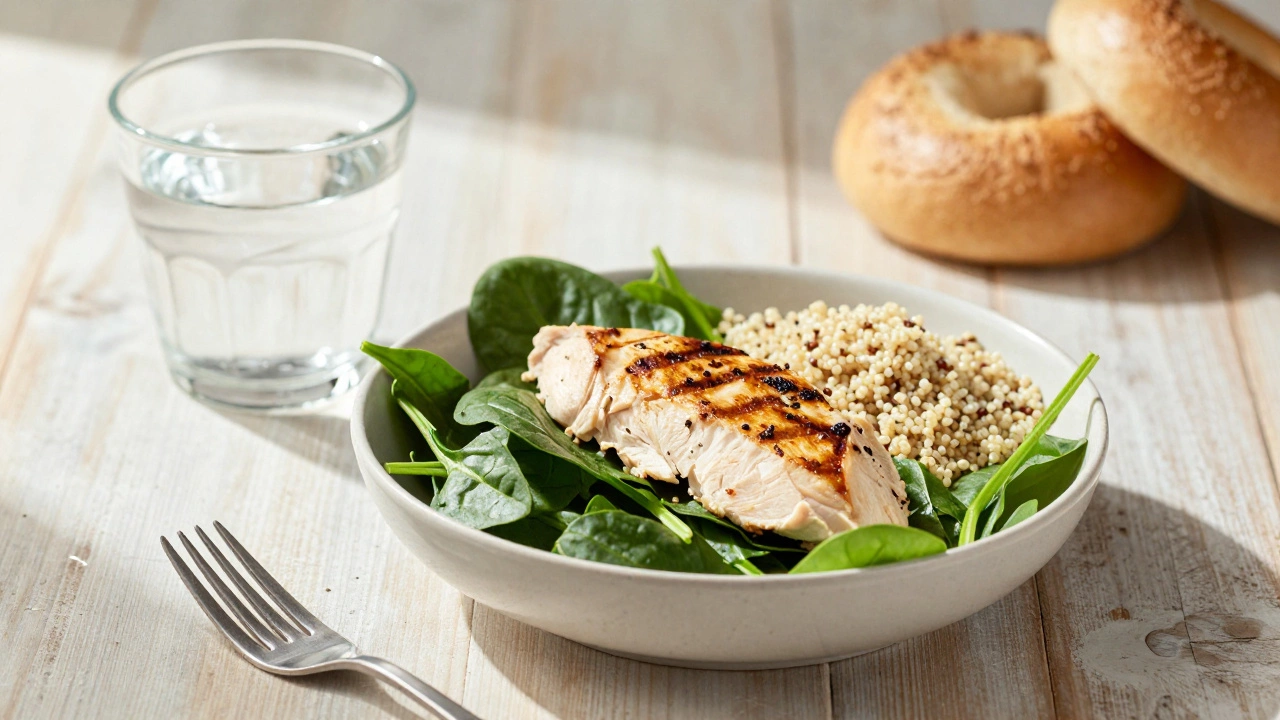
So, what does this look like in practice? Most experts agree that the foundation of any successful weight loss journey is nutrition. This doesn’t mean cutting out entire food groups or eating only kale. It means focusing on nutrient density. Foods that are high in protein, fiber, and healthy fats keep you fuller for longer and stabilize blood sugar levels.
Consider the difference between eating a bagel and eating eggs with spinach. Both might have similar calories, but the eggs provide protein that supports muscle maintenance and keeps your metabolism active. Protein is crucial here because building and maintaining lean muscle mass increases your resting metabolic rate. Essentially, your body burns more calories just existing when you have more muscle.
- Prioritize Protein: Aim for a source of lean protein (chicken, fish, tofu, beans) at every meal.
- Fiber is Your Friend: Vegetables and whole grains add volume to your meals without adding excessive calories.
- Hydration Matters: Sometimes thirst masks itself as hunger. Drinking water before meals can help control portion sizes naturally.
This approach removes the feeling of deprivation. You aren’t “dieting”; you’re simply choosing foods that fuel your body better. For someone with a demanding schedule like a touring musician, convenience also plays a huge role. Prepping simple, balanced meals ensures they don’t rely on fast food during busy days.
Movement: Consistency Beats Intensity
While nutrition drives most of the results, exercise plays a vital supporting role. You don’t need to train like an Olympic athlete to see changes. In fact, for many people, moderate, consistent movement is more effective than sporadic, intense workouts that lead to burnout or injury.
Strength training is particularly important. As mentioned earlier, muscle tissue is metabolically active. By incorporating resistance exercises-whether using weights, resistance bands, or bodyweight-you signal to your body that it needs to retain muscle while burning fat. This preserves your shape and prevents the “skinny fat” look that can accompany rapid weight loss.
Cardiovascular exercise, such as walking, running, or dancing, helps with heart health and creates a calorie deficit. However, the best exercise is the one you actually enjoy. If you hate running, don’t run. Try swimming, hiking, or yoga. The goal is to increase your Non-Exercise Activity Thermogenesis (NEAT)-the calories you burn through daily movement like walking around your house or taking the stairs. Small movements throughout the day add up significantly over time.
The Mental Health Connection
We cannot talk about weight loss without addressing the mind. Stress and sleep are two massive factors that influence weight. When you are stressed, your body produces cortisol, a hormone that can promote fat storage, particularly around the abdomen. High cortisol levels also increase cravings for sugary and fatty foods.
Sleep deprivation has a similar effect. When you don’t get enough rest, your hunger hormones go haywire. Ghrelin (the hunger hormone) increases, while leptin (the fullness hormone) decreases. This biological tug-of-war makes resisting junk food incredibly difficult. Prioritizing seven to nine hours of quality sleep is one of the most underrated weight loss strategies available.
Furthermore, the relationship with food matters. Orthorexia, or an unhealthy obsession with “clean” eating, can be just as harmful as disordered eating patterns. A healthy mindset involves flexibility. Allowing yourself occasional treats prevents binge-eating cycles and keeps the process enjoyable. Mental resilience is built by viewing setbacks as data points, not failures.
Medical Factors and Professional Guidance
It is also worth noting that sometimes weight changes are influenced by underlying medical conditions or medications. Thyroid issues, hormonal imbalances, or certain prescriptions can make weight loss harder or easier. If you are struggling despite doing everything “right,” consulting a healthcare provider is essential.
In recent years, medications like GLP-1 agonists (such as semaglutide) have gained popularity for weight management. These drugs help regulate appetite and blood sugar. While they can be effective tools under medical supervision, they are not magic bullets. They work best when combined with lifestyle changes. Without adjusting diet and activity levels, the weight often returns once the medication is stopped.
For most people, however, the answer lies in behavioral modification. Working with a registered dietitian or a certified personal trainer can provide personalized guidance. They help tailor plans to your specific body type, preferences, and lifestyle, removing the guesswork from the equation.
| Approach | Sustainability | Health Impact | Difficulty Level |
|---|---|---|---|
| Crash Diets | Low | Negative (Muscle loss) | High |
| Balanced Nutrition + Exercise | High | Positive (Improved metabolism) | Moderate |
| Medication-Assisted | Medium (Requires ongoing use) | Variable (Side effects possible) | Low to Moderate |
| Surgery (Bariatric) | High (With lifestyle changes) | Significant (Requires monitoring) | High |
Applying These Lessons to Your Life
You don’t need a team of trainers or chefs to transform your health. You need consistency, patience, and a focus on habits rather than outcomes. Start small. Add one glass of water a day. Take a ten-minute walk after dinner. Swap one processed snack for a piece of fruit. These micro-habits compound over time.
Remember that weight fluctuates daily due to water retention, salt intake, and digestion. Don’t obsess over the scale. Instead, pay attention to how your clothes fit, your energy levels, and your strength. These are better indicators of progress than a number on a scale.
The story behind any celebrity’s weight loss is ultimately a human story of discipline and self-care. It’s about making choices that support long-term vitality. Whether you are looking to lose ten pounds or fifty, the principles remain the same: eat nourishing foods, move your body regularly, manage stress, and prioritize sleep. There are no shortcuts, but the reward-a healthier, happier you-is worth the effort.
Did Kelly Clarkson have plastic surgery to lose weight?
There is no public confirmation that Kelly Clarkson underwent plastic surgery for weight loss. Her transformation appears to be the result of lifestyle changes, including diet and exercise. Plastic surgery can alter appearance but does not cause significant fat loss on its own.
What is the safest way to lose weight quickly?
Rapid weight loss is generally not recommended as it can lead to muscle loss and nutritional deficiencies. A safe rate of weight loss is 1-2 pounds per week. Focus on a balanced diet rich in protein and fiber, combined with regular physical activity and adequate sleep.
Can stress really cause weight gain?
Yes, chronic stress elevates cortisol levels, which can increase appetite and promote fat storage, particularly in the abdominal area. Managing stress through techniques like meditation, exercise, and proper sleep hygiene is crucial for weight management.
Is cardio or strength training better for weight loss?
Both are beneficial, but strength training is often superior for long-term body composition. It builds muscle, which boosts your resting metabolic rate, meaning you burn more calories even at rest. Cardio is excellent for heart health and burning calories during the activity.
Do weight loss medications work without diet changes?
Weight loss medications like GLP-1 agonists can help reduce appetite, but they are most effective when combined with dietary changes and increased physical activity. Without lifestyle adjustments, weight regain is common after stopping the medication.

Write a comment