
IVF Twin Probability & Recommendation Calculator
Estimate your likelihood of having twins and receive medical recommendations based on current ASRM guidelines for embryo transfer.
Results
You want a full house. Maybe you’ve heard stories of friends who had twins through In Vitro Fertilization is a fertility treatment where eggs are fertilized outside the body and implanted into the uterus, or maybe you just love the idea of raising siblings who share everything from birth. The question on your mind is simple: Can you pick twins with IVF?
The short answer is yes, but it comes with a heavy asterisk. While doctors can increase the odds of having multiples by transferring more than one embryo, most reproductive specialists today strongly advise against it. Why? Because carrying twins isn’t just "double the joy"-it’s double the risk for both mother and babies.
How IVF Creates the Chance for Twins
To understand how you might end up with twins, you have to look at what happens during an embryo transfer is the final step of IVF where one or more embryos are placed into the uterus. In a natural pregnancy, usually only one egg is released and fertilized at a time. With IVF, however, you control the number of embryos that enter the womb.
If your doctor transfers two embryos, and both implant successfully, you will have fraternal twins. These twins come from two separate eggs and two separate sperm. They are genetically no more similar than regular siblings, except they share the same birthday. This is called dizygotic twinning is a type of twin pregnancy resulting from two separate eggs fertilized by two separate sperm.
There is another way twins happen in IVF, though it is rarer. Sometimes, a single embryo splits after being transferred. This results in identical twins (monozygotic twinning is a type of twin pregnancy where one embryo splits into two genetically identical individuals). Doctors cannot predict or control this split. It happens randomly, and studies suggest the rate is slightly higher in IVF pregnancies than in natural ones, likely due to the manipulation of the embryo’s outer shell (zona pellucida) during lab procedures.
The Medical Shift: Why Doctors Say "No" to Twins
Twenty years ago, transferring two or even three embryos was standard practice. Clinics wanted to maximize success rates per cycle because IVF was expensive and not always successful. Today, the landscape has changed dramatically. The global trend is moving toward elective single embryo transfer (eSET) is the deliberate transfer of only one embryo during IVF to reduce the risk of multiple pregnancies.
Why the change? Because multiple pregnancies are considered a complication of IVF, not a benefit. Here is the reality check:
- Premature Birth: Over 50% of twin pregnancies result in preterm birth (before 37 weeks). Many twins are born between 34 and 36 weeks, missing out on crucial lung and brain development.
- Low Birth Weight: Twins often weigh less than 5.5 pounds at birth, which increases their risk for infections, breathing problems, and long-term developmental delays.
- Mother’s Health: Carrying twins puts immense strain on the mother’s body. The risk of gestational diabetes is a form of diabetes that develops during pregnancy in women who did not have diabetes before doubles. The risk of preeclampsia is a serious pregnancy condition characterized by high blood pressure and signs of damage to another organ system (high blood pressure) triples. C-section rates are significantly higher for twin deliveries.
- Neonatal Intensive Care: A stay in the NICU is stressful and expensive. Twin births are far more likely to require this care compared to singleton births.
Leading organizations like the American Society for Reproductive Medicine (ASRM) and the European Society of Human Reproduction and Embryology (ESHRE) recommend single embryo transfer for most women under 35-38 with a good prognosis. If you are older or have lower-quality embryos, the advice might differ, but the goal remains: avoid multiples if possible.
What If You Already Have Twins? Selective Reduction
Let’s say you transferred two embryos, and both took hold. Now you are pregnant with triplets or twins when you only wanted one. Or perhaps you wanted twins, but the risks are too high. This leads to a difficult procedure known as selective reduction is a medical procedure to reduce the number of fetuses in a multiple pregnancy to improve outcomes for the remaining fetus(es).
Selective reduction involves terminating one or more fetuses in a multiple pregnancy to decrease the health risks to the mother and the surviving babies. It is typically performed between 10 and 12 weeks of pregnancy using a needle injection of potassium chloride into the heart of the selected fetus.
This is an emotionally charged decision. Some couples choose reduction to save the other babies from prematurity. Others feel it is heartbreaking to lose a child. There is no right or wrong answer, but it is a stark reminder that "picking" twins isn't as clean as checking a box. It often involves managing a crisis rather than planning a gift.
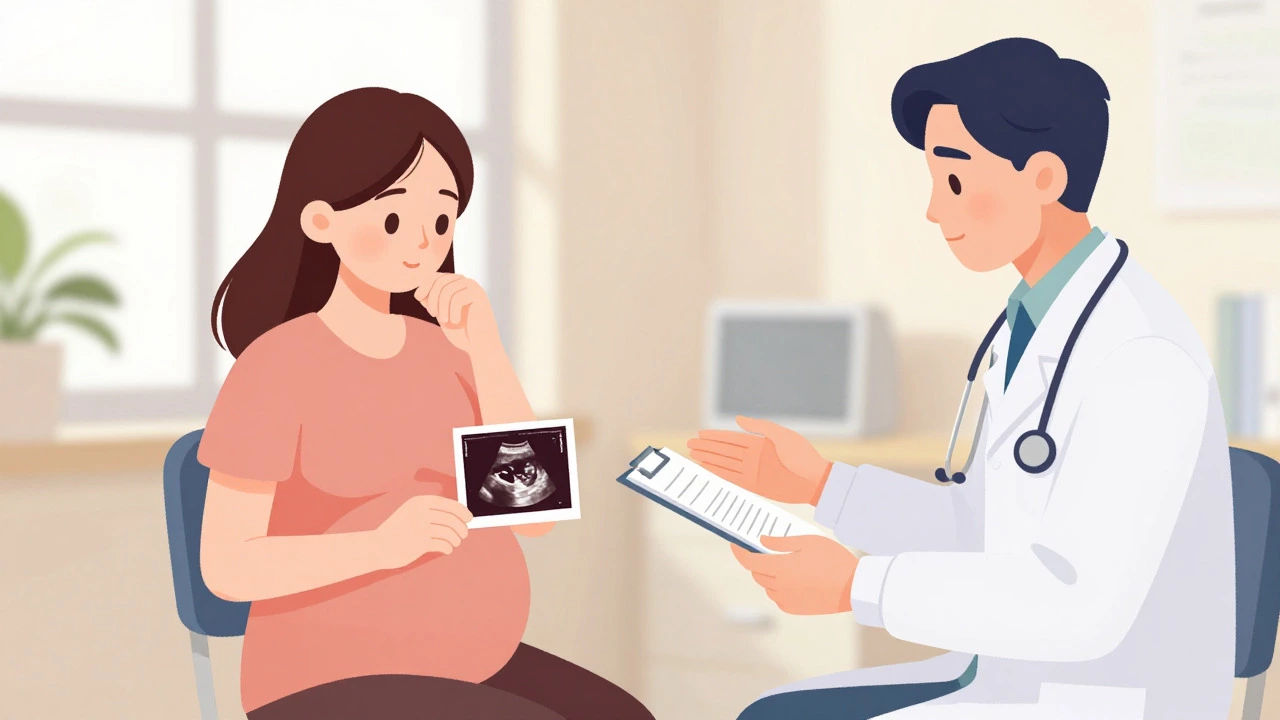
When Might Transferring Two Embryos Make Sense?
Despite the push for single embryo transfers, there are scenarios where doctors might suggest transferring two embryos. It is not about "wanting twins," but about balancing the chance of any pregnancy against the risks of multiples.
| Patient Profile | Typical Recommendation | Reasoning |
|---|---|---|
| Woman under 35, first IVF cycle, good quality embryos | Single Embryo Transfer (SET) | High chance of success with one embryo; minimizes twin risk. |
| Woman over 38-40, previous failed cycles | May consider Double Embryo Transfer (DET) | Lower individual embryo viability; need to boost overall success rate. |
| Frozen Embryo Transfer (FET) | Single Embryo Transfer (SET) | Frozen embryos often have higher implantation rates; uterus is well-prepared. |
| Day 5 Blastocysts vs. Day 3 Cleavage-stage | Blastocysts favor SET | Blastocysts are further developed and more likely to implant; Day 3 embryos are less predictable. |
If you are in a higher-risk category (older age, poor ovarian reserve), your doctor might explain that transferring two embryos gives you a better shot at *any* baby. In these cases, twins are a side effect of trying to overcome low odds, not a primary goal.
The Cost Factor: Are Twins Cheaper?
Some people think having twins via IVF is cost-effective. "One cycle, two babies!" sounds like a bargain. But let’s look at the math.
An IVF cycle costs money. So does prenatal care. But compare the cost of one healthy singleton pregnancy to a twin pregnancy that results in premature birth. The NICU bills can run into hundreds of thousands of dollars. Even without NICU stays, you are buying twice the diapers, formula, strollers, and car seats immediately. And don’t forget the impact on your career. Taking maternity leave for two babies who may need extra care can mean lost income.
Furthermore, if the twin pregnancy fails or requires reduction, you have emotionally and financially invested in a cycle that didn’t yield the desired outcome. Single embryo transfer, while it might require a second frozen embryo transfer later, often leads to healthier outcomes and lower total lifetime costs associated with childcare and medical issues.

Genetic Testing and PGT-A
A major reason why single embryo transfers have become safer and more common is Preimplantation Genetic Testing for Aneuploidy (PGT-A) is a test performed on embryos to check for chromosomal abnormalities. Before transferring an embryo, doctors can biopsy a few cells and test them for the correct number of chromosomes.
Only "euploid" (chromosomally normal) embryos are transferred. Since these embryos have a much higher chance of implanting (often 60-70% per transfer depending on age), you don’t *need* to transfer two to get pregnant. You can confidently transfer one. This technology has decoupled "success rate" from "multiple pregnancy risk."
If you are considering IVF specifically to have twins, ask your clinic about their PGT-A policies. If they don’t offer genetic screening, they might be relying on older methods where transferring two embryos was necessary to ensure at least one stuck. Modern clinics with PGT-A should discourage twin transfers unless medically indicated.
Emotional Preparation for Multiples
Finally, consider the lifestyle shift. Raising twins is not just harder; it is different. You lose the ability to give undivided attention to either child in the early years. Sleep deprivation is intensified. Social outings become logistical nightmares. While many parents adore their twins, burnout is real.
If your heart is set on twins, discuss this openly with your reproductive endocrinologist. Be prepared for them to counsel you against it. If they agree to transfer two embryos, make sure you understand the specific risks based on your age and health history. Sign informed consent forms that detail the likelihood of prematurity and NICU admission.
Remember, the goal of IVF is a healthy baby and a healthy mother. Twins can absolutely fit into that picture, but they should be a welcome surprise or a carefully weighed choice, not a default strategy.
Can you choose identical twins with IVF?
No, you cannot choose identical twins. Identical twins occur when a single embryo splits spontaneously after transfer. This is a random event that doctors cannot predict or control. The only way to influence twinning is by transferring multiple embryos, which results in fraternal (non-identical) twins.
Is it safe to transfer two embryos?
It depends on your age and embryo quality. For women under 35 with high-quality blastocysts, transferring two embryos significantly increases the risk of twins without substantially improving the overall success rate compared to transferring one. For older women or those with fewer viable embryos, transferring two may be recommended to increase the chance of any pregnancy, accepting the higher risks.
What is selective reduction?
Selective reduction is a procedure used to reduce the number of fetuses in a multiple pregnancy (e.g., from triplets to twins, or twins to a singleton). It is performed to reduce health risks to the mother and remaining babies. It is an emotional and medical decision usually made when the risks of carrying multiples are deemed too high.
Does IVF increase the chance of identical twins?
Yes, slightly. Studies show that the rate of monozygotic (identical) twinning is higher in IVF pregnancies compared to natural conceptions. This may be related to laboratory manipulations of the embryo, such as assisted hatching or intracytoplasmic sperm injection (ICSI), but the exact cause is not fully understood.
Should I do a single embryo transfer if I want twins?
If you strongly desire twins, you should discuss a double embryo transfer with your doctor, understanding the risks. However, most doctors will recommend single embryo transfer (SET) first because it leads to healthier outcomes. If you have spare frozen embryos, you could potentially do a SET now and try again later, avoiding the immediate health risks of a twin pregnancy.

Write a comment