Metformin Safety & Dosage Checker
Assessment Results
Metformin is the first-line treatment for type 2 diabetes for millions of people worldwide. It works wonders by lowering blood sugar levels without causing weight gain or dangerous hypoglycemia on its own. But if you’ve been prescribed this medication, you’ve likely heard the whispers: "Is it hard on your kidneys?" or "Does it hurt your liver?" The short answer is nuanced. Metformin itself isn’t toxic to most organs, but it interacts with them in specific ways that require attention.
The confusion usually stems from how the body processes the drug and what happens when an organ isn't functioning at 100%. Understanding which organ is affected by metformin metabolism and potential side effects helps you take the medication safely. Let’s break down the reality behind the myths, focusing on the kidneys, liver, stomach, and even your brain.
The Kidney Connection: Excretion vs. Damage
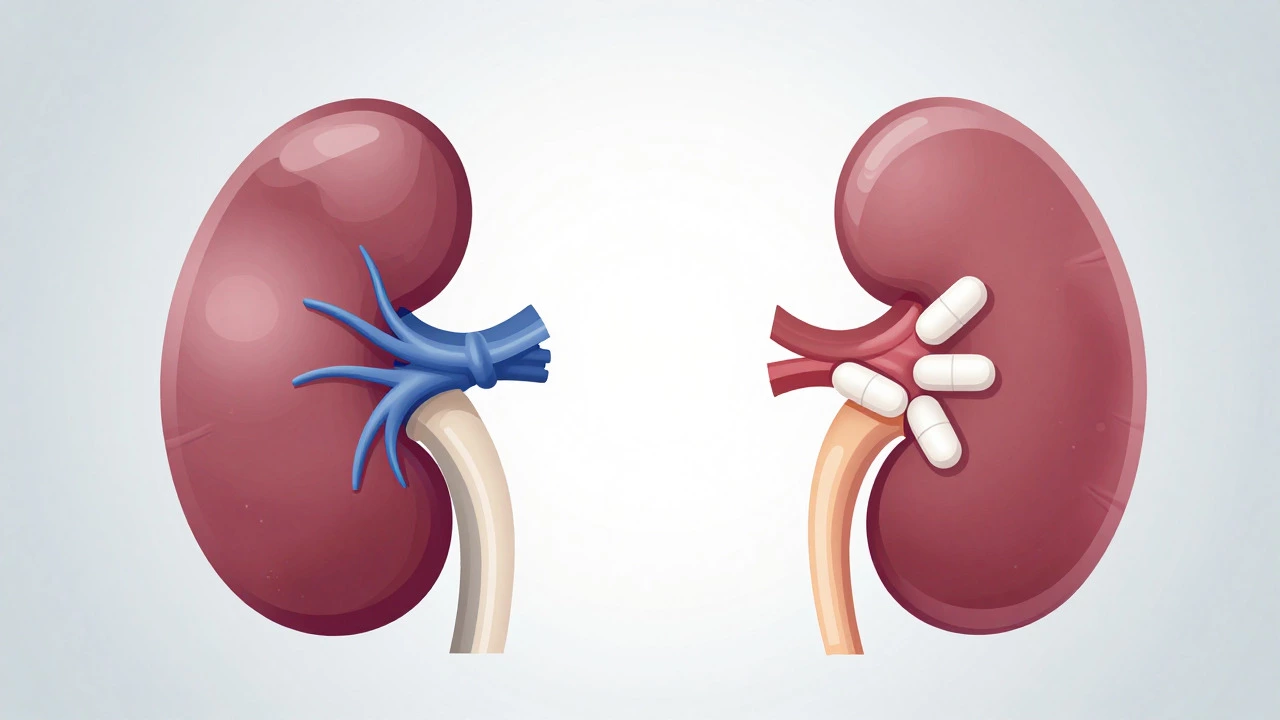
The biggest concern regarding metformin involves the kidneys organs responsible for filtering waste from blood. Here is the critical distinction: Metformin does not typically cause kidney damage. Instead, damaged kidneys can cause problems because they struggle to clear metformin from your system.
When you take metformin, your kidneys filter it out unchanged in your urine. If your kidney function is normal, the drug leaves your body efficiently. However, if you have chronic kidney disease (CKD) or acute kidney injury, the drug can build up to toxic levels. This accumulation leads to a rare but serious condition called lactic acidosis a buildup of lactic acid in the bloodstream.
| eGFR Level (mL/min/1.73 m²) | Kidney Status | Metformin Recommendation |
|---|---|---|
| >60 | Normal/Mildly Reduced | Safe to use standard doses |
| 45-59 | Moderately Reduced | Continue use; monitor kidney function regularly |
| 30-44 | Significantly Reduced | Reduce dose (usually by 50%); assess benefits vs. risks |
| <30 | Severely Reduced | Contraindicated (stop use) |
Your doctor will check your estimated glomerular filtration rate (eGFR) before prescribing metformin and periodically after. If your eGFR drops below 45, they might lower your dose. If it falls below 30, you’ll likely switch to a different medication like insulin or a GLP-1 agonist. So, while metformin isn’t "hard" on healthy kidneys, relying on it with failing kidneys is risky.
The Liver: A Minor Role in Metabolism
Unlike many drugs that are broken down heavily by the liver, metformin passes through the liver largely unchanged. It doesn’t undergo significant hepatic metabolism. This means that mild to moderate liver impairment usually doesn’t require a dose adjustment for metformin.
However, severe liver disease changes the picture. The liver plays a key role in clearing lactate from the blood. If your liver is struggling due to conditions like hepatitis, cirrhosis, or heavy alcohol use, it may not process lactate effectively. Since metformin slightly increases lactate production in the intestines and muscles, combining this with poor liver clearance raises the risk of lactic acidosis.
If you have liver disease, your healthcare provider will weigh the benefits of blood sugar control against this theoretical risk. For most people with healthy livers, metformin poses no threat. In fact, some studies suggest metformin might even protect the liver from fatty liver disease progression, though more research is needed.
The Stomach and Gut: The Most Common Culprit
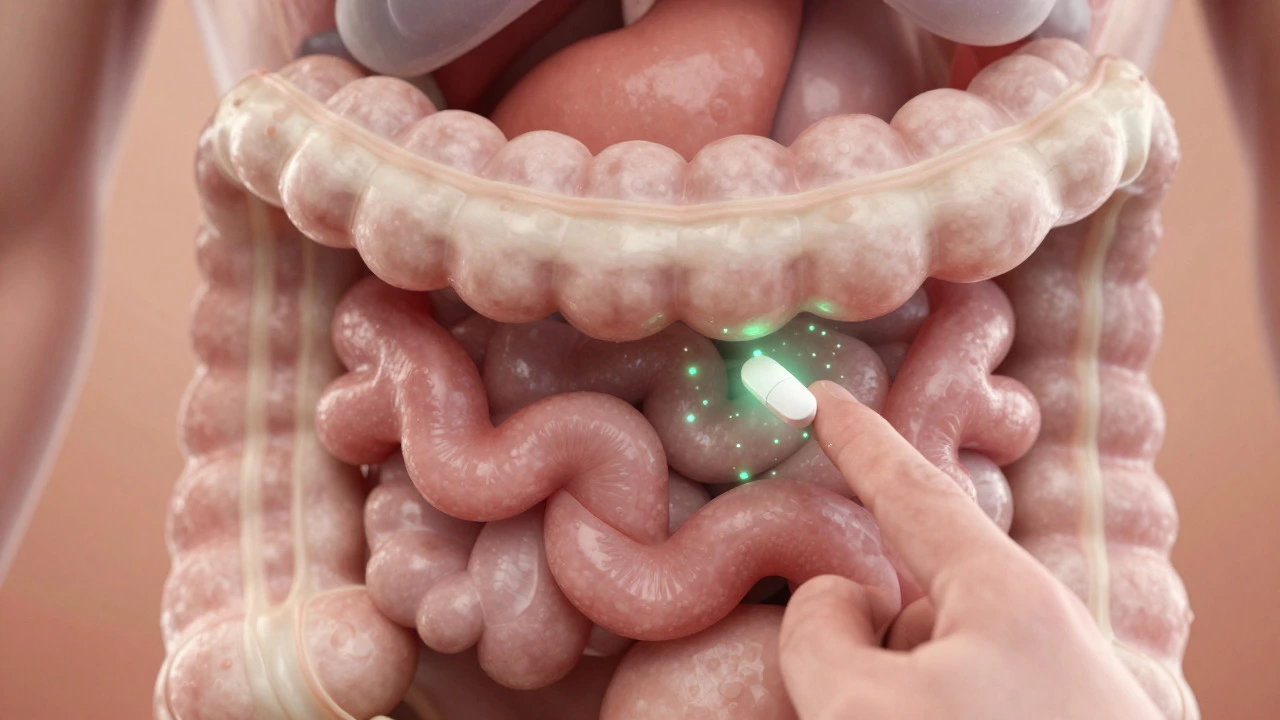
If there is one organ that feels the immediate impact of metformin, it’s your gastrointestinal tract system including stomach and intestines. Up to 20-30% of patients experience gastrointestinal side effects, especially when starting the medication or increasing the dose.
You might notice nausea, diarrhea, bloating, gas, or abdominal discomfort. These symptoms occur because metformin alters the gut microbiome and increases the secretion of glucagon-like peptide-1 (GLP-1), which slows down gastric emptying. While these side effects are annoying, they aren’t usually dangerous or permanent.
To minimize stomach upset, try these strategies:
- Take with food: Never take metformin on an empty stomach. A meal buffers the effect on your gut lining.
- Start low, go slow: Doctors often start with 500mg once a day, gradually increasing over weeks.
- Switch formulations: If immediate-release metformin causes too much trouble, ask about extended-release (ER) versions. They dissolve slowly, reducing peak concentration in the gut.
For most people, these GI symptoms fade after a few weeks as the body adjusts. If they persist, don’t just stop taking the drug-talk to your doctor about alternatives.
Vitamin B12 Deficiency: An Indirect Impact
While not an "organ" in the traditional sense, long-term metformin use affects nutrient absorption in the small intestine. Specifically, it can interfere with the uptake of Vitamin B12. Studies show that up to 30% of patients on metformin for four years or more develop low B12 levels.
Low B12 can lead to anemia and nerve damage (peripheral neuropathy). Symptoms include tingling in hands and feet, fatigue, and cognitive fog. This is why annual blood tests for B12 are recommended for anyone on long-term metformin therapy. Supplementing with B12, either orally or via injection, easily resolves this issue.
Lactic Acidosis: The Rare but Serious Risk
We mentioned lactic acidosis earlier, but it deserves its own section because it’s the primary reason metformin carries warnings. Lactic acidosis is a medical emergency where lactic acid builds up faster than the body can remove it. Symptoms include muscle pain, trouble breathing, unusual sleepiness, slow heart rate, and feeling cold.
This condition is extremely rare, occurring in less than 1 in 100,000 patient-years. It almost always happens in people with underlying health issues that impair oxygen delivery or organ function. Risk factors include:
- Severe kidney disease (eGFR <30)
- Severe liver disease
- Heart failure or recent heart attack
- Heavy alcohol consumption
- Dehydration or sepsis
- Contrast dye used in certain X-rays or CT scans
If you need a contrast scan, tell your radiologist you’re on metformin. They may ask you to pause the medication for 48 hours after the procedure until your kidney function is rechecked.

Myths About Other Organs
The Heart: Contrary to old fears, metformin is generally heart-healthy. It has been associated with reduced cardiovascular events in diabetic patients. It doesn’t strain the heart unless lactic acidosis occurs.
The Brain: Metformin doesn’t directly harm the brain. In fact, researchers are studying it for potential neuroprotective benefits against Alzheimer’s and dementia. Any cognitive issues are more likely linked to untreated high blood sugar or B12 deficiency.
The Pancreas: Metformin doesn’t stress the pancreas. Unlike sulfonylureas, which force the pancreas to pump out more insulin, metformin improves insulin sensitivity in muscles and the liver, allowing the pancreas to work less hard.
How to Stay Safe on Metformin
Taking metformin safely comes down to monitoring and communication. Here is your checklist:
- Get regular blood tests: Check HbA1c every 3-6 months, kidney function (eGFR) annually (or more often if you have CKD), and B12 levels annually.
- Stay hydrated: Dehydration stresses the kidneys and increases the risk of drug buildup.
- Limit alcohol: Heavy drinking increases lactic acid production and strains the liver.
- Report symptoms: Tell your doctor if you experience persistent diarrhea, unexplained muscle pain, or extreme fatigue.
- Inform all providers: Make sure dentists, surgeons, and radiologists know you take metformin before any procedures involving fasting or contrast dye.
Metformin remains one of the safest and most effective diabetes medications available. By understanding how it interacts with your kidneys, liver, and gut, you can manage side effects proactively and enjoy the long-term benefits of stable blood sugar control.
Does metformin cause permanent kidney damage?
No, metformin does not directly cause permanent kidney damage. It is excreted by the kidneys, so if kidney function declines significantly, the drug can build up and become toxic. However, stopping the medication when kidney function drops prevents further harm. Regular monitoring of eGFR ensures safe usage.
Can I drink alcohol while taking metformin?
Moderate alcohol consumption is generally safe, but heavy drinking should be avoided. Alcohol increases lactic acid production and can strain the liver, raising the risk of lactic acidosis, a rare but serious side effect of metformin. Limit intake to one drink per day for women and two for men.
Why does metformin cause diarrhea?
Metformin alters the gut microbiome and increases the secretion of GLP-1, which slows digestion. This can lead to loose stools, gas, and bloating. Taking the medication with food or switching to the extended-release version often reduces these gastrointestinal side effects.
Should I stop metformin before a CT scan with contrast?
Often, yes. Contrast dye can temporarily affect kidney function. If your kidneys don't filter well right after the scan, metformin could build up. Doctors typically advise stopping metformin 48 hours after the procedure and restarting only after confirming kidney function is normal.
Does metformin affect liver enzymes?
Metformin is not metabolized by the liver, so it rarely causes direct liver enzyme elevation. However, in patients with severe liver disease, the risk of lactic acidosis increases because the liver cannot clear lactate effectively. Mild liver issues usually do not require dose adjustments.

Write a comment