Medical Travel Nutrition Planner
Select the food groups you plan to include in your daily meals during your medical trip. We will generate a recovery score and personalized tips.
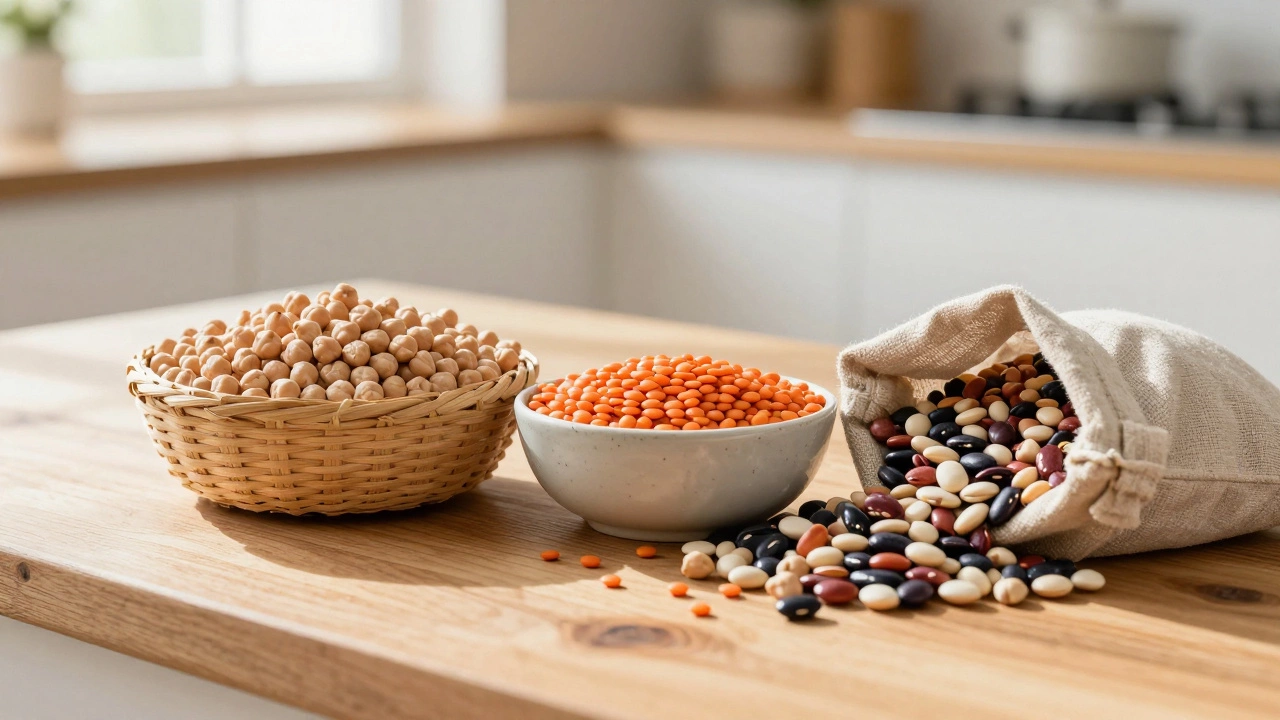
Legumes
Chickpeas, LentilsLeafy Greens
Spinach, KaleFatty Fish
Salmon, MackerelBerries
Blueberries, RaspberriesOlive Oil
Extra VirginFermented Foods
Yogurt, KimchiRecovery Score
Based on nutritional completeness
Your Personalized Recommendations
You have likely seen the headlines. Every few months, a new study claims to have found the ultimate superfood. One week it is blueberries; the next, it is kale or salmon. If you are traveling for medical tourism, your relationship with food changes completely. You are not just eating to survive; you are eating to heal. Your body is under stress from travel, surgery, or intensive treatments. The question of what constitutes the number one healthiest food becomes critical for your recovery and long-term wellness.
There is no single magic bullet. However, when we look at global longevity data, particularly from regions like Okinawa, Japan, and Sardinia, Italy-places famous for their high concentration of centenarians-one food group consistently rises to the top: legumes, specifically chickpeas and lentils. But before we get into the nitty-gritty of beans, let us address why your location matters so much when you are seeking optimal health abroad.
The Myth of the Single Superfood
We love simplicity. We want to buy one pill or eat one specific vegetable and be cured of all ailments. This mindset is dangerous, especially in the context of medical tourism. When you fly thousands of miles for a procedure, your body enters a state of shock. Jet lag disrupts your circadian rhythm. Dehydration sets in. If you then focus on only one "superfood," you miss out on the synergistic effects of a balanced diet.
Nutrition science has moved away from isolating nutrients. Instead, experts now look at food matrices. A tomato is healthy, but tomatoes cooked with olive oil and basil provide better lycopene absorption than raw tomatoes alone. The combination creates a greater effect than the sum of its parts. This is why looking for a single "number one" food is often a dead end. You need a pattern of eating, not a product.
That said, some foods are denser in nutrients than others. They offer more vitamins, minerals, and fiber per calorie. These are the candidates for the title of the healthiest food. But which one wins?
The Case for Legumes: The Global Longevity Secret
If you analyze the diets of the world's longest-lived populations, legumes appear in almost every list. In Okinawa, red adzuki beans are a staple. In Sardinia, fava beans and chickpeas are eaten daily. These cultures do not just live longer; they live healthier lives with lower rates of chronic disease.
Why legumes? They are a powerhouse of plant-based protein and fiber. Fiber is crucial for gut health, which is increasingly linked to immune function and mental health. Protein is essential for tissue repair, making it vital for anyone recovering from surgery. Unlike animal proteins, legumes come with zero cholesterol and low saturated fat. They also have a low glycemic index, meaning they release energy slowly and keep blood sugar stable. This stability reduces inflammation, a key driver of many chronic diseases.
Chickpeas, for example, are incredibly versatile. You can roast them, blend them into hummus, or add them to soups. Lentils cook quickly and are packed with iron and folate. For a medical tourist, these foods are easy to find globally. Whether you are in Bangkok, Istanbul, or Mexico City, you will find local variations of legume dishes that are affordable and nutritious.
Other Contenders for the Top Spot
While legumes lead the pack in terms of longevity correlation, other foods deserve mention. Each offers unique benefits that might make them the "number one" food for specific health goals.
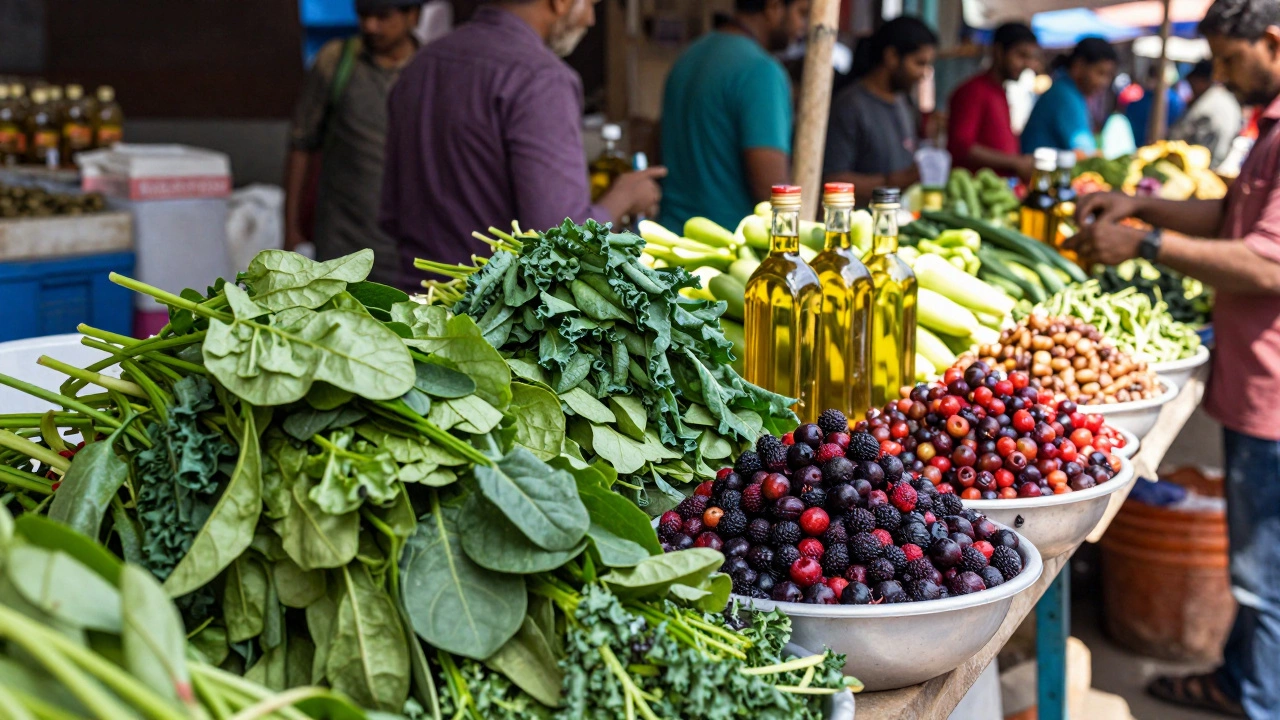
- Leafy Greens are nutrient-dense vegetables like spinach, kale, and Swiss chard that are rich in vitamins K, A, and C, as well as magnesium and calcium. They are anti-inflammatory and support bone health.
- Fatty Fish are oily fish such as salmon, mackerel, and sardines that are high in omega-3 fatty acids. Omega-3s are critical for brain health and reducing cardiovascular risk.
- Berries are small fruits like blueberries, strawberries, and raspberries that are packed with antioxidants. Antioxidants combat oxidative stress, which damages cells over time.
- Olive Oil is a staple of the Mediterranean diet, rich in monounsaturated fats and polyphenols. It supports heart health and has potent anti-inflammatory properties.
Notice a theme? These foods are whole, unprocessed, and naturally occurring. They are not manufactured in a lab. They are part of traditional diets that have sustained humans for centuries.
Nutrition in the Context of Medical Tourism
When you travel for healthcare, your dietary needs shift. Pre-surgery, you may need to avoid certain foods that increase bleeding risk, such as excessive garlic or ginkgo biloba. Post-surgery, you need nutrient-dense foods to fuel healing. Legumes fit this bill perfectly because they are gentle on the stomach (if prepared correctly) and provide the building blocks for repair.
However, navigating foreign cuisines can be tricky. You might be tempted by street food or unfamiliar ingredients. This is where research comes in. Know the local names for healthy staples. In India, dal (lentil soup) is a daily staple. In Thailand, tofu and bean sprouts are common. In Turkey, lentil soup (mercimek çorbası) is a comfort food. By knowing these options, you can maintain a healthy diet even when you are far from home.
Hydration is another critical factor. Travel dehydrates you. Surgery dehydrates you. Drink plenty of water. Avoid sugary drinks and excessive alcohol. Alcohol interferes with medication and slows down healing. Stick to water, herbal teas, and natural broths.
| Food Group | Key Nutrients | Primary Benefit | Availability Abroad |
|---|---|---|---|
| Legumes (Chickpeas, Lentils) | Protein, Fiber, Iron | Gut health, Blood sugar control | High (Global staple) |
| Leafy Greens | Vitamins K, A, C | Anti-inflammatory, Bone health | Medium (Seasonal) |
| Fatty Fish | Omega-3 Fatty Acids | Brain health, Heart health | Medium (Coastal areas) |
| Berries | Antioxidants | Cell protection, Immune support | Low (Imported/Expensive) |
Practical Tips for Eating Well While Traveling
Knowing what to eat is half the battle. Knowing how to access it is the other half. Here are some practical steps to ensure you stay on track with your health goals while abroad.
- Plan Ahead: Research local markets and grocery stores near your accommodation. Fresh produce is often cheaper and higher quality in local markets than in supermarkets.
- Learn Key Phrases: Learn how to say "no salt," "no sugar," and "vegetarian" in the local language. This helps you communicate your dietary needs clearly.
- Choose Whole Foods: Prioritize meals that feature recognizable ingredients. A plate of grilled chicken with rice and vegetables is safer than a complex stew with unknown spices.
- Stay Hydrated: Carry a reusable water bottle. Refill it with filtered or bottled water. Avoid ice cubes if you are unsure of the water source.
- Listen to Your Body: If a food makes you feel sluggish or bloated, stop eating it. Your body knows best.
It is also worth noting that cultural attitudes toward food vary. In some countries, large portions are a sign of hospitality. Do not feel pressured to finish everything on your plate. It is okay to leave food behind if you are full. Your health comes first.
For those traveling to destinations like Almaty, Kazakhstan, where medical tourism is growing, finding reliable resources can be helpful. While focusing on your health regimen, you might also encounter various local services; for instance, some travelers use platforms like this directory to navigate local listings, though your primary focus should remain on your medical and nutritional well-being during your stay.
The Role of Gut Health in Recovery
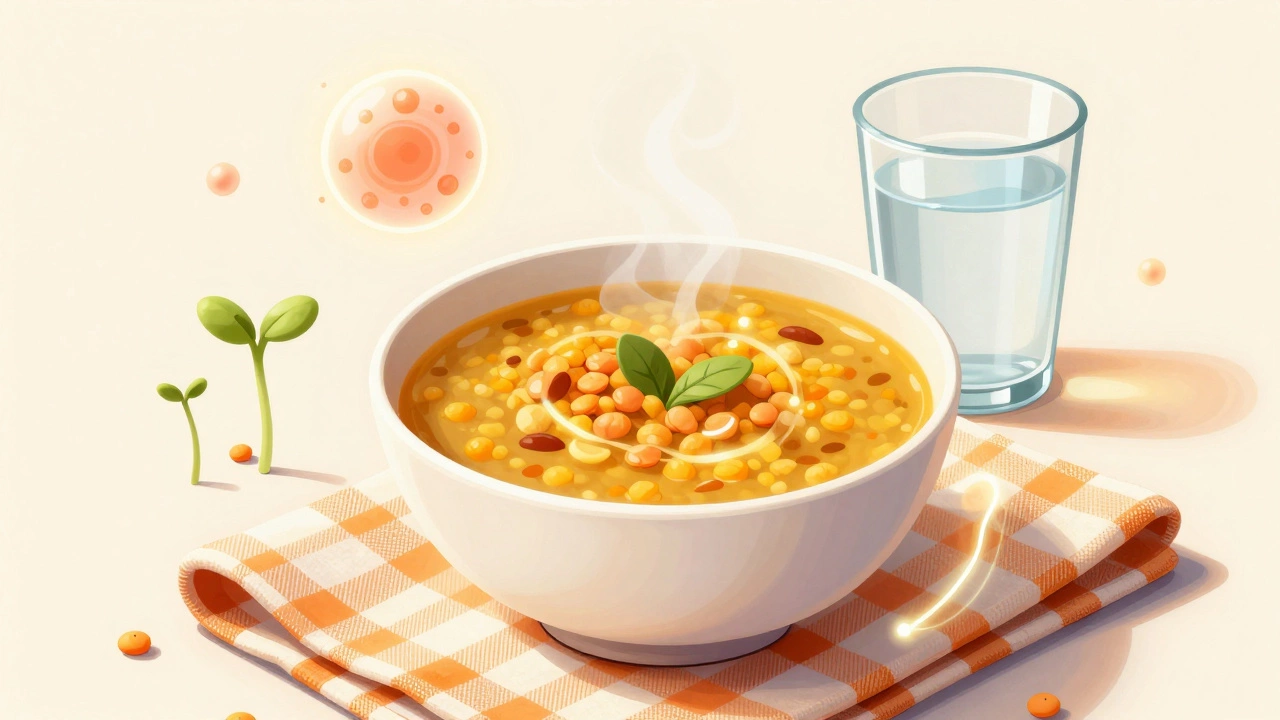
Your gut is often called your second brain. It produces neurotransmitters like serotonin, which affects your mood. It also houses a significant portion of your immune system. When you undergo surgery or take antibiotics, your gut microbiome can be disrupted. This disruption can lead to digestive issues, fatigue, and even depression.
To support your gut, focus on prebiotic and probiotic foods. Prebiotics are fibers that feed good bacteria. Legumes, onions, garlic, and bananas are excellent sources. Probiotics are live bacteria that populate your gut. Yogurt, kefir, kimchi, and sauerkraut are good options. Incorporate both into your diet to restore balance.
For medical tourists, this means seeking out local fermented foods. In Korea, kimchi is everywhere. In Germany, sauerkraut is a side dish. In Eastern Europe, kvass is a popular drink. These traditional foods are not just tasty; they are functional tools for healing.
Avoiding Common Pitfalls
Even with the best intentions, it is easy to slip up. Here are some common mistakes to avoid.
- Eating Too Much Processed Food: Hotels often serve buffet breakfasts with pastries, sugary cereals, and processed meats. Skip these. Opt for eggs, fruit, and whole grains instead.
- Ignoring Food Safety: In some destinations, street food can carry risks of bacterial contamination. Be cautious. Choose vendors with high turnover and clean preparation areas.
- Overindulging in Alcohol: Celebratory dinners are common after successful procedures. Enjoy a glass of wine if allowed, but do not binge. Alcohol delays healing and increases inflammation.
- Skipping Meals: Busy schedules can lead to missed meals. This causes blood sugar crashes and poor decision-making later. Eat regular, balanced meals.
Remember, consistency beats perfection. One bad meal will not ruin your progress. One good meal will not fix a bad diet. Aim for an overall pattern of healthy eating.
Conclusion: Embrace the Local Diet
So, what is the number one healthiest food in the world? It is likely a humble legume, supported by leafy greens, fatty fish, and berries. But more importantly, it is the food that fits into your lifestyle and supports your specific health goals. As a medical tourist, you have the opportunity to explore new cuisines and discover new favorites. Use this experience to expand your culinary horizons while prioritizing your health.
Embrace the local diet. Learn about traditional cooking methods. Engage with local farmers and chefs. By doing so, you not only nourish your body but also enrich your travel experience. Health is not just about surviving; it is about thriving. And thrival starts with what you put on your plate.
Is there really one single healthiest food?
No, nutrition science does not support the idea of a single "magic" food. Health comes from a diverse diet rich in whole foods like legumes, vegetables, fruits, and healthy fats. Legumes are often cited due to their role in longevity diets, but variety is key.
What should I eat before medical tourism surgery?
Focus on nutrient-dense foods to build up your reserves. Include lean proteins, complex carbohydrates, and plenty of vegetables. Avoid alcohol, smoking, and supplements that may increase bleeding risk unless approved by your doctor.
How can I maintain a healthy diet while traveling abroad?
Research local healthy staples, learn key dietary phrases in the local language, and prioritize whole foods over processed options. Stay hydrated and listen to your body's signals regarding hunger and fullness.
Are legumes safe to eat in all countries?
Yes, legumes are a global staple. However, ensure they are cooked thoroughly to avoid digestive discomfort. In some regions, raw or undercooked legumes can cause illness. Always choose reputable food sources.
Does medical tourism affect my nutritional needs?
Yes, travel and surgery increase your body's demand for nutrients like protein and vitamin C for healing. You may also need more hydration and electrolytes due to jet lag and physical stress.

Write a comment