Walking Weight Loss Calculator
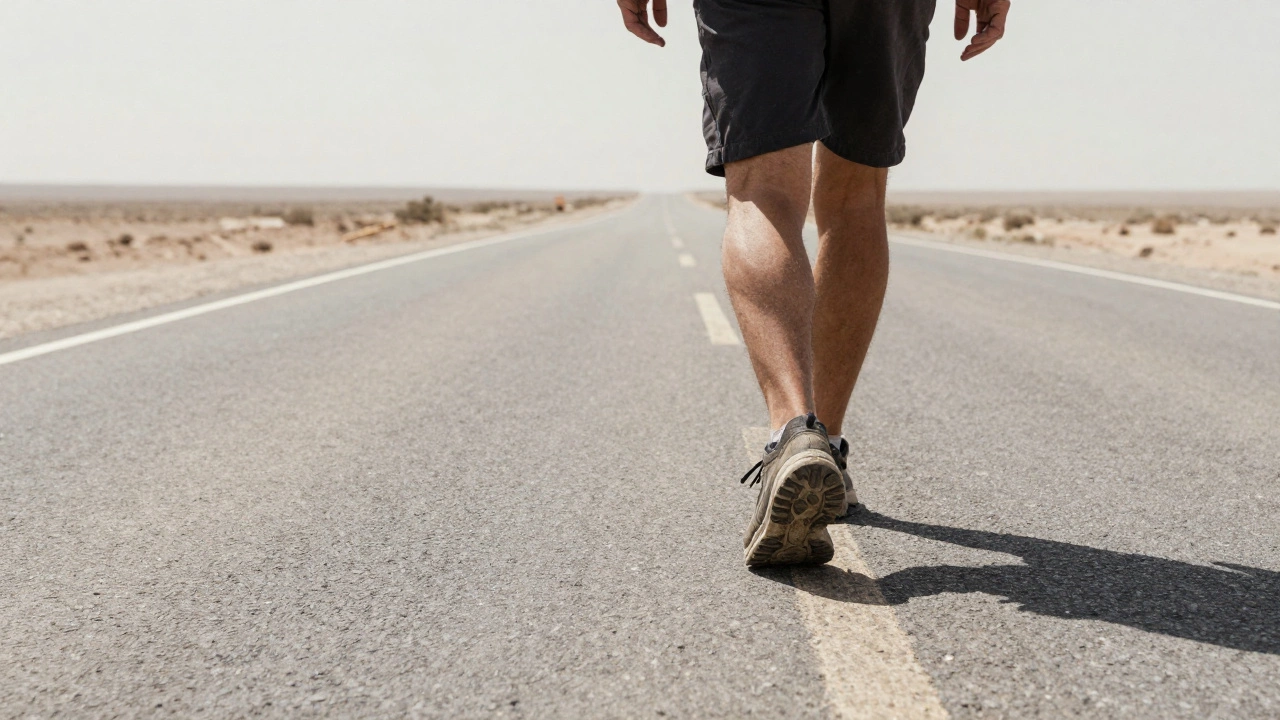
You want to lose five pounds in seven days. It is an ambitious goal. You are likely looking for a number-a specific distance you need to cover on your pedometer or running shoes to make that magic happen. The short answer? To lose 5 pounds of pure fat in one week, you would need to walk approximately 280 miles. That is roughly 40 miles every single day.
Pause for a second. Can you imagine walking 40 miles a day? For most people, that is physically impossible without severe injury, exhaustion, and metabolic shutdown. This isn't just a tough workout; it is a logistical nightmare. If you walk at a moderate pace of 3 miles per hour, you would need to spend over 13 hours a day just walking. That leaves less than 11 hours for sleeping, eating, working, and living.
The Calorie Math Behind the Myth
To understand why this number is so high, we have to look at the basic science of energy balance. Weight loss happens when you burn more calories than you consume. This is called a calorie deficit. One pound of body fat stores roughly 3,500 calories. Therefore, losing 5 pounds requires a total deficit of 17,500 calories over the course of a week.
Let's break down how walking fits into this equation. The number of calories you burn while walking depends on your body weight, your speed, and the terrain. A general rule of thumb used by health professionals is that an average person burns about 100 calories per mile walked. However, this varies significantly.
| Body Weight | Calories Burned Per Mile | Miles Needed for 17,500 Cal Deficit |
|---|---|---|
| 125 lbs | ~60 calories | ~292 miles |
| 155 lbs | ~85 calories | ~206 miles |
| 185 lbs | ~100 calories | ~175 miles |
| 220 lbs | ~120 calories | ~146 miles |
As you can see, even if you weigh 220 pounds, you still need to walk nearly 150 miles in a week. That is 21 miles a day. While slightly more achievable than 40 miles, it remains extremely difficult for anyone who works a standard job or has family responsibilities. Most people simply do not have the time or physical capacity to sustain this level of activity for seven consecutive days.
Why Walking Alone Isn't Enough
Relying solely on walking to create a 17,500-calorie deficit is inefficient. Why? Because walking is a low-intensity exercise. It burns fewer calories per minute compared to high-intensity interval training (HIIT), running, or swimming. More importantly, your body adapts to repetitive movements. After a few weeks of long-distance walking, your muscles become more efficient, meaning you burn fewer calories doing the same distance.
There is also the issue of hunger. When you exert yourself this much, your body signals a need for fuel. Many people find themselves eating back the calories they just burned. You might walk 10 miles, feel exhausted, and then reach for a large meal or sugary snacks to recover. This negates the deficit you worked so hard to create. This phenomenon is known as compensatory eating, and it is one of the biggest hurdles in exercise-based weight loss.
Furthermore, extreme exercise without adequate rest leads to overtraining syndrome. Symptoms include persistent fatigue, insomnia, mood swings, and increased risk of injury like stress fractures or shin splints. Your joints take a beating from thousands of extra steps daily. In Bangalore’s humid climate, where temperatures often hover around 30-35°C (86-95°F) during certain months, excessive outdoor walking can also lead to dehydration and heat exhaustion.

A Realistic Approach to Rapid Weight Loss
If you are determined to lose weight quickly, you need a multi-pronged strategy. You cannot rely on movement alone. The most effective way to accelerate weight loss is through dietary changes. Cutting 1,000 calories from your diet is far easier than burning 1,000 calories through exercise. Burning 1,000 calories via walking takes about 10-12 miles. Cutting 1,000 calories might mean skipping a heavy dinner, reducing portion sizes, or eliminating sugary drinks and processed snacks.
Here is a more sustainable plan to aim for significant weight loss, perhaps 2-3 pounds a week, which is considered the upper limit of safe rapid loss:
- Create a Moderate Calorie Deficit: Aim for a daily deficit of 750-1,000 calories. This combines diet and exercise. For example, eat 500 calories less than your maintenance level and burn 250-500 calories through activity.
- Increase Protein Intake: Protein helps preserve muscle mass while you lose fat. It also keeps you fuller for longer, reducing the urge to snack. Include lean meats, eggs, lentils, or paneer in every meal.
- Walk Smart, Not Just Far: Instead of aiming for impossible distances, aim for consistency. Try to hit 10,000 to 12,000 steps a day. Add incline walking or power walking to boost calorie burn without increasing distance drastically.
- Add Strength Training: Two to three sessions of resistance training per week can boost your metabolism. Muscle tissue burns more calories at rest than fat tissue does. This helps you maintain your weight loss long-term.
The Role of Water Weight vs. Fat Loss
It is important to distinguish between losing water weight and losing actual body fat. When you start a new diet or exercise routine, you may drop several pounds in the first week. This is largely due to glycogen depletion. Glycogen is stored carbohydrate in your muscles, and it holds onto water. As you deplete glycogen stores, you release that water. This is not fat loss. It will return as soon as you replenish your carbs.
True fat loss is slower. Losing 1-2 pounds of fat per week is a healthy, sustainable pace. Trying to force 5 pounds of fat loss in a week often results in muscle breakdown, nutrient deficiencies, and a slowed metabolism. Your body goes into survival mode, holding onto every calorie it can find. This makes future weight loss even harder.

Practical Tips for Maximizing Your Walks
If you love walking and want to use it as your primary tool for weight management, here is how to get the most out of it without burning out:
- Break It Up: You don’t need to walk all at once. Three 20-minute walks throughout the day can be just as effective for blood sugar control and calorie burning as one long session.
- Use Brisk Pace: Aim for a pace where you can talk but not sing. This ensures you are in the aerobic zone, maximizing fat oxidation.
- Track Progress: Use a fitness tracker or smartphone app to monitor your steps and estimated calories burned. Be honest with your data-many devices overestimate calorie burn by 10-20%.
- Combine with Diet: Pair your walks with a balanced, whole-food diet. Focus on vegetables, fruits, whole grains, and lean proteins. Avoid liquid calories like sodas and fruit juices.
When to Seek Professional Help
If you are struggling with weight loss despite your best efforts, consider consulting a healthcare provider or a registered dietitian. They can help identify underlying issues such as hormonal imbalances, thyroid problems, or insulin resistance. In Bangalore, there are many reputable weight loss clinics and wellness centers that offer personalized plans. These programs often combine medical supervision, nutritional guidance, and structured exercise regimens.
Remember, weight loss is not a sprint; it is a marathon. Setting unrealistic goals like losing 5 pounds a week through walking alone sets you up for failure and disappointment. Instead, focus on building healthy habits that you can sustain for life. Consistency beats intensity every time.
Is it possible to lose 5 pounds in a week?
Losing 5 pounds of pure fat in a week is extremely difficult and generally unsafe for most people. It requires a massive calorie deficit of 17,500 calories. While you might see a drop on the scale due to water weight loss, true fat loss at this rate is unsustainable and can harm your metabolism and health.
How many miles should I walk a day to lose weight?
Aim for 10,000 to 12,000 steps per day, which is roughly 5 to 6 miles. Combined with a moderate calorie deficit through diet, this can help you lose 1-2 pounds per week safely. Increasing your daily step count gradually is more effective than trying to walk extreme distances overnight.
Does walking burn belly fat specifically?
No, you cannot target fat loss from specific areas like the belly through exercise alone. This is known as spot reduction, and it is a myth. Walking helps reduce overall body fat, which will eventually include belly fat. Combining walking with core-strengthening exercises can help tone the abdominal muscles as you lose weight.
What is the safest rate of weight loss?
Health experts recommend losing 1-2 pounds per week. This rate is sustainable, preserves muscle mass, and reduces the likelihood of regaining the weight. Rapid weight loss often leads to muscle loss, nutrient deficiencies, and a slowed metabolism, making it harder to keep the weight off.
Can I lose weight by walking without changing my diet?
It is very difficult to lose significant weight by walking alone without adjusting your diet. Exercise creates a relatively small calorie deficit compared to food intake. Without dietary changes, it is easy to unconsciously eat back the calories you burned. Combining regular walking with mindful eating is the most effective strategy.
How does humidity affect calorie burn during walking?
Humidity itself does not significantly increase calorie burn. However, exercising in hot and humid conditions, like those often found in Bangalore during summer, can cause you to sweat more. This leads to temporary water weight loss, not fat loss. It is crucial to stay hydrated to avoid dehydration and maintain performance.
Should I walk before or after meals for weight loss?
Walking after meals can help regulate blood sugar levels and aid digestion. A 10-15 minute walk after eating is beneficial for metabolic health. Walking before meals may help control appetite, potentially leading to smaller portion sizes. Both timings are effective; choose what fits your schedule and feels comfortable.

Write a comment