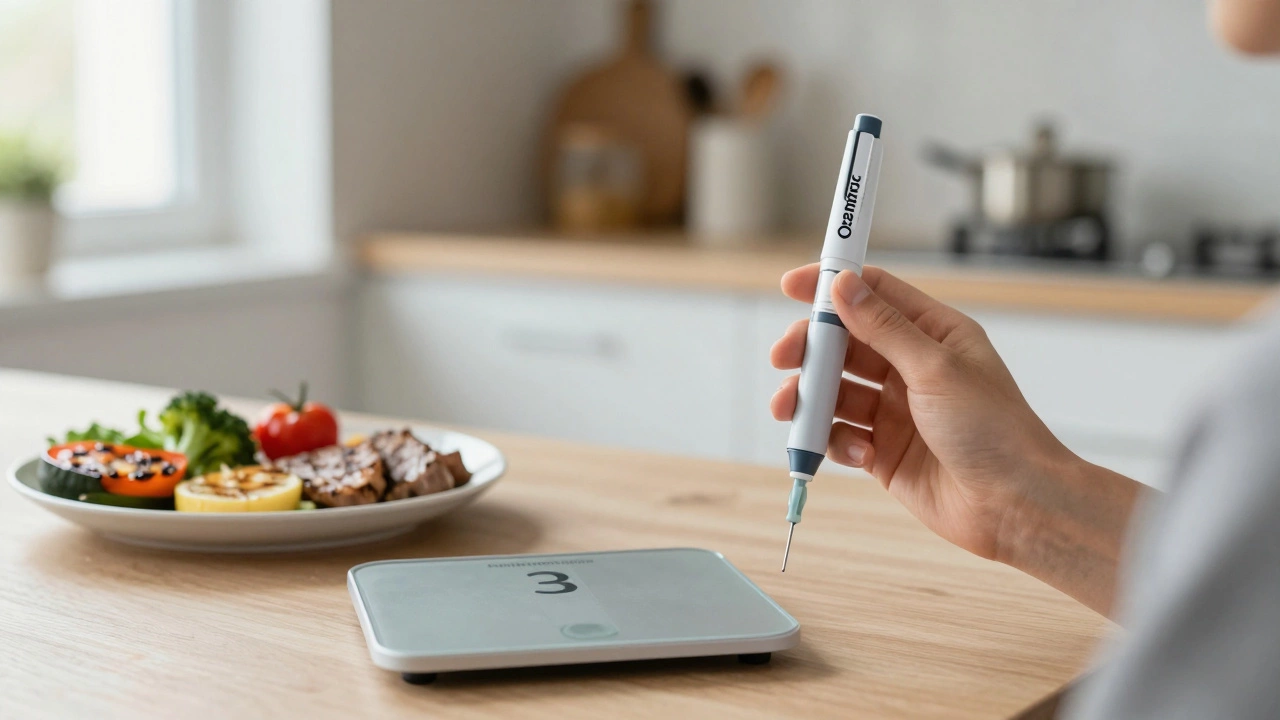
Ozempic Weight Loss Calculator
How much weight can you realistically lose with Ozempic?
Based on clinical trial data from the STEP studies, this calculator shows expected weight loss over time with proper use of Ozempic. Results vary based on individual factors and adherence to lifestyle changes.
Enter your starting weight and select parameters to see realistic weight loss expectations based on clinical trial data.
Important Notes
• Weight loss varies significantly based on individual factors like starting weight, metabolism, and lifestyle habits
• Ozempic is not a magic pill - results require dietary changes and exercise
• Most people lose 1-2% of starting weight in the first month
• Long-term success requires ongoing habit changes
People ask how much weight they can lose in a month with Ozempic because they want quick results. But Ozempic isn’t a magic pill. It’s a prescription drug originally made for type 2 diabetes, and its weight loss effect is a side effect - not the main goal. If you’re considering it, you need to know what’s real, what’s exaggerated, and what happens after the first few weeks.
What Ozempic Actually Does
Ozempic contains semaglutide, a drug that mimics a hormone called GLP-1. This hormone slows down how fast your stomach empties, tells your brain you’re full, and helps your pancreas release insulin when needed. The result? You eat less without feeling hungry all the time. That’s why people lose weight on it - not because it burns fat, but because they naturally consume fewer calories.
It doesn’t work like stimulants such as phentermine that crash your energy or make your heart race. Ozempic works gently, by changing your appetite signals. That’s why many users say they no longer crave snacks, don’t feel the urge to overeat at dinner, and stop mindless eating between meals.
How Much Weight Do People Actually Lose?
In clinical trials, people using Ozempic lost about 5% to 10% of their body weight over 6 to 12 months. That’s not the same as losing 10 pounds in the first week. Most people see their first noticeable change after 4 to 8 weeks. By the end of the first month, a typical loss is between 2 to 5 pounds - not more.
Some online videos show people losing 15 pounds in 30 days. Those are outliers, often combined with extreme dieting, intense workouts, or other medications. They’re not the norm. In real life, most users lose less than 1 pound per week during the first month. The body adjusts slowly. Rushing it can lead to nausea, dizziness, or worse.
Here’s what the data says from the STEP trials (the largest studies on semaglutide for weight loss):
| Time Period | Average Weight Loss | Percentage of Starting Weight |
|---|---|---|
| 4 weeks | 2-5 lbs | 1-2% |
| 12 weeks | 8-15 lbs | 3-6% |
| 6 months | 15-25 lbs | 6-10% |
| 12 months | 20-35 lbs | 8-12% |
These numbers are for people taking the full dose (1 mg weekly) and following a moderate diet. If you skip meals or drink alcohol daily, your results will be lower. If you combine it with walking 30 minutes a day, you’ll see better outcomes.
Why Some People Lose More - And Why Others Lose Less
Not everyone responds the same. Genetics, metabolism, insulin resistance, and starting weight all play a role. Someone who weighs 250 pounds might lose 12 pounds in the first month. Someone at 160 pounds might lose only 3. That’s normal.
Also, the dose matters. Doctors start with 0.25 mg weekly and slowly increase to 1 mg over 16 weeks. Many people stop at lower doses because of side effects. If you’re still on 0.5 mg after two months, your weight loss will be slower. Don’t pressure your doctor to jump to the highest dose. Side effects like vomiting, diarrhea, or fatigue can make you quit the drug entirely.
Another factor: food choices. Ozempic reduces hunger, but it doesn’t make unhealthy food safe. If you keep eating fried chicken, sugary drinks, or ultra-processed snacks, you’ll still gain weight - even on Ozempic. The drug helps you eat less, but you still have to choose what to eat.

The Realistic Timeline: What to Expect Month by Month
- Week 1-2: You might feel nauseous. Your appetite drops. Don’t expect major weight loss yet.
- Week 3-4: Nausea fades. You feel full faster. You may lose 1-3 pounds.
- Month 2: Consistent appetite control. You’re skipping snacks. Loss: 3-6 pounds total.
- Month 3: Clothes fit looser. Energy improves. Loss: 6-10 pounds.
- Month 4-6: Steady progress. Most people hit their peak rate of loss now.
After six months, weight loss slows down. That’s because your body reaches a new balance. To keep losing, you need to keep adjusting your habits - not just keep taking the shot.
What Happens When You Stop Taking Ozempic?
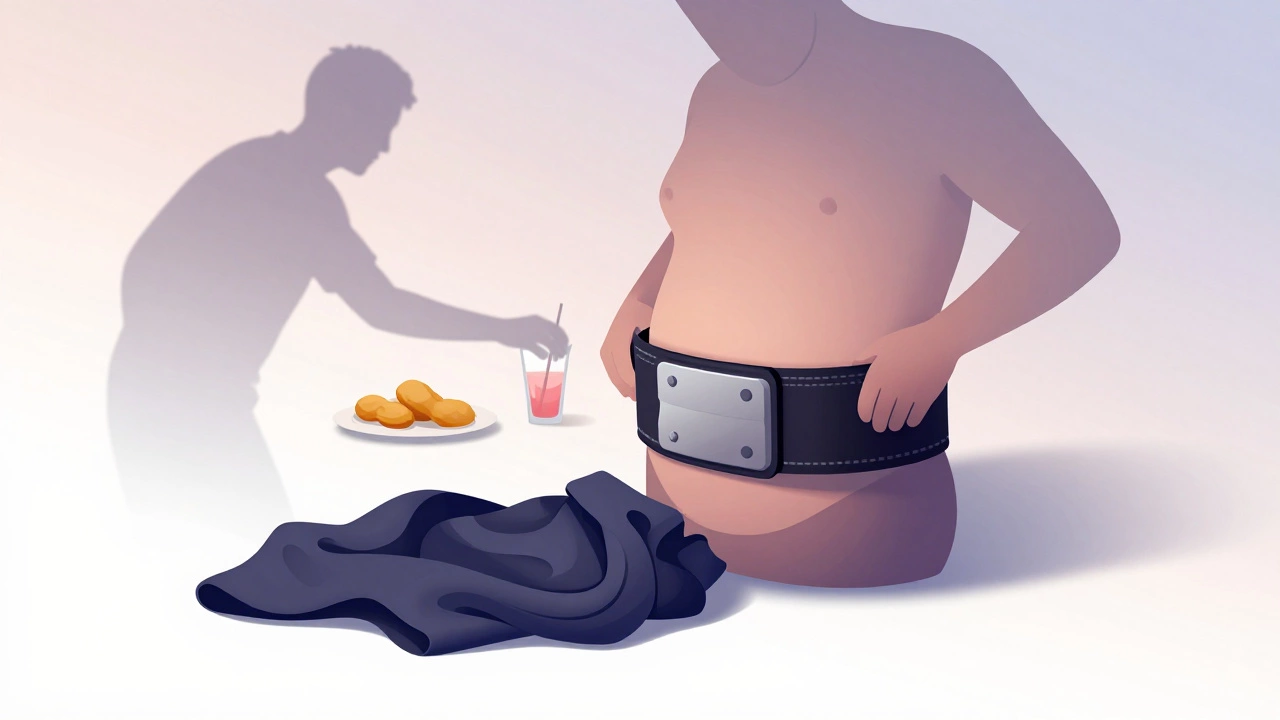
This is the part no one talks about. If you stop Ozempic, you’ll likely regain weight. In studies, most people gained back two-thirds of the lost weight within a year after stopping. Why? The drug didn’t change your habits. It just suppressed your hunger.
Think of it like wearing a weight belt. When you take it off, your body goes back to how it used to behave. That’s why doctors say Ozempic should be part of a long-term plan - not a quick fix. You need to learn how to eat without constant hunger cues. That means meal planning, portion control, and understanding emotional eating.
If you stop because of cost, side effects, or access issues, talk to your doctor. There are other strategies - like cognitive behavioral therapy for eating habits, or other GLP-1 drugs like Wegovy (which is approved specifically for weight loss).
Who Shouldn’t Use Ozempic for Weight Loss?
Ozempic isn’t for everyone. It’s not approved as a weight loss drug in India for people without diabetes. Off-label use is common, but risky without medical supervision.
Avoid it if you have:
- A personal or family history of medullary thyroid cancer
- Multiple endocrine neoplasia syndrome type 2
- Severe gastrointestinal disorders (like gastroparesis)
- Pregnancy or plans to become pregnant
- History of pancreatitis
Also, if you’re under 18, have uncontrolled depression, or are taking insulin, talk to your doctor. The risks may outweigh the benefits.
Alternatives to Ozempic That Actually Work
If Ozempic isn’t right for you, or if you can’t get it, here are other proven approaches:
- Lifestyle changes: A 2023 study in The Lancet showed that people who combined a Mediterranean diet with daily walking lost 8-10% of body weight in a year - without drugs.
- Behavioral therapy: Working with a therapist to change eating habits leads to longer-lasting results than medication alone.
- Other GLP-1 drugs: Wegovy is approved for weight loss in many countries. It’s the same drug, higher dose. But it’s expensive and hard to get in India.
- Metformin: A cheaper, older diabetes drug that helps with modest weight loss and insulin sensitivity.
There’s no shortcut. The most effective weight loss plan combines medication (if needed), nutrition, movement, and mental support.
Cost and Access in India
In India, a single Ozempic pen (1 mg) costs between ₹8,000 to ₹12,000. Most people need one pen per month. That’s ₹96,000 to ₹144,000 a year. Insurance rarely covers it for weight loss alone.
Some clinics offer it as part of a weight loss program - but that doesn’t mean it’s safer. Always get it from a licensed doctor. Buying it online or from unverified sellers risks counterfeit or expired doses.
There are generic versions of semaglutide now available in India under different brand names. Ask your doctor if they’re an option. They’re 30-50% cheaper and just as effective.
Final Reality Check
You won’t lose 20 pounds in a month with Ozempic. That’s not how it works. You might lose 3 to 5 pounds in the first 30 days - if you’re lucky. Real success comes after 3 to 6 months. And even then, it’s not just about the number on the scale. It’s about feeling more in control, sleeping better, having more energy, and no longer being ruled by cravings.
If you’re considering Ozempic, go in with realistic expectations. Don’t chase viral videos. Talk to a doctor who understands both diabetes and weight management. And remember: the drug is a tool. You’re the one who has to use it wisely.
Can you lose 10 pounds in a month with Ozempic?
It’s possible but uncommon. Most people lose 2-5 pounds in the first month. Losing 10 pounds in 30 days usually means combining Ozempic with a very low-calorie diet or other weight loss strategies. That’s not sustainable and can be unhealthy. Slow, steady loss is safer and lasts longer.
Is Ozempic safe for long-term use?
Yes, when used under medical supervision. Studies show people have safely taken semaglutide for up to 3 years. The main risks are nausea, vomiting, and gallbladder issues - which usually improve over time. Long-term safety data beyond 5 years is still being collected, but no major red flags have emerged so far.
Does Ozempic burn fat or just reduce appetite?
It doesn’t burn fat directly. It reduces appetite and slows digestion, so you eat fewer calories. The weight loss comes from that calorie deficit - not from fat-burning mechanisms. That’s why combining it with movement helps you lose more fat and keep muscle.
Can I take Ozempic if I don’t have diabetes?
In India, Ozempic is officially approved only for type 2 diabetes. Doctors can prescribe it off-label for weight loss, but it’s not guaranteed to be covered by insurance. Always get it from a licensed provider who monitors your health. Never buy it without a prescription.
What’s the difference between Ozempic and Wegovy?
They’re the same active ingredient - semaglutide. Ozempic is approved for diabetes and comes in lower doses (0.25-1 mg). Wegovy is approved for weight loss and goes up to 2.4 mg. Wegovy is more effective for weight loss but harder to get in India and more expensive.
If you’re thinking about Ozempic, start with a conversation - not a prescription. Ask your doctor about your goals, your health history, and what alternatives exist. The best weight loss plan isn’t the one with the fastest results. It’s the one you can live with for years.

Write a comment