
IVF Genetic Resemblance Explorer
Treatment Scenario Selector
Trait Inheritance Simulator
Explore how specific traits might be inherited based on parental characteristics.
Analysis Results
It is a common question among prospective parents undergoing In Vitro Fertilization, commonly known as IVF. It is a medical procedure used to treat infertility by fertilizing an egg with sperm outside the body in a laboratory setting.: "Will my baby look more like me or my partner?" The short answer is that IVF babies do not look different from naturally conceived babies. Their appearance is determined entirely by genetics, just like any other child. However, the process involves specific biological nuances regarding which genetic material comes from whom.
The Basic Genetics of Appearance
To understand why your baby might resemble one parent over the other, you need to look at how human traits are passed down. Every person has two copies of every gene-one from their mother and one from their father. These genes determine physical characteristics such as eye color, hair texture, skin tone, and facial structure.
When an egg and sperm combine, they create a unique mix of these genes. This combination is random. You cannot predict exactly which traits will dominate. For example, brown eyes are generally dominant over blue eyes, but if both parents carry recessive genes for blue eyes, there is still a chance the child will have blue eyes. This randomness applies equally to natural conception and IVF.
Many people assume that because IVF involves lab work, scientists can choose what the baby looks like. This is a myth. Embryologists do not select embryos based on physical appearance. They assess them for health markers, chromosomal normality, and developmental potential. The visual resemblance remains a roll of the genetic dice.
Where Does the Genetic Material Come From?
The source of the genetic material depends on the type of IVF treatment you undergo. In standard IVF, the egg comes from the intended mother and the sperm from the intended father. In this case, the baby is genetically related to both parents. The baby’s appearance will be a blend of both family lineages.
However, some treatments involve donors. If you use a donor egg, the baby will share no genetic material with the mother who carries the pregnancy. In this scenario, the baby will likely look more like the egg donor and the sperm provider. Conversely, if you use donor sperm, the baby will share genetics with the mother and the donor. Understanding the source of the gametes (eggs and sperm) is crucial for predicting physical resemblance.
| Treatment Type | Egg Source | Sperm Source | Primary Genetic Resemblance |
|---|---|---|---|
| Standard IVF | Mother | Father | Mix of both parents |
| Donor Egg IVF | Donor | Father | Donor and Father |
| Donor Sperm IVF | Mother | Donor | Mother and Donor |
| Gestational Surrogacy | Mother | Father | Mix of both parents (Surrogate has no genetic link) |
The Role of Mitochondrial DNA
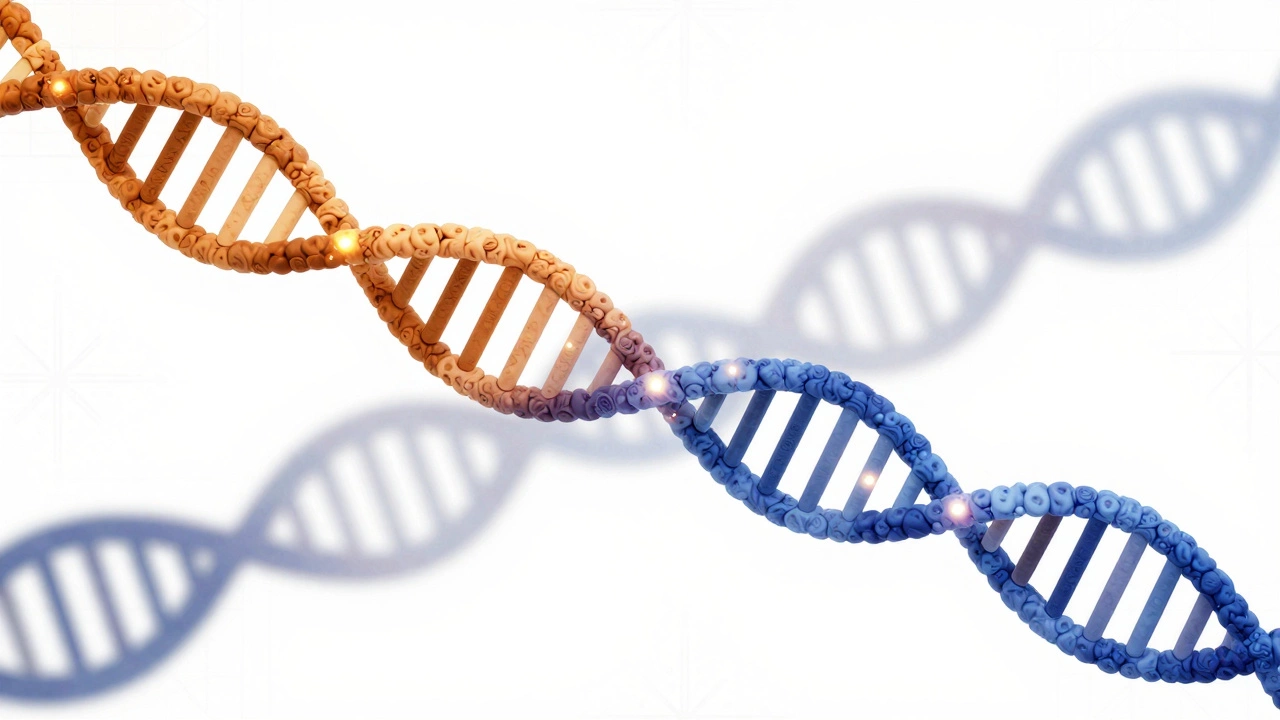
There is one small exception where the mother contributes slightly more than 50% of the genetic material. This involves Mitochondrial DNA (mtDNA). Mitochondria are the powerhouses of the cell, and they contain their own small set of DNA. Unlike nuclear DNA, which comes from both parents, mtDNA is inherited almost exclusively from the mother through the egg.
While mtDNA does not determine eye color or height, it plays a role in cellular energy production and can influence certain metabolic traits. In rare cases of mitochondrial replacement therapy (often called "three-parent IVF"), healthy mitochondria from a donor are added to prevent disease. Even then, the nuclear DNA-which controls physical appearance-still comes from the intended parents. So, visually, the baby still looks like the genetic parents.
Does the Lab Environment Change Looks?
No. The environment in which fertilization occurs does not alter the genetic code. Whether fertilization happens inside the fallopian tube or in a petri dish, the resulting embryo has the same genetic blueprint. Some studies suggest that environmental factors during pregnancy, such as nutrition and stress, can affect birth weight and general health, but they do not change fundamental physical traits like nose shape or eye color.
There is a concept called epigenetics, which refers to changes in gene expression caused by mechanisms other than changes in the underlying DNA sequence. While IVF embryos are exposed to culture media, current research shows no significant difference in long-term physical appearance compared to naturally conceived children. Any minor differences in birth outcomes are usually related to maternal age or multiple births (twins/triplets), which are more common in IVF, rather than the procedure itself.
Epigenetics and Long-Term Health
While appearance is stable, researchers continue to study the epigenetic effects of ART (Assisted Reproductive Technology). Epigenetics involves chemical tags that attach to DNA and tell genes when to turn on or off. These tags can be influenced by the environment. Some early studies suggested a slight increase in certain imprinting disorders in IVF children, but recent large-scale reviews indicate that the risk is very low and comparable to the background rate in the general population.
For most families, the focus should remain on the joy of parenthood rather than worrying about subtle biological variations. The love and care provided after birth have a far greater impact on a child's development than the method of conception.
Common Myths About IVF Babies
Myths surrounding IVF persist due to a lack of understanding. Here are three common misconceptions:
- Myth: IVF babies are "designer babies." Fact: Selective embryo testing (PGT-A) checks for chromosomal abnormalities to ensure a healthy pregnancy. It does not allow parents to choose gender, eye color, or intelligence.
- Myth: IVF babies are less healthy. Fact: Most IVF babies are born healthy. There is a slightly higher risk of preterm birth or low birth weight, often linked to multiple pregnancies or maternal age, not the IVF process itself.
- Myth: The surrogate affects the baby's personality or looks. Fact: In gestational surrogacy, the surrogate provides no genetic material. The baby’s traits come solely from the egg and sperm providers.
How to Prepare for Your Baby's Arrival
Regardless of how your baby looks, preparing for their arrival involves practical steps. Focus on creating a supportive environment. Connect with other IVF parents to share experiences. Understand that bonding can happen instantly or take time, and both are normal. Remember that your baby is a unique individual, blending the best of their genetic heritage in unpredictable ways.
If you are using donor gametes, consider discussing openness with your child later in life. Many families find that honesty about their origins builds trust and helps the child understand their identity. Resources from fertility clinics and support groups can guide you through these conversations.
Can doctors choose the gender of an IVF baby?
In many countries, selecting the gender of a baby for non-medical reasons is illegal or ethically restricted. Preimplantation Genetic Testing (PGT) can identify the sex of an embryo, but it is primarily used to avoid sex-linked genetic diseases. Clinics generally do not offer gender selection for personal preference.
Are IVF babies more prone to birth defects?
The risk of birth defects is slightly higher in IVF pregnancies, estimated at 1-2% higher than natural conception. However, this is largely attributed to parental factors such as advanced maternal age and underlying infertility causes, rather than the IVF technique itself. Overall, the vast majority of IVF babies are born without major congenital anomalies.
Does the culture medium affect the baby's intelligence?
No. There is no scientific evidence linking the laboratory culture medium used in IVF to cognitive development or intelligence. Intelligence is a complex trait influenced by hundreds of genes and environmental factors like education and upbringing. IVF does not impair intellectual potential.
Will my IVF baby look like the surrogate?
If you are using a gestational surrogate, the baby will not look like her. She carries the pregnancy but contributes no genetic material. The baby’s appearance will be determined by the genetic parents (the egg and sperm providers). In traditional surrogacy, where the surrogate’s egg is used, she would be the genetic mother, but this practice is rare today.
Can I know the physical traits of a donor egg or sperm?
Yes, fertility clinics provide detailed profiles of donors. These include physical attributes like height, weight, eye color, hair color, and ethnicity. They may also include educational background and health history. However, these are just indicators; the final appearance of the child will also depend on the other parent’s genetics.

Write a comment