Knee Replacement Wardrobe Recovery Planner
Weeks 1-2
Immediate Post-Op
Weeks 3-6
Brace & Mobility
Months 2-3
Returning to Normal
Month 4+
Long-Term Comfort
Phase Title
Primary Challenge✅ Recommended Clothing
❌ Avoid These Items
🛠️ Dressing Technique for This Phase
There is a specific moment in the first week after knee replacement surgery that catches most patients off guard. It isn't the pain, and it isn't the physical therapy exercises. It is the simple act of trying to pull up a pair of jeans. For someone who has never undergone major orthopedic surgery, putting on pants seems automatic. But when you have a fresh incision, a bulky bandage, and a leg that refuses to bend past 90 degrees, that routine task becomes a logistical puzzle.
The short answer is yes, you can wear pants after knee surgery. However, the "how" changes dramatically depending on where you are in your recovery timeline. In the immediate post-operative phase, standard trousers often fail because they restrict circulation or irritate the surgical site. As you progress through weeks two to six, the challenge shifts to managing swelling and accommodating a continuous passive motion (CPM) machine or hinged knee brace. By month three, most patients return to their normal wardrobe, but with some permanent adjustments for comfort.
Why Standard Pants Fail Immediately After Surgery
In the first 48 to 72 hours after your procedure, your body reacts to the trauma of surgery with inflammation. This swelling is not just cosmetic; it increases the circumference of your thigh and calf significantly. If you try to force a pair of fitted chinos or skinny jeans onto this swollen limb, you risk creating a tourniquet effect. This restricts venous return, which can lead to increased pain, delayed healing, or even deep vein thrombosis (DVT), a serious blood clot condition.
Furthermore, the waistband of typical pants sits right at the hip bone. During early recovery, you are likely using a walker or crutches. Leaning forward to pull up tight pants puts strain on your lower back and core muscles, which are already weakened from anesthesia and bed rest. The friction from denim seams against your surgical dressing can also introduce bacteria or cause the sterile strips to peel off prematurely.
To navigate this initial phase, you need clothing that prioritizes accessibility over aesthetics. Look for garments with these specific features:
- Elastic Waists: Avoid buttons, zippers, or belts. An elastic waistband allows for easy expansion as your swelling fluctuates throughout the day.
- Side Zippers: Some specialized post-surgical pants come with full-length side zippers. These allow you to slide the pants on without lifting your leg high or bending your knee aggressively.
- Loose Fit: The fabric should hang loosely around the operative leg. Capri length or cropped styles can help avoid bunching around the ankle if you are wearing compression stockings.
The Brace Factor: Navigating Weeks 2 to 6
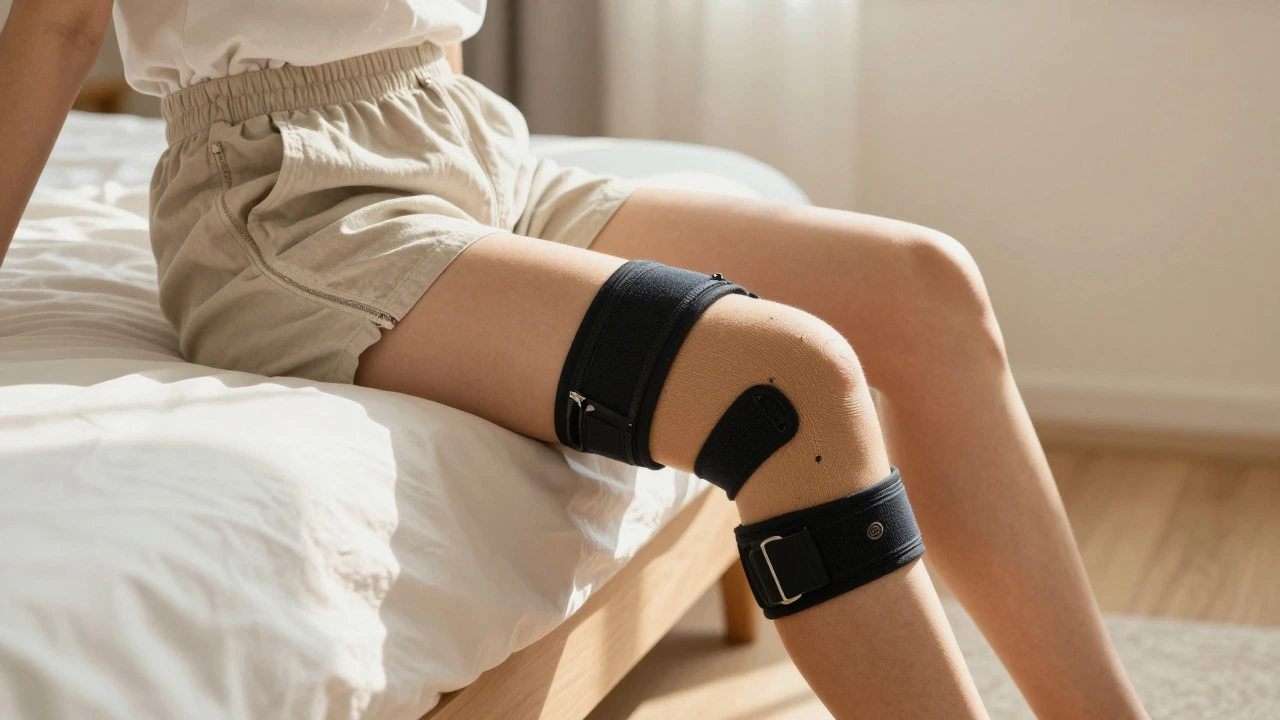
As you move into the second and third weeks of recovery, the swelling begins to subside, but new challenges emerge. Many surgeons prescribe a hinged knee brace to protect the new joint while you regain strength. These braces are rigid, bulky, and extend from mid-thigh to mid-calf. Trying to shove a leg through a standard pant leg while wearing a brace is nearly impossible without damaging the fabric or the brace itself.
During this period, your primary goal is maintaining range of motion while protecting the implant. Your clothing needs to accommodate the brace's hinges and straps. Tight fabrics will dig into the skin under the brace, causing pressure sores. Loose fabrics will catch on the metal hinges, potentially pulling the brace out of alignment.
The best solution here is adaptive clothing designed specifically for mobility impairments. Brands like Silverts or Dedlen offer pants with magnetic closures and expandable knees. Alternatively, many patients opt for loose-fitting athletic sweatpants made from soft cotton blends. These materials stretch over the brace without constricting blood flow. When sitting, ensure the pants do not bunch up behind the knee, as this can impede circulation and increase the risk of clots.
| Recovery Phase | Primary Challenge | Recommended Clothing Type | Avoid |
|---|---|---|---|
| Weeks 1-2 | Swelling & Incision Care | Elastic-waist shorts, capris with side zippers | Skinny jeans, tight leggings, belts |
| Weeks 3-6 | Knee Brace Compatibility | Loose sweatpants, adaptive trousers with magnetic closures | Rigid fabrics, narrow leg openings |
| Months 2-3 | Resuming Normal Activity | Relaxed-fit chinos, stretch denim | Stiff non-stretch fabrics |
| Month 4+ | Long-term Comfort | Standard wardrobe with slight preference for flexibility | Overly restrictive formal wear |
Practical Techniques for Putting on Pants
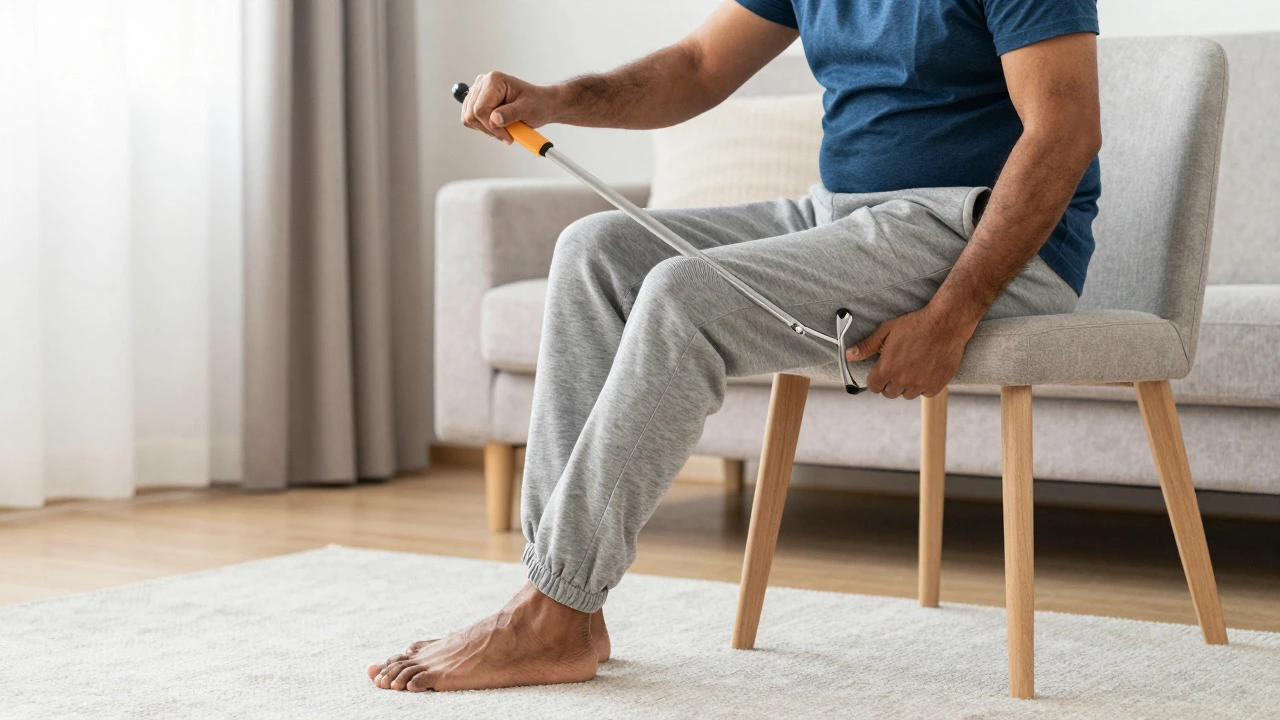
Even with the right clothing, the mechanics of dressing change after knee replacement. You cannot rely on your balance or your ability to lift your leg high. Here is a step-by-step method that physical therapists often recommend to minimize strain and maintain independence.
- Use a Stable Surface: Sit on a firm chair or the edge of your bed. Ensure the surface is stable enough to support your weight as you shift positions.
- Prepare the Leg: If you are wearing a brace, loosen the straps slightly to allow the pant leg to slide over more easily. Re-tighten them once the pants are on.
- Slide, Don't Lift: Instead of lifting your entire leg, slide the pant leg up your foot and calf while keeping your heel on the floor. Use your hands to guide the fabric up the shin and over the knee.
- Utilize Assistive Devices: A reacher/grabber tool can be invaluable. Hook the grabber into the waistband of the pants and pull them up while seated. This eliminates the need to bend forward excessively.
- One Leg at a Time: Put on the non-operative leg first if possible, as it provides better stability. Then focus on the operative leg, taking your time to ensure no twisting occurs.
If you live alone, consider investing in a dressing stick or a long-handled shoe horn. These tools reduce the need for deep squatting or excessive bending, which are movements strictly limited during the first six weeks of recovery.
Fabric Choices Matter More Than You Think
The material of your pants plays a crucial role in your comfort and healing process. Cotton is breathable and gentle on sensitive skin, making it ideal for the early stages. However, pure cotton lacks stretch. A blend of cotton and spandex (or elastane) offers the best of both worlds: breathability and flexibility.
Avoid synthetic fabrics like polyester or nylon in the first few months. These materials trap heat and moisture, creating a humid environment near your incision site. This can lead to itching, rashes, or infection. Additionally, rough textures like wool or heavy denim can irritate the scar tissue as it matures. Smooth, soft linings are preferable to prevent friction burns on the inner thigh, an area that is particularly vulnerable during gait training.
Compression stockings, often prescribed to prevent DVT, add another layer of complexity. They are tight and difficult to put on. Choose pants with wide leg openings that can easily slide over the top of the compression hose without catching on the reinforced toe or cuff areas.
When Can You Return to Jeans?
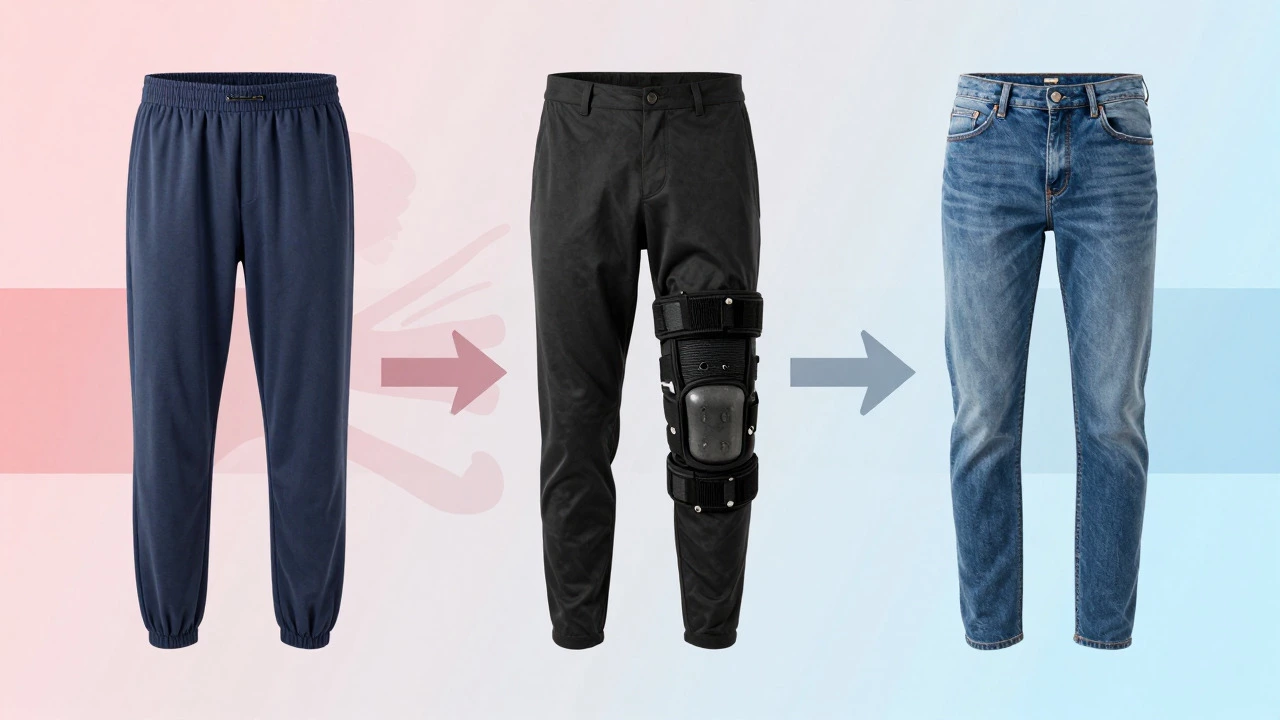
For many people, jeans are a staple of their daily wardrobe. The question of when to reintroduce them is common. Generally, you can attempt to wear relaxed-fit jeans around week eight to ten, provided you have regained sufficient knee flexion (bending). You need at least 90 to 110 degrees of flexion to sit comfortably in jeans without the fabric pulling tightly across the back of the knee.
Start with "stretch denim" or "comfort fit" styles. These contain a small percentage of elastane, allowing the fabric to give slightly as you move. Avoid raw denim or stiff twill, as these materials do not accommodate the subtle swelling that may still occur after prolonged standing or walking.
Test the fit carefully. Sit down fully in a chair. If you feel pressure behind the knee or notice red marks on your skin after removing the pants, they are still too tight. Pushing through this discomfort can lead to chronic irritation or reduced range of motion. Patience is key; there is no rush to look "normal" before you are functionally ready.
Adaptive Clothing: Is It Worth the Investment?
Adaptive clothing has gained popularity in recent years, driven by an aging population and increased awareness of disability-friendly design. While regular sweatpants work fine, adaptive pants offer specific benefits that can enhance your quality of life during recovery.
Features like side-zip legs, magnetic button replacements, and open-back designs make dressing easier and less painful. For patients with limited hand dexterity due to arthritis or other conditions, these features are game-changers. Although they cost more than standard apparel, the investment pays off in reduced frustration and greater independence. Many brands now offer stylish options that don't look like medical gear, allowing you to maintain your personal style while accommodating your physical needs.
How soon can I wear tight pants after knee replacement?
You should avoid tight pants for at least 8 to 12 weeks after surgery. Early on, swelling makes tight clothing dangerous as it can restrict blood flow. Even after swelling subsides, tight fabrics can irritate healing tissues and limit your range of motion. Opt for loose, elastic-waisted bottoms until your surgeon clears you for more restrictive clothing.
Do I need special pants for my knee brace?
While not strictly mandatory, special pants with wider leg openings or side zippers make wearing a knee brace much easier. Standard pants can get caught on the brace hinges or create uncomfortable pressure points. Loose sweatpants or adaptive trousers with magnetic closures are highly recommended for comfort and ease of use.
What is the best way to put on pants with one bad knee?
Sit on a stable chair and slide the pant leg up your operative leg while keeping your heel on the ground. Use a reacher tool to pull the waistband up if needed. Avoid lifting your leg high or twisting your torso. Take your time and ensure the fabric is smooth to prevent wrinkles that could cause pressure sores.
Can I wear jeans immediately after surgery?
No, you should not wear jeans immediately after surgery. Denim is stiff, non-stretchy, and difficult to pull over a swollen leg and surgical dressing. Wait at least 2 to 3 months before attempting to wear jeans, and start with relaxed-fit, stretch-denim styles to ensure comfort and proper circulation.
Will wearing loose pants affect my knee replacement recovery?
Wearing loose pants actually supports better recovery by preventing constriction and irritation. Tight clothing can hinder blood flow and cause skin breakdown. Loose, breathable fabrics allow for natural movement and reduce the risk of complications like blood clots or infections, promoting a smoother healing process.

Write a comment