Cancer Pain Profile Estimator
Explore how different cancer types and factors influence pain severity, mechanisms, and treatment approaches based on medical data.
Estimated Pain Profile
Imagine a pain so constant that it steals your sleep, your appetite, and your will to move. For millions of people living with advanced disease, this isn't a hypothetical scenario-it is their daily reality. When we ask what is the most painful cancer, we aren't just looking for a ranking of suffering. We are trying to understand why some tumors hurt more than others and, crucially, how modern medicine can take that pain away.
Pain in cancer is not one-size-fits-all. It depends on where the tumor grows, what nerves it touches, and how the body reacts to inflammation. While every patient’s experience is unique, medical data consistently points to specific types of cancer that cause severe, debilitating pain due to their location and biological behavior.
The Anatomy of Cancer Pain
To understand which cancers hurt the most, you first need to know how they cause pain. There are three main ways a tumor creates suffering:
- Nociceptive pain: This occurs when a tumor presses on bones, organs, or soft tissues. Think of it as a heavy weight constantly pushing on a sensitive area.
- Neuropathic pain: This happens when cancer invades or compresses nerves. It often feels like burning, shooting electricity, or tingling. This type of pain is notoriously difficult to treat because standard painkillers don't always work on nerve damage.
- Visceral pain: This arises from internal organs being stretched or blocked by a mass. It can feel like deep cramping or pressure.
Metastasis-the spread of cancer to other parts of the body-often complicates these mechanisms. A primary tumor might be manageable, but once it spreads to the bones or brain, the pain profile changes dramatically.
Bone Cancer: The Agony of Structural Damage
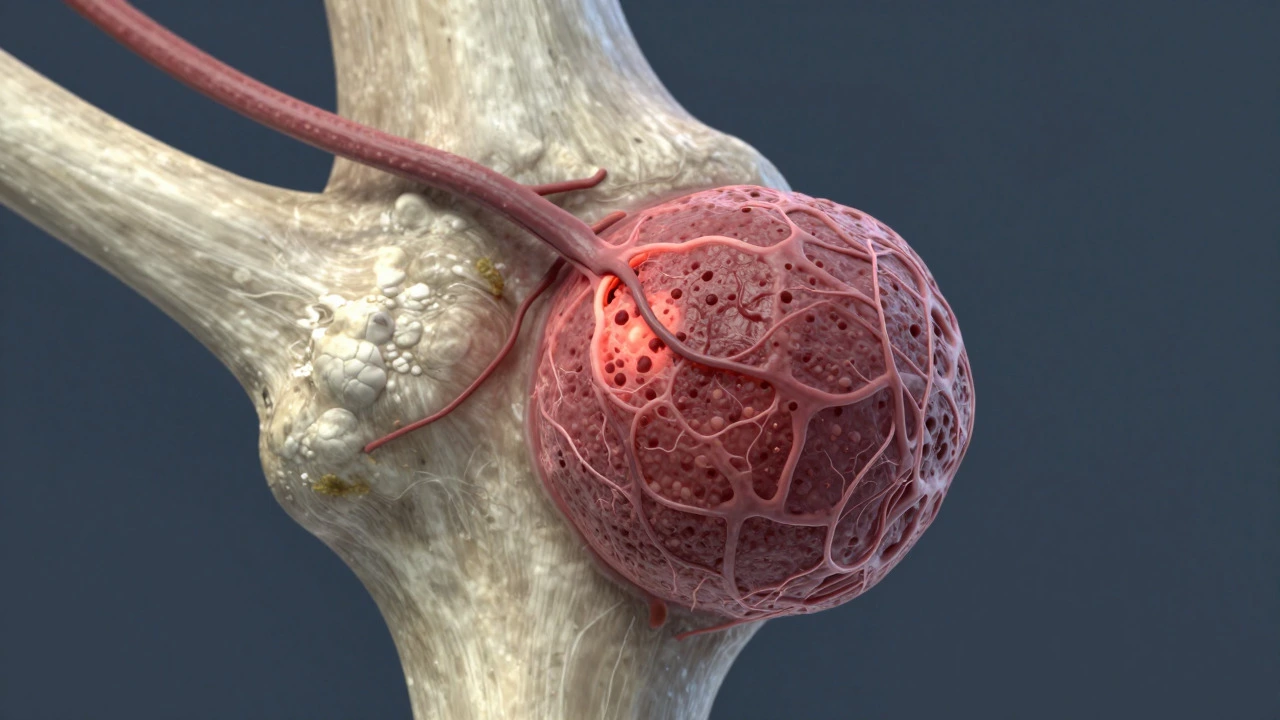
If we look at raw intensity, Bone cancer (including primary types like osteosarcoma and Ewing sarcoma) frequently tops the list of most painful conditions. Bones are densely packed with nerve endings. When a tumor eats away at bone structure, it doesn't just hurt; it threatens structural integrity.
Patients often describe this pain as a deep, gnawing ache that worsens at night or during movement. Because bones support our entire frame, even small movements can trigger sharp spikes in pain. Furthermore, many cancers that start elsewhere-like breast, prostate, or lung cancer-frequently metastasize to the bones. This secondary bone cancer causes fractures, spinal cord compression, and intense localized agony.
The challenge with bone pain is that it is both mechanical and inflammatory. Anti-inflammatories help slightly, but opioids are often required to manage the baseline discomfort. Radiation therapy is commonly used to shrink the tumor and relieve pressure on the bone matrix.
Pancreatic Cancer: The Silent Torment
While bone cancer hurts physically, Pancreatic cancer is often cited by oncologists as one of the most distressing due to its location and progression. The pancreas sits deep in the abdomen, surrounded by major blood vessels and the celiac plexus-a network of nerves that controls pain sensation in the abdominal organs.
In early stages, pancreatic cancer may cause no pain at all, which leads to late diagnosis. By the time symptoms appear, the tumor has often grown large enough to press against the spine and surrounding nerves. This results in severe back pain that radiates through the torso. Unlike muscle soreness, this pain is relentless and often unresponsive to typical over-the-counter medications.
A procedure called a celiac plexus block is often used to interrupt these pain signals. Doctors inject alcohol or anesthetic into the nerve cluster to numb the area. For many patients, this offers significant relief from the crushing abdominal and back pain associated with advanced pancreatic disease.
Liver Cancer: Pressure and Stretching
The liver itself does not have many pain receptors, but it is wrapped in a capsule called Glisson's capsule, which is highly sensitive. As Liver cancer (hepatocellular carcinoma) grows, it stretches this capsule. This stretching creates a constant, dull pressure in the upper right abdomen.
This pain is compounded by ascites, a buildup of fluid in the abdomen caused by liver failure or cancer blockage. Ascites increases intra-abdominal pressure, making breathing difficult and causing generalized discomfort. Additionally, if the cancer spreads to the lining of the abdomen (peritoneum), it causes widespread, sharp pain that moves around the belly.
Brain Tumors: Pain Beyond the Headache
You might expect brain tumors to cause headaches, and they do. However, the brain tissue itself cannot feel pain. The pain comes from pressure on the meninges (the protective layers around the brain), blood vessels, or nerves. Glioblastoma and other aggressive brain tumors cause increased intracranial pressure.
This pressure leads to severe, persistent headaches that are often worse in the morning or after lying down. It can also cause nausea, vomiting, and vision problems. If the tumor presses on cranial nerves, it can cause facial pain or numbness. The psychological toll of knowing a tumor is growing inside the skull adds a layer of anxiety that amplifies the perception of physical pain.
Why Some Cancers Hurt More Than Others
It is not just about the type of cancer. Several factors influence the severity of pain:
| Factor | Impact on Pain |
|---|---|
| Tumor Location | Near nerves or bones = Higher pain |
| Tumor Size | Larger masses press on more structures |
| Metastasis | Spread to multiple sites increases complexity |
| Treatment Side Effects | Chemotherapy can cause neuropathy (nerve pain) |
| Psychological State | Anxiety and depression lower pain tolerance |
For example, chemotherapy drugs like taxanes and platinum agents can cause peripheral neuropathy. This means patients develop burning or tingling sensations in their hands and feet, adding a second layer of pain on top of the tumor-related discomfort.
Managing the Unmanageable: Modern Pain Relief
The good news is that pain does not have to be endured. Palliative care specialists use a multi-modal approach to keep patients comfortable. This isn't just about handing out pills; it's about targeting the source of the pain.
- Medication Ladder: Doctors follow the WHO analgesic ladder. They start with non-opioids (like acetaminophen), move to weak opioids (like codeine), and then to strong opioids (like morphine or fentanyl) if needed. Adjuvant drugs, such as antidepressants or anticonvulsants, are added for nerve pain.
- Interventional Procedures: Nerve blocks, radiofrequency ablation, and vertebroplasty (injecting cement into fractured vertebrae) can provide targeted relief without high doses of systemic medication.
- Radiation Therapy: Short courses of radiation can shrink tumors pressing on nerves or bones, providing rapid pain reduction.
- Mind-Body Techniques: Meditation, cognitive behavioral therapy (CBT), and acupuncture help manage the emotional component of pain, reducing the brain's amplification of pain signals.
The Role of Palliative Care
Many people confuse palliative care with hospice. Palliative care is specialized medical care for people living with serious illness. It focuses on providing relief from the symptoms and stress of the illness. Importantly, it can be provided alongside curative treatment.
Studies show that early integration of palliative care improves quality of life and can even extend survival in some cases. A dedicated team-including doctors, nurses, social workers, and chaplains-works to address physical, emotional, and spiritual needs. They adjust pain regimens dynamically, ensuring that side effects like constipation or sedation are managed effectively.
Living with Pain: Practical Tips for Patients
If you or a loved one is dealing with cancer pain, communication is key. Do not wait until the pain is unbearable to speak up. Here are some actionable steps:
- Keep a Pain Diary: Track when the pain occurs, what it feels like (sharp, dull, burning), and what helps. This gives doctors concrete data to adjust treatment.
- Ask About Nerve Pain: If your pain feels like electric shocks or burning, tell your doctor. Standard painkillers may not work, and you might need gabapentin or pregabalin.
- Explore Non-Drug Therapies: Heat packs, massage, and gentle yoga can reduce muscle tension and improve circulation, offering mild relief.
- Address Mental Health: Anxiety and fear make pain feel worse. Counseling or support groups can provide coping strategies and emotional support.
Is bone cancer always the most painful?
Not necessarily. While bone cancer and bone metastases are known for severe pain due to nerve density and structural instability, individual experiences vary. Pancreatic cancer and brain tumors can also cause excruciating pain depending on nerve involvement and pressure. Pain is subjective and influenced by psychological factors, tolerance levels, and treatment response.
Can cancer pain be cured?
Cancer pain can often be controlled effectively, even if the underlying cancer is not curable. With a combination of medication, radiation, surgery, and interventional procedures, most patients can achieve significant pain relief. The goal is to maintain quality of life and functionality.
What causes neuropathic cancer pain?
Neuropathic pain is caused by direct invasion of nerves by a tumor or damage to nerves from treatments like chemotherapy or radiation. It manifests as burning, tingling, or shooting pains. Unlike nociceptive pain, it often requires specific medications like anticonvulsants or antidepressants rather than just opioids.
How does a celiac plexus block help pancreatic cancer pain?
A celiac plexus block involves injecting an anesthetic or neurolytic agent into the celiac plexus, a network of nerves behind the stomach. This interrupts pain signals from the pancreas, liver, and kidneys to the brain. It can provide months of pain relief for patients with advanced pancreatic cancer, reducing the need for high-dose opioids.
When should I seek palliative care for cancer pain?
Palliative care should be considered as soon as a serious cancer diagnosis is made, especially if pain or other symptoms are affecting daily life. Early intervention helps manage symptoms better and improves overall well-being. It is not limited to end-of-life care but is supportive throughout the treatment journey.

Write a comment