Touching Chemo Patient: How to Support Someone Through Cancer Treatment
When someone you care about is going through chemotherapy, a medical treatment that uses drugs to kill cancer cells but often brings harsh side effects. Also known as chemo, it’s not just a medical process—it’s a life-altering journey that changes how a person feels, thinks, and connects with others. Many people want to help but don’t know how. Saying "I’m here for you" isn’t enough. What matters is showing up in ways that actually ease the burden.
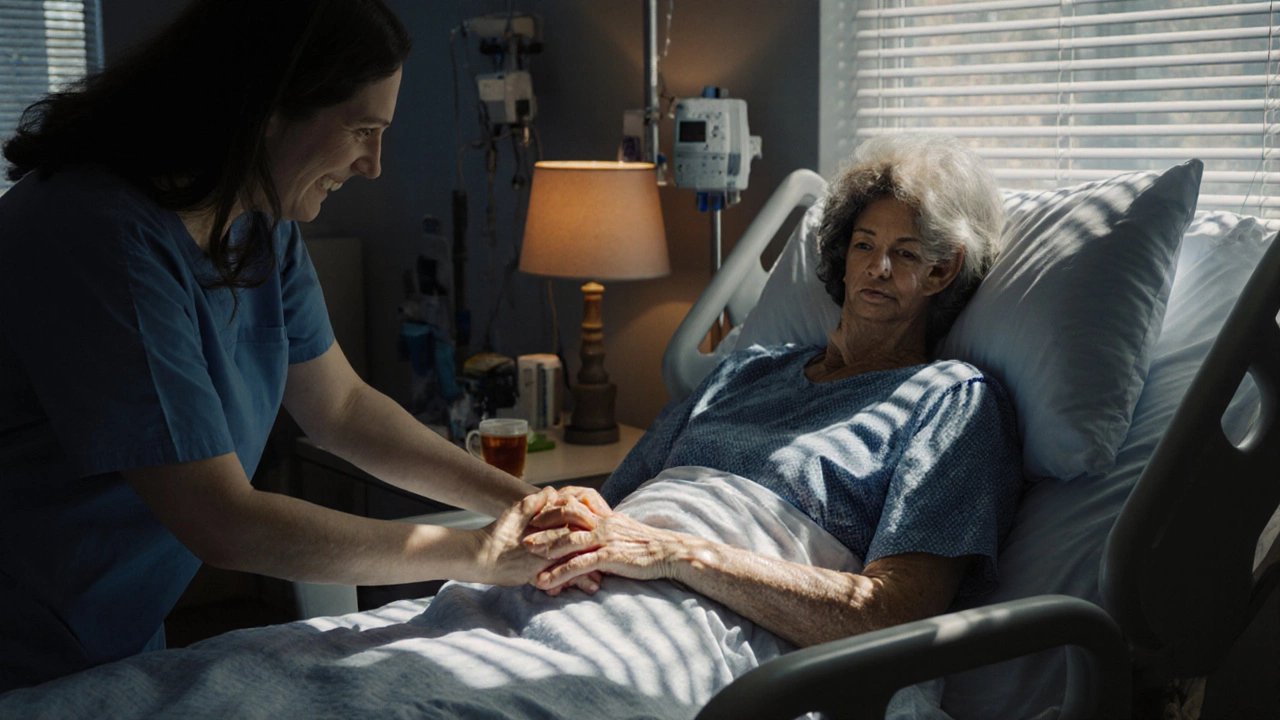
Emotional support, the quiet, consistent presence that helps someone feel seen and not alone is more powerful than any card or gift. A chemo patient doesn’t need you to fix their pain—they need you to sit with it. That means listening without offering advice, bringing soup without asking if they’re hungry, or just holding their hand during a long infusion. Cancer patient care, the daily acts of kindness that restore dignity when the body feels like it’s betraying you isn’t about grand gestures. It’s about remembering they still want to talk about their dog, their favorite show, or the weather—even if they’re too tired to shower.
People often avoid talking about chemo because it’s uncomfortable. But silence hurts more than awkward questions. Ask: "What’s the hardest part today?" Not "How are you?"—that’s a question that invites a polite lie. Show up with a warm blanket, a playlist of their favorite songs, or a notebook to jot down questions for their doctor. These small things build a safety net when the world feels like it’s falling apart.
Cancer compassion, the willingness to stay present even when you don’t have answers is the quiet hero of this journey. It’s not about being brave for them—it’s about being real. You don’t need to be a nurse or a counselor. You just need to be willing to show up, again and again, even when they’re too tired to say thank you.
Below, you’ll find real stories and practical advice from people who’ve walked this path—how to help without overstepping, what to say (and what not to say), and how to keep supporting someone long after the treatments end. These aren’t theories. They’re lessons learned in hospital waiting rooms, at kitchen tables, and in the quiet moments between chemo cycles.
Why Can't You Touch a Chemo Patient? Simple Rules for Safety and Support
You can't touch a chemo patient without understanding the risks. Learn why simple contact can be dangerous-and how to support them safely with love, not risk.
read more