Knee Rehab: What Works, What Doesn’t, and How to Get Back on Your Feet
When your knee rehab, a structured plan to restore strength, mobility, and function after injury or surgery. Also known as knee recovery, it’s not just what you do in the clinic—it’s what you do every day at home that makes the difference. Too many people think knee rehab ends when the doctor says you’re "cleared." But real recovery starts there. Whether you had a replacement, a torn ACL, or years of wear-and-tear osteoarthritis, your knee needs more than rest. It needs movement, muscle support, and smart habits.
Effective knee rehab isn’t one-size-fits-all. It’s built around your body, your pain level, and your goals. If you’re recovering from surgery, physical therapy for knee, a guided program using exercises, manual work, and equipment to rebuild joint function is non-negotiable. Studies show people who stick with it for at least 8–12 weeks regain up to 70% more mobility than those who quit early. But rehab isn’t just about stretching or doing squats. It’s about retraining your brain to move without fear. Pain doesn’t always mean damage—learning that difference is half the battle.
And then there’s the stuff that doesn’t work. Ice packs every hour? Maybe not. Sitting still for weeks? That’s how stiffness sets in. Some people wait too long to start moving, scared of hurting themselves. Others push too hard, thinking more reps equals faster results. Both end in setbacks. The best knee rehab balances patience with progress. It uses simple tools—resistance bands, foam rollers, walking—and consistency over intensity. If you’re managing osteoarthritis, daily low-impact movement like cycling or water walking can slow joint breakdown better than any pill.
What you eat, how you sleep, and even your stress levels all tie into how well your knee heals. You can’t out-exercise bad nutrition or chronic inflammation. That’s why many successful rehab plans include anti-inflammatory foods like turmeric and omega-3s—things you’ll find covered in our posts on natural pain relief. And if you’re delaying surgery because you’re afraid, our articles on knee replacement risks, the consequences of waiting too long for joint surgery, including increased pain and muscle loss show why timing matters just as much as technique.
You’ll find real stories here—not theory. People who walked again after a torn ligament. Those who avoided surgery by sticking to a daily rehab routine. Others who learned to manage arthritis without painkillers. These aren’t miracles. They’re results of smart, consistent action. Whether you’re just starting out or stuck in a plateau, the posts below give you the clear, no-fluff steps that actually move the needle. No gimmicks. No expensive gear. Just what works, one day at a time.
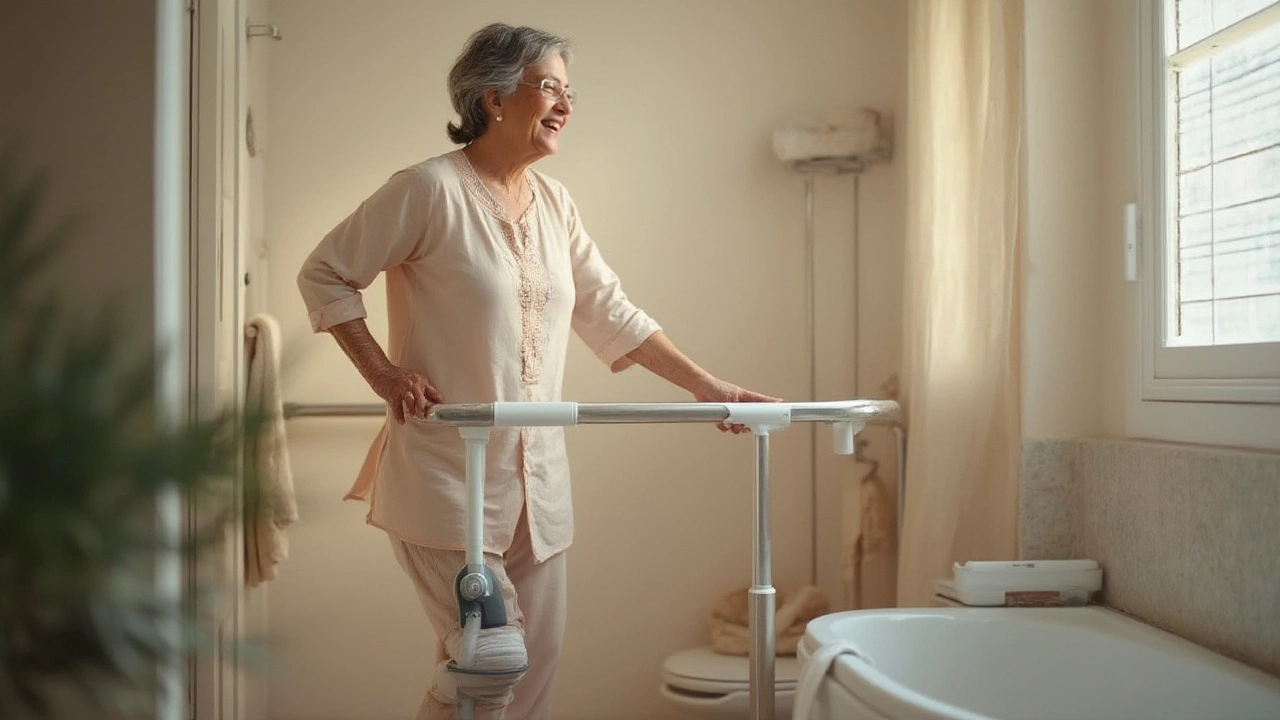
Can You Go to the Bathroom Alone After Knee Surgery? Tips, Truths & Recovery Guide
Find out if you can really use the bathroom by yourself after knee surgery, plus helpful tips, real-life advice, and safety info to make recovery easier and safer.
read more