Dosha Diet: Understand Your Ayurvedic Body Type and Eat for Balance
At the heart of Ayurveda is the dosha diet, a personalized eating system based on three biological energies—Vata, Pitta, and Kapha—that govern how your body functions. Also known as Ayurvedic eating, it’s not about counting calories or cutting carbs—it’s about syncing what you eat with your unique constitution to prevent illness, boost digestion, and feel steady all day. Unlike modern diets that push the same rules on everyone, the dosha diet says your body is different from your neighbor’s—and that’s okay. If you’re always tired, bloated, or emotionally scattered, your diet might be out of sync with your dosha.
The three doshas aren’t just theories—they show up in real ways. Vata, the energy of movement, tends to be dry, light, and quick. People with dominant Vata do best with warm, oily, grounding foods like soups, cooked grains, and root vegetables. Pitta, the fire energy, runs hot and sharp. Pitta types need cooling, calming foods—think cucumbers, coconut, and sweet fruits—to balance their natural intensity. And Kapha, the earth and water energy, is slow, heavy, and stable. Kapha needs light, spicy, and dry foods like legumes, leafy greens, and ginger tea to stay energized and avoid sluggishness. Mixing the wrong foods for your type—like cold salads for Vata or heavy sweets for Kapha—can trigger bloating, insomnia, or weight gain, even if you’re eating "healthy."
What the dosha diet actually looks like in daily life
You won’t find a dosha diet plan that says "eat this, avoid that" in a rigid way. Instead, it’s about patterns. A Vata-balancing breakfast might be oatmeal with ghee and cinnamon, eaten slowly at a regular time. Pitta folks might skip spicy chili and opt for a cooling mint yogurt smoothie. Kapha types might skip breakfast entirely and start with warm lemon water and a light lunch. These aren’t trends—they’re ancient practices backed by centuries of observation, and they show up in posts about Ayurvedic cleanses, food combinations to avoid, and the first 40 days of reset. You’ll see how people use this system to stop sugar cravings, improve sleep, and feel lighter without starving themselves.
The dosha diet isn’t about perfection. It’s about awareness. If you’ve tried keto, vegan, or intermittent fasting and felt worse afterward, it might not be the diet—it’s the mismatch. The posts here show real examples: how someone with Pitta dominance found relief by ditching coffee and spicy food, or how a Vata-dominant mom stabilized her energy by eating warm meals at set times. You don’t need to become an Ayurvedic expert. You just need to know your type, notice how food makes you feel, and make small, smart swaps. What follows is a collection of practical guides, real-life stories, and science-backed tips that connect directly to how your body responds to food. No fluff. No hype. Just what works when you stop fighting your natural rhythm.
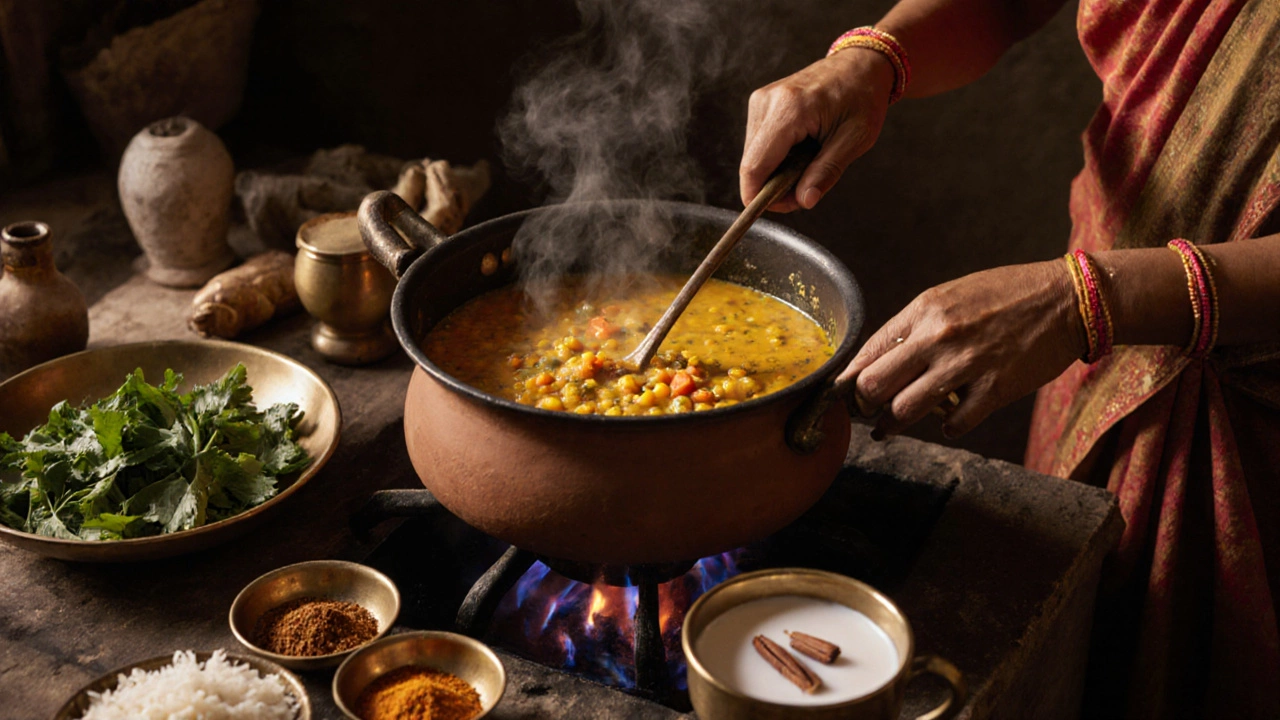
What is an Ayurvedic diet? A simple guide to eating by your body type
An Ayurvedic diet is a personalized eating plan based on your body type (dosha) to improve digestion, energy, and balance. It uses whole foods, spices, and mindful eating habits rooted in 5,000-year-old Indian medicine.
read more