Diabetes Meds: What Works, What to Avoid, and How to Stay in Control
When you’re managing diabetes meds, prescription drugs used to control blood sugar in people with type 1 or type 2 diabetes. Also known as antihyperglycemic agents, these medications aren’t just pills you take—they’re tools that shape your daily life, energy, and long-term health. In India, where over 100 million people live with diabetes, the right diabetes meds can mean the difference between feeling fine and facing complications like nerve damage, kidney issues, or vision loss.
Not all diabetes meds work the same way. Metformin, the most common first-line drug for type 2 diabetes, reduces liver sugar production and improves insulin sensitivity. Also known as Glucophage, it’s affordable, widely available, and rarely causes weight gain. But if you stop it, your body might swing back to old patterns—leading to weight gain, higher blood sugar, and more hunger. That’s why so many people ask: Will I gain weight after stopping metformin? The answer isn’t yes or no—it’s about what you replace it with. Then there’s insulin, a hormone therapy used when the body can’t make enough on its own. Also known as injectable glucose control, it’s essential for type 1 diabetes and sometimes needed in advanced type 2 cases. Insulin isn’t a failure—it’s a tool, and many people use it for years without issues.
Other diabetes meds include GLP-1 agonists like semaglutide (the active ingredient in Wegovy and Ozempic), which help with both blood sugar and weight loss. These are newer, pricier, and often used when metformin isn’t enough. But they’re not the only path. Many Indians turn to Ayurvedic approaches—like turmeric, bitter gourd, or specific dietary resets—to support their meds. These aren’t replacements, but they can help reduce inflammation, improve digestion, and make your body more responsive to treatment. The key is knowing what works for your body, not what’s trending.
What you’ll find in the posts below isn’t a list of every drug on the market. It’s real talk from people who’ve been there: why stopping metformin leads to weight gain, how to spot a trustworthy online pharmacy for prescriptions, what alternatives exist if your meds are too expensive, and how lifestyle changes can make your meds work better. No hype. No jargon. Just what you need to understand your options, ask the right questions, and take control—without feeling overwhelmed.

What Is the Best Medicine to Lower A1C? Top Options Backed by Science
The best medicine to lower A1C depends on your health needs. GLP-1 agonists like semaglutide offer the strongest A1C reduction and weight loss. SGLT2 inhibitors protect the heart and kidneys. Metformin remains the safest, cheapest starter. Choose based on your goals, not just the numbers.
read more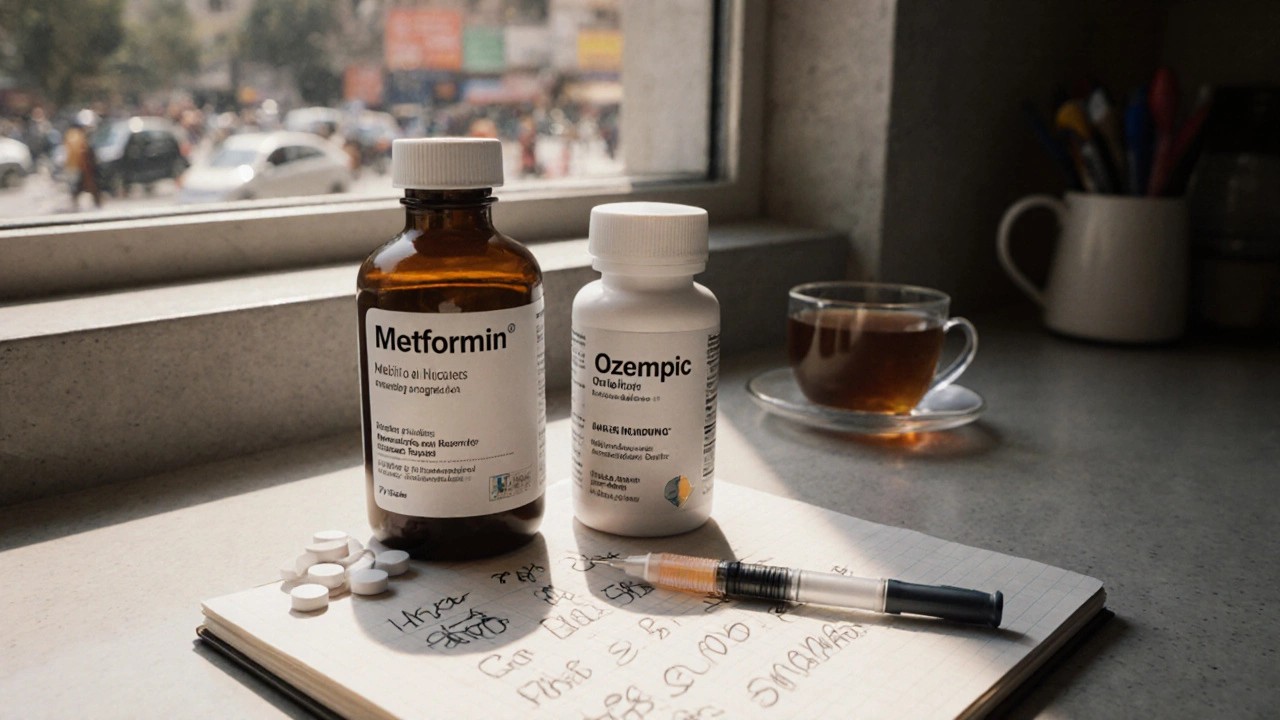
Is Metformin the Same as Ozempic? Key Differences Between These Diabetes Medications
Metformin and Ozempic both treat type 2 diabetes but work very differently. Metformin is a cheap, oral pill that improves insulin sensitivity. Ozempic is a weekly injection that promotes weight loss and heart protection. They’re not interchangeable.
read more