Deadliest Cancers: What They Are, How They Kill, and What You Can Do
When people talk about the deadliest cancers, cancers with the lowest survival rates due to late detection, aggressive biology, or limited treatment options. Also known as fatal cancers, these are not just scary—they’re silent killers that often show no symptoms until it’s too late. Not all cancers are the same. Some grow slowly and respond well to treatment. Others, like pancreatic cancer, a fast-spreading tumor in the organ that controls digestion and blood sugar, spread before anyone notices. Then there’s lung cancer, the leading cause of cancer death worldwide, often linked to smoking but also found in non-smokers due to pollution or genetics. These aren’t just medical terms—they’re real threats with numbers behind them.
What makes these cancers so deadly? It’s not just how fast they grow. It’s how hard they are to catch early. Pancreatic cancer hides deep inside the body. Lung cancer mimics a bad cold or smoker’s cough. Even when people feel fine, cancer can be spreading. And by the time pain shows up, it’s often stage three or four. That’s why survival rates drop so sharply. For pancreatic cancer, only about 12% of people live five years after diagnosis. For lung cancer, it’s around 23%. Compare that to breast or prostate cancer, where five-year survival is over 90%. The difference isn’t luck—it’s timing. Early detection saves lives. But detection requires awareness. That’s why knowing the warning signs matters more than you think. Some people ignore unexplained weight loss, persistent belly pain, or a cough that won’t quit. Those aren’t just annoyances. They could be your body screaming for help.
And here’s the thing: even with the worst cancers, treatment isn’t always about curing. Sometimes it’s about buying time. Chemo for stage four cancer isn’t always about hope—it’s about comfort, control, and dignity. That’s why posts like Chemo for Stage 4 Cancer: Benefits, Risks & Is It Worth It? matter. They cut through the noise and give real talk about what works, what doesn’t, and what you can actually live with. You’ll also find how How Long Can Someone Live With Cancer? shows survival isn’t just a number—it’s shaped by your age, lifestyle, and access to care. And if you’re worried about risk, Which Cancer Is the Most Feared? breaks down why pancreatic cancer tops the list—not because it’s the most common, but because it’s the most unforgiving.
This isn’t about scaring you. It’s about equipping you. Whether you’re someone who just lost a loved one, a caregiver trying to understand treatment options, or someone who’s brushing off a strange symptom, this collection gives you facts, not fear. You’ll find real stories, clear data, and practical steps—not hype, not guesses. The deadliest cancers don’t have to be a death sentence if you know what to look for, when to act, and how to ask the right questions. What you read below isn’t just information. It’s a tool.
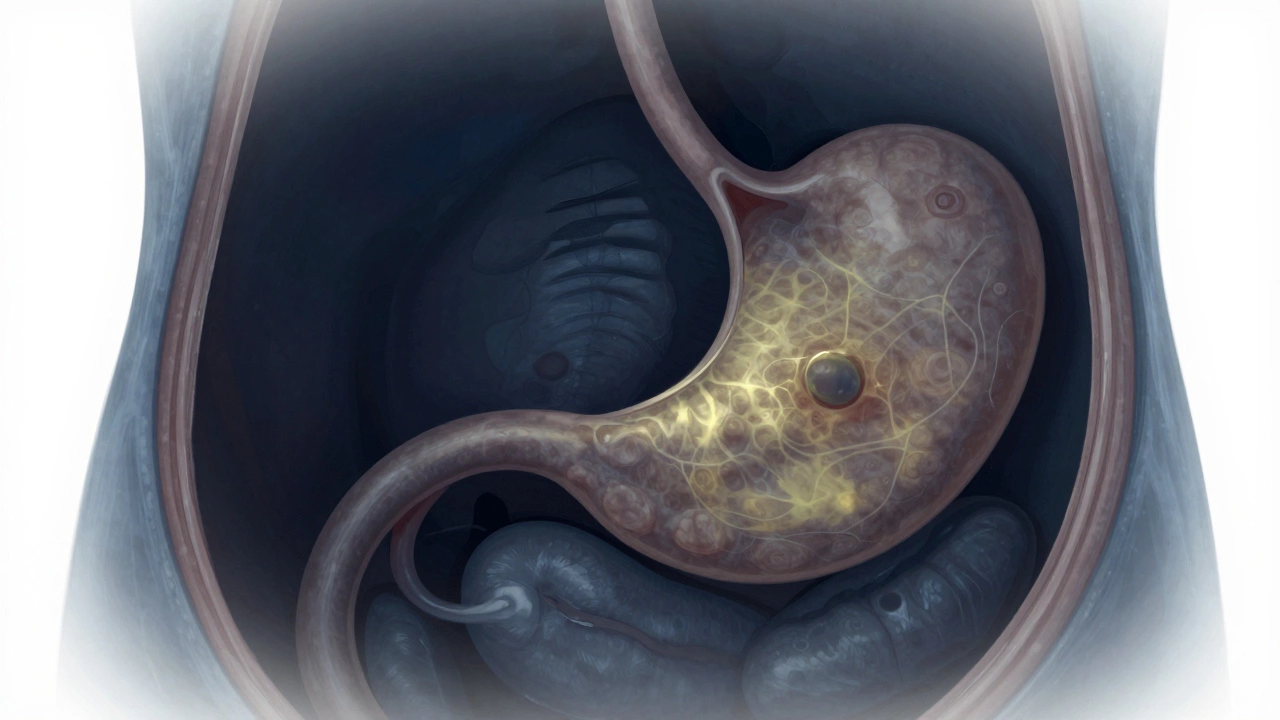
What Are the Top 3 Worst Cancers? Survival Rates, Symptoms, and Why They’re So Deadly
Pancreatic, lung, and ovarian cancers are the deadliest due to late detection and lack of screening. Learn why they’re so dangerous and what steps you can take to catch them early.
read more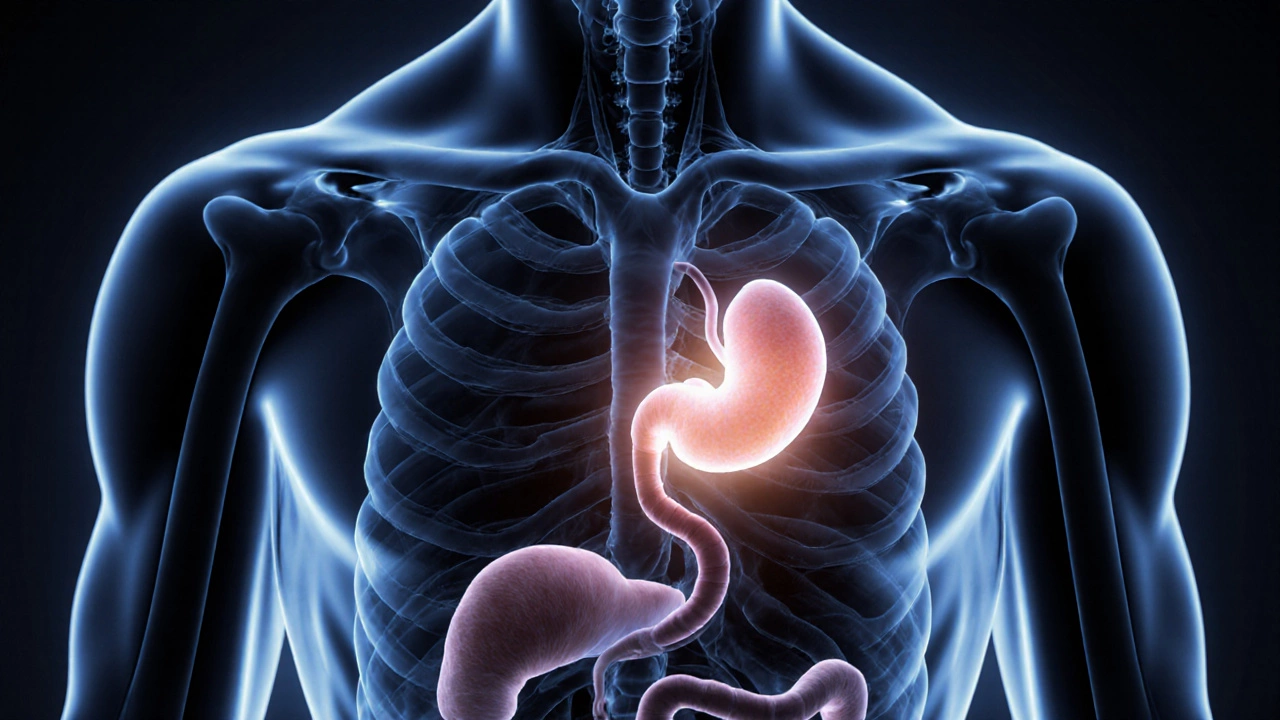
What Are the Deadliest Cancers and Why They’re So Hard to Treat?
Pancreatic, lung, liver, esophageal, and ovarian cancers are the deadliest due to late detection and poor treatment options. Learn why they're so dangerous and what you can do to reduce your risk.
read more