Curcumin: What It Is, How It Works, and Why It Matters in Indian Medicine
When you think of turmeric, you might picture yellow curry or a stain on your kitchen counter. But the real power lies in curcumin, the main active compound in turmeric root that gives it its medicinal punch. Also known as diferuloylmethane, curcumin is what turns a common spice into one of the most studied natural remedies in the world. It’s not magic—it’s chemistry. And in India, where Ayurveda has been using turmeric for over 5,000 years, curcumin isn’t just a supplement. It’s part of daily life.
Curcumin works by targeting inflammation at the molecular level. Unlike painkillers that just block signals, it quietly reduces the body’s own inflammatory triggers. That’s why it shows up in research on arthritis, joint pain, and even brain health. Studies from Indian medical journals have found curcumin helps reduce stiffness in knee osteoarthritis as effectively as some NSAIDs—but without the stomach damage. It also supports liver function, helps balance blood sugar, and may even slow down cell damage linked to aging. You’ll find it mentioned in posts about Ayurvedic cleanses, herbal supplements, and natural anxiety relief because it doesn’t just treat one thing—it supports the whole system.
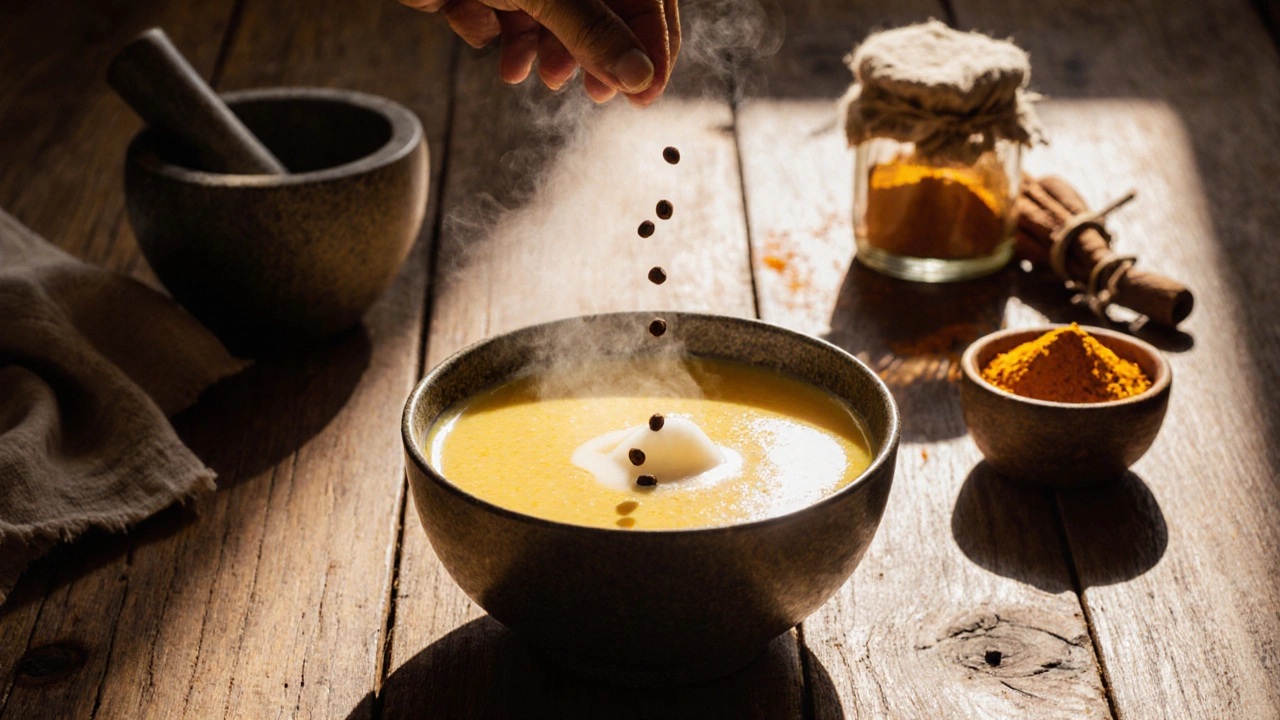
But here’s the catch: curcumin doesn’t absorb well on its own. That’s why Ayurveda always pairs turmeric with black pepper. The piperine in pepper boosts curcumin absorption by up to 2,000%. That’s not folklore—that’s science. And it’s why the best Ayurvedic remedies never use turmeric alone. You’ll see this pattern in posts about food combinations to avoid and how to do an Ayurvedic cleanse. The right pairing matters as much as the ingredient itself.
Curcumin also connects to bigger trends in Indian healthcare. With rising interest in herbal supplements and natural alternatives to drugs like metformin or Ozempic, curcumin stands out because it’s accessible, affordable, and backed by both tradition and peer-reviewed research. It’s not a replacement for medical treatment, but it’s a powerful tool for prevention and support. Whether you’re managing chronic pain, trying to reduce inflammation, or just looking for a clean way to support your body, curcumin offers a real, science-backed option.
Below, you’ll find real guides from people who’ve used curcumin in daily routines—from Ayurvedic diets to detox plans and herbal supplement reviews. These aren’t theory pieces. They’re practical, tested, and rooted in how curcumin actually works in Indian homes and clinics. No hype. Just what helps.
What Is the Number One Food That Kills Inflammation?
Turmeric is the number one food that fights inflammation, backed by science and centuries of use. Learn how curcumin, black pepper, and fat work together to reduce pain and swelling naturally.
read more