Bone Healing: How Your Body Repairs Fractures and What Helps It Faster
When a bone breaks, your body doesn’t just patch it up—it rebuilds it from the inside out. This process, called bone healing, the natural biological process where fractured bone tissue regenerates and restores strength over time, happens in stages and takes weeks to months, depending on the injury and your health. It’s not magic—it’s science. And understanding how it works can help you recover faster and stronger.
Bone repair, the sequence of cellular activity that turns broken bone back into solid, functional tissue starts with inflammation, then moves to soft callus formation, hard callus development, and finally remodeling. During this time, your body uses calcium, phosphorus, collagen, and vitamin D like building blocks. Without enough of these, healing slows down. That’s why people with poor nutrition, diabetes, or who smoke often take longer to recover. Bone growth, the process by which new bone tissue forms and integrates with existing bone isn’t just about rest—it’s about giving your body the right fuel and movement at the right time.
What you eat matters. Protein helps rebuild the bone matrix. Vitamin C supports collagen. Magnesium and zinc play supporting roles. And vitamin D? It’s the key that lets your body use calcium. But it’s not just food. Weight-bearing activity, even gentle walking after a doctor says it’s safe, signals your bones to strengthen. Too much rest? That can actually weaken the healing bone. And don’t ignore pain—if it gets worse instead of better, something’s wrong.
Some injuries need surgery. Others heal fine with a cast. But no matter the method, the body’s ability to fix itself depends on your age, overall health, and how well you follow medical advice. People over 65 heal slower. So do those with osteoporosis or who take steroids long-term. The good news? Most fractures heal completely if given the right conditions.
Below, you’ll find real stories and science-backed tips on what helps bone healing work faster—and what to avoid. From what to eat after a break, to how movement affects recovery, to why some people heal in weeks while others take months. This isn’t guesswork. It’s what actually works.
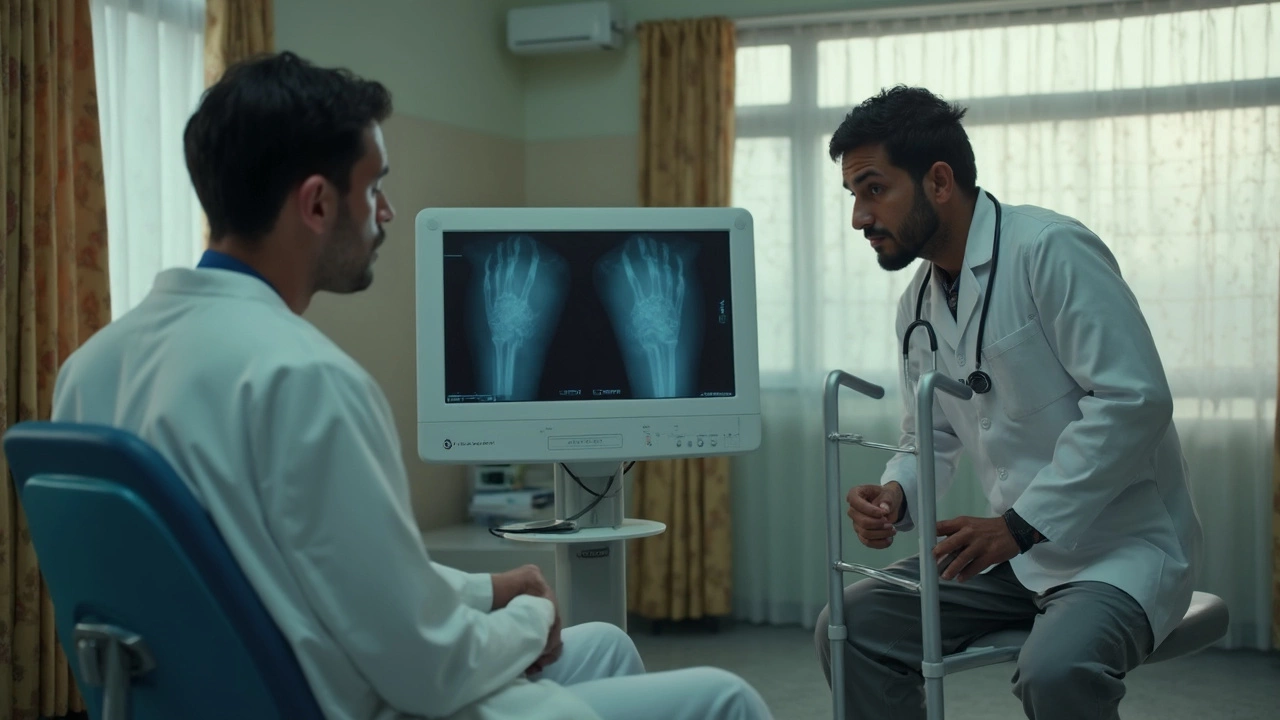
Hardest Bone to Heal: Why the Femur Tops the List
Ever wondered which bone gives doctors the most headaches when it comes to healing? This article digs into the femur, explains why it’s such a challenge, and breaks down what makes healing tough. Tips on recovery, interesting stories, and real-world advice for anyone dealing with tricky bone breaks. Perfect for anyone curious about what happens when bones don’t play nice. No jargon, just clear answers.
read more