Cardiac Arrest Survival Calculator
Calculate Your Survival Probability
Based on the article's data about cardiac arrest during surgery, this tool estimates survival chances based on key factors.
Estimated Survival Probability
Your survival probability based on current inputs
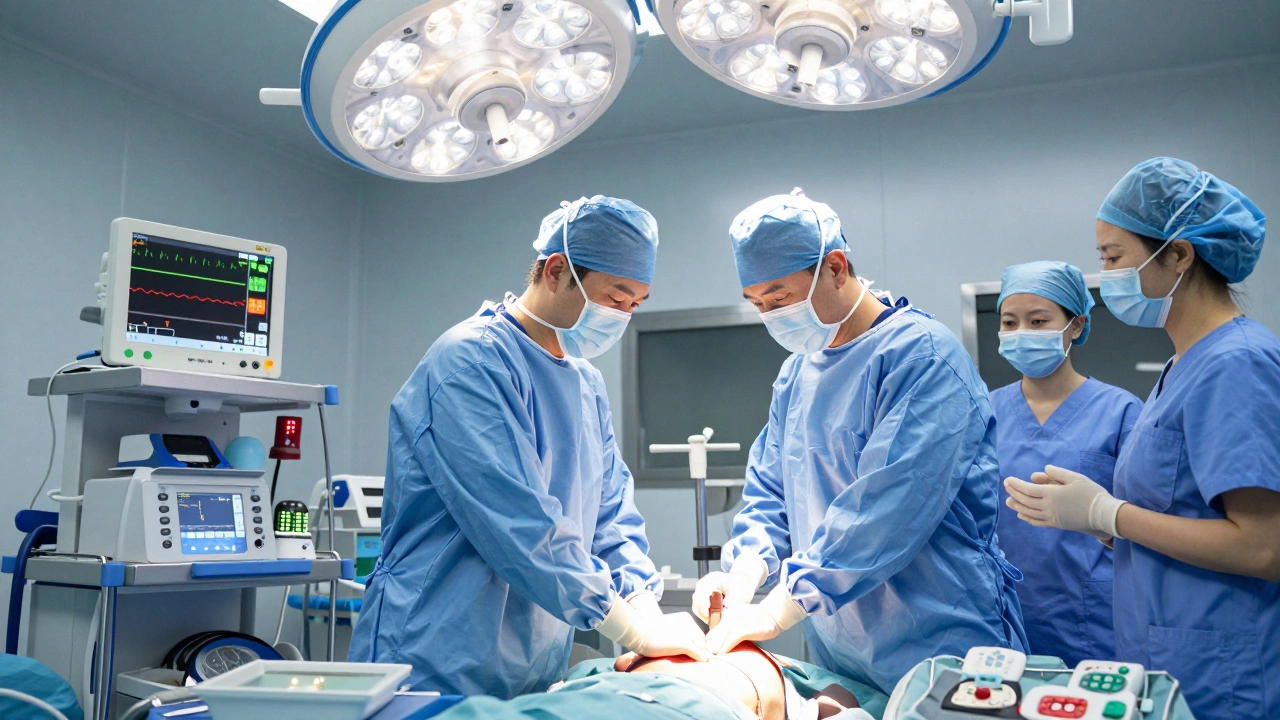
When your heart stops during surgery, it’s not the nightmare you might imagine. It’s a known risk - and hospitals are built to handle it. In fact, cardiac arrest during surgery happens in about 1 in every 200 to 500 operations, especially in high-risk procedures like open-heart surgery, major abdominal surgery, or emergency trauma cases. But here’s the thing: the moment your heart stops, the entire surgical team springs into action - not with panic, but with precision.
How Do They Know Your Heart Has Stopped?
During surgery, you’re wired to more monitors than you can count. Electrodes on your chest track your heart rhythm. A pulse oximeter on your finger measures oxygen in your blood. A blood pressure cuff or arterial line tells them how hard your heart is pumping. If your heart stops beating, the flatline on the monitor is immediate. So is the alarm. Within seconds, the anesthesiologist sees it. The surgeon hears it. The nurses stop what they’re doing. Everyone knows: this is code blue.
What Happens Next - Step by Step
There’s no waiting. No calling for help. The team is already trained. Here’s what happens in the first 60 seconds:
- The anesthesiologist calls out, “Cardiac arrest - start compressions!”
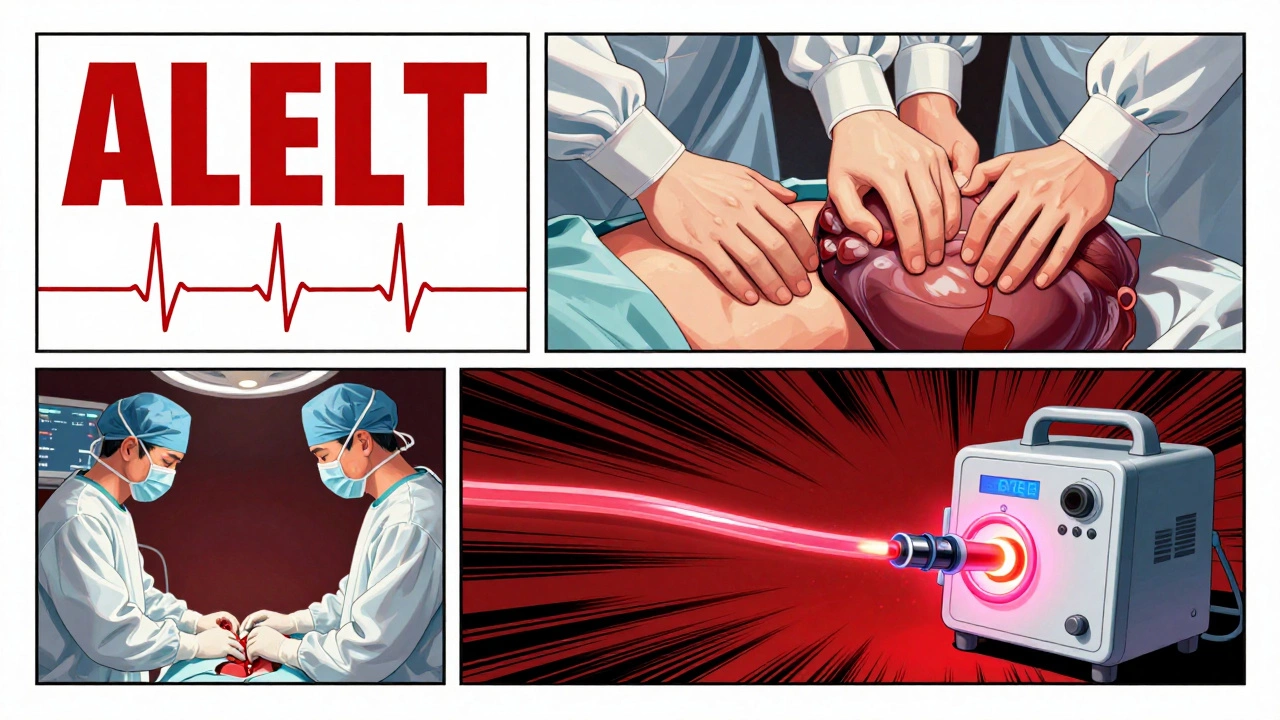
- One person immediately begins chest compressions - even if you’re still open-chested from surgery. If your chest is already open, they use their hands directly on your heart. It’s called direct cardiac massage.
- Another team member gives epinephrine or other resuscitation drugs through an IV line already in place.
- The anesthesiologist checks your airway and ensures you’re getting enough oxygen - you’re still on a ventilator, so breathing isn’t the issue.
- The surgeon pauses the procedure and focuses entirely on restarting the heart.
It’s not chaos. It’s choreography. Every person has a role. No one is guessing. This isn’t TV. Real-life code blues are faster, quieter, and more focused.
Why Does the Heart Stop During Surgery?
It’s rarely random. Most causes are predictable - and preventable. Here are the top reasons:
- Low blood volume - You lost blood during surgery, and your heart doesn’t have enough to pump.
- Electrolyte imbalance - Potassium or calcium levels drop too low during long procedures, messing with your heart’s electrical system.
- Heart attack during surgery - If you had undiagnosed coronary disease, the stress of surgery can trigger a heart attack.
- Anesthesia reactions - Rare, but some drugs can slow or stop your heart, especially if you’re sensitive or have other health issues.
- Pulmonary embolism - A blood clot travels to your lungs, blocking blood flow and crashing your heart.
- Heart muscle damage - During open-heart surgery, the heart is manipulated, cooled, or stopped on purpose. Sometimes, it doesn’t restart on its own.
Before surgery, your doctors run tests - EKG, echocardiogram, blood work - to spot these risks. But even the best prep can’t catch everything. That’s why the backup plan is always ready.
What If They Can’t Restart Your Heart?
It’s rare, but sometimes, despite everything, the heart won’t respond. That’s when the team turns to advanced tools:
- ECMO - Extracorporeal Membrane Oxygenation. A machine takes over your heart and lungs. Blood is pumped out of your body, oxygenated, and returned. It buys time - sometimes hours - while the team figures out what’s wrong.
- Intra-aortic balloon pump - A tiny balloon in your aorta inflates and deflates to help your heart pump.
- Temporary pacemaker - If your heart’s rhythm is broken but the muscle is strong, a wire can be inserted to shock it back into rhythm.
At major hospitals, teams practice cardiac arrest drills every month. They simulate open-chest arrests. They test new drugs. They review cases where they lost a patient - not to blame, but to improve. Survival rates for cardiac arrest during surgery have improved by 30% over the last 15 years, thanks to better training and tech.
What Are the Chances of Surviving?
It depends on why your heart stopped and how fast they acted. If it’s due to low blood volume and they fix it in under 5 minutes, your chance of survival is over 70%. If it’s from a massive heart attack or severe lung clot, survival drops to 20-30%. But here’s what most people don’t know: if your heart stops during open-heart surgery - the kind where your chest is already open - your survival rate is actually higher than if it stops in a regular operating room. Why? Because the surgeons have direct access to your heart. They can squeeze it by hand. They can inject drugs directly into the muscle. They can defibrillate it right away.
In fact, studies from the Cleveland Clinic and Johns Hopkins show that patients who arrest during open-heart surgery have a 50-60% survival rate - better than the average for cardiac arrest in other settings. That’s because the team is already prepared for the worst.
What Happens After You Wake Up?
If your heart restarts and you survive, you’re not out of the woods. You’ll go to the ICU, often on a ventilator. Your heart will be monitored closely for days. You might need medications to support your heart rhythm or blood pressure. Doctors will check for brain injury - if your heart was stopped for more than 10 minutes, oxygen deprivation can cause damage. But if they got to you fast, most people recover with no lasting issues.
Some patients feel anxious after. They worry it’ll happen again. That’s normal. But the odds of it happening a second time are extremely low - unless you have a chronic condition like severe heart failure or untreated coronary disease. Most people go on to live full lives after surviving cardiac arrest during surgery.
Can It Be Prevented?
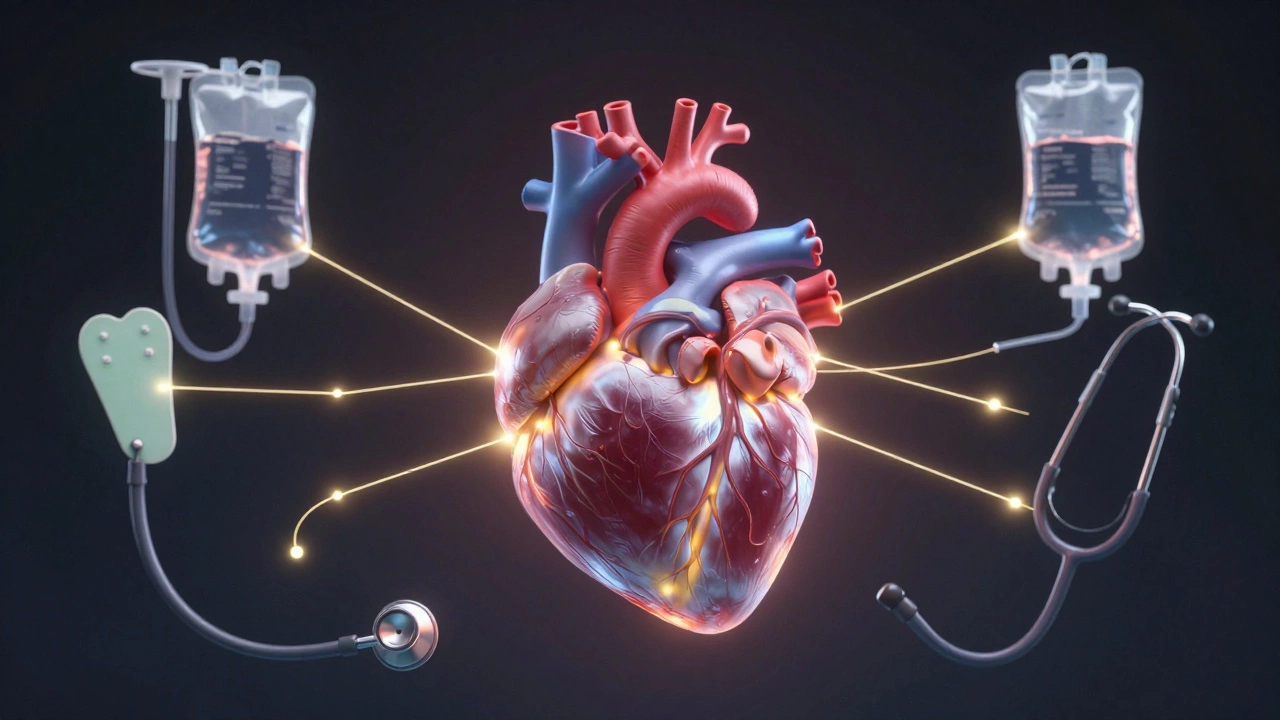
Yes - and that’s the real story. Prevention starts before you even enter the operating room. Your surgical team reviews your full history: past heart attacks, arrhythmias, kidney disease, medications, even your last blood test. They adjust anesthesia. They delay surgery if your potassium is low. They give you extra fluids if you’re dehydrated. They avoid drugs that could trigger an arrest.
For high-risk patients, some hospitals now use real-time AI monitors that predict cardiac arrest minutes before it happens - by spotting tiny changes in heart rhythm or blood pressure patterns. These tools aren’t perfect yet, but they’re becoming standard in top surgical centers in the U.S., Europe, and India.
One study from Apollo Hospitals in Chennai tracked 12,000 cardiac surgeries over five years. They found that using predictive monitoring reduced cardiac arrests during surgery by 41%. That’s not magic. That’s science.
What Should You Ask Your Doctor Before Surgery?
If you’re scheduled for heart surgery or any major operation, here are three questions to ask:
- “What’s my risk of cardiac arrest during surgery, based on my health?”
- “Do you have a code blue team ready, and have they trained for open-chest arrests?”
- “Have you used any predictive monitoring tools in past cases?”
Don’t be afraid to ask. The best surgeons welcome these questions. They know you’re not just a patient - you’re someone’s parent, partner, or child. And they want you to go home.
Final Thought: It’s Not a Failure - It’s a Plan
When your heart stops during surgery, it’s not a sign that something went wrong. It’s a sign that the system is working. The monitors are on. The team is ready. The drugs are loaded. The hands are waiting. Modern surgery doesn’t promise perfection - but it does promise preparedness. And that’s what keeps you alive when everything else fails.
Can your heart stop during routine surgery like a knee replacement?
Yes, but it’s rare. Routine surgeries like knee replacements have a cardiac arrest risk of less than 1 in 1,000. Most cases happen in older patients with hidden heart disease. That’s why pre-op screenings are so important - even for “simple” procedures.
How long can the brain survive if the heart stops during surgery?
The brain can survive about 4 to 6 minutes without oxygen before damage starts. That’s why CPR and oxygen delivery must begin immediately. In surgery, since you’re already on a ventilator and the team acts within seconds, most patients avoid brain injury - even if the heart stops for 8-10 minutes.
Do they use a defibrillator if the heart stops during surgery?
Yes - but only if the heart is in a shockable rhythm like ventricular fibrillation. If the heart has completely stopped (asystole), defibrillation won’t help. Instead, they use chest compressions and epinephrine. Defibrillators are always ready, but they’re not the first tool used.
Is it safer to have surgery in a big hospital than a small one?
Generally, yes. Large hospitals have dedicated cardiac arrest teams, advanced monitoring, ECMO machines, and staff trained in high-volume emergency response. Small hospitals can still manage cardiac arrests, but survival rates are slightly lower - especially for complex cases. If you’re high-risk, ask where the nearest ECMO-capable center is.
Can anesthesia cause your heart to stop?
It’s possible, but very rare. Modern anesthetics are much safer than older ones. Most heart arrests linked to anesthesia happen because of underlying health problems - not the drugs themselves. Anesthesiologists monitor your vital signs every few seconds and adjust doses in real time to prevent this.

Write a comment