Ayurvedic Food: What It Is, What to Eat, and What to Avoid
When you hear Ayurvedic food, a dietary system rooted in 5,000-year-old Indian medicine that matches food to your body type for balance and healing. Also known as Ayurvedic diet, it doesn't just tell you what to eat—it tells you how, when, and why to eat it. This isn't another trend. It’s a living tradition that sees food as medicine, not just calories. And unlike fad diets, it doesn’t ask you to cut out entire food groups. It asks you to pay attention—to your digestion, your energy, and your body’s signals.
At the heart of Ayurvedic food is the idea of dosha balance, your unique mind-body constitution made up of Vata, Pitta, and Kapha energies. Vata, Pitta, and Kapha each need different foods to stay calm and strong. If you’re always tired and bloated, you might be Vata-dominant and need warm, oily, grounding meals. If you get heartburn or irritability easily, Pitta needs cooling, bitter foods. And if you struggle to lose weight or feel sluggish, Kapha needs light, spicy, dry options. Your food isn’t just fuel—it’s the tool that brings your system back into rhythm. That’s why Viruddha Ahara, the Ayurvedic concept of food incompatibilities that disrupt digestion and create toxins. food combinations that clash, matters just as much as what you eat. Mixing milk with fruit, honey with heat, or cheese with tomatoes might sound harmless—but in Ayurveda, these pairings can trigger inflammation, gas, and long-term imbalance. It’s not about being perfect. It’s about avoiding the small habits that slowly wear you down. And yes, this connects to real science. Turmeric, a staple in Ayurvedic meals, is backed by studies showing its curcumin content reduces inflammation better than many drugs. But here’s the catch: turmeric needs black pepper and fat to work. That’s not a recipe trick—it’s Ayurvedic wisdom in action.
What you’ll find in these posts isn’t a list of superfoods. It’s a practical guide to eating in a way that actually works with your body—not against it. You’ll learn which foods calm your digestion, which ones secretly cause fatigue, and how to build meals that don’t just fill your stomach but restore your energy. Whether you’re trying to reduce inflammation, manage stress, or just feel less bloated after meals, the answers aren’t in expensive supplements or extreme cleanses. They’re in the way you combine your food, the timing of your meals, and the simple habits you’ve ignored for years. The posts below show you exactly how to start.
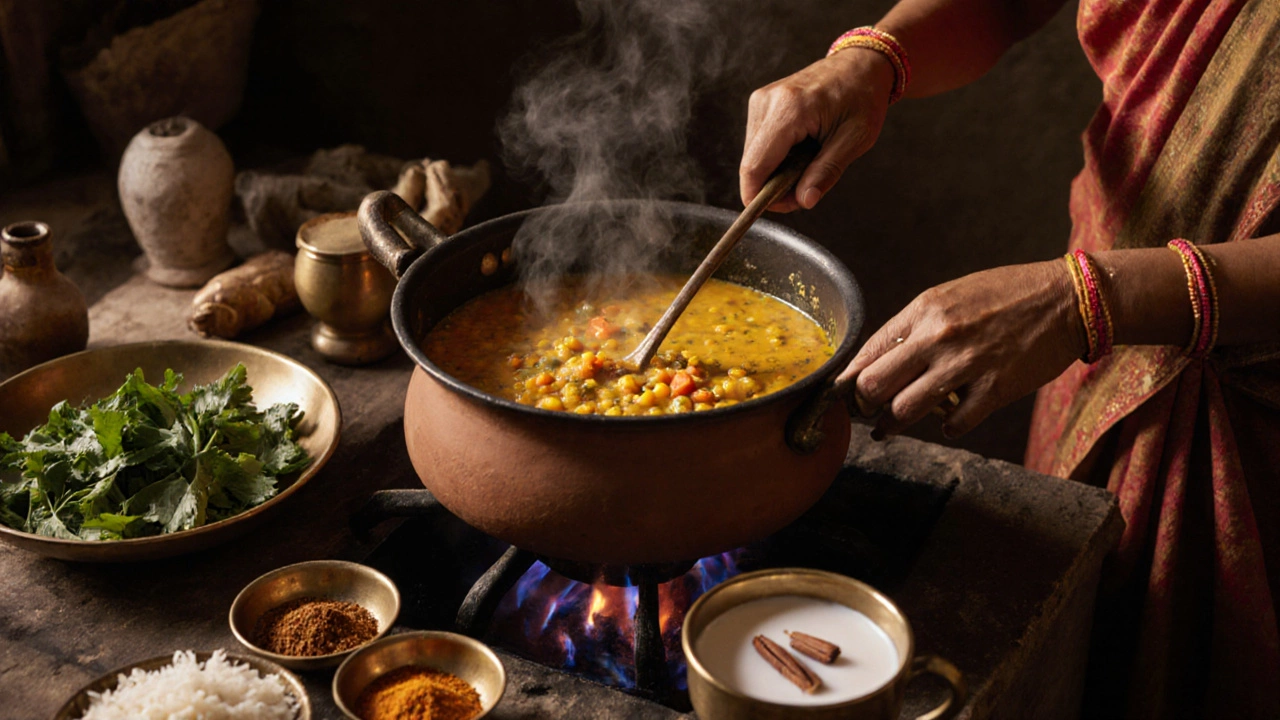
What is an Ayurvedic diet? A simple guide to eating by your body type
An Ayurvedic diet is a personalized eating plan based on your body type (dosha) to improve digestion, energy, and balance. It uses whole foods, spices, and mindful eating habits rooted in 5,000-year-old Indian medicine.
read more