Aggressive Cancers: What They Are, How They Spread, and What You Can Do
When we talk about aggressive cancers, cancers that grow quickly, spread to other parts of the body early, and resist standard treatments. Also known as high-grade tumors, these are the types that demand fast, precise action—not just hope. Unlike slow-moving cancers that might take years to cause symptoms, aggressive cancers often show up suddenly, spread before they’re found, and don’t always respond to the first treatment tried. This isn’t about fear—it’s about understanding what you’re up against so you can act smarter.
Not all cancers are the same. pancreatic cancer, a type known for its stealthy growth and poor survival rates is often called the most feared because it’s rarely caught early. lung cancer, especially small cell lung cancer is another classic example—fast-spreading, often linked to smoking, and tough to treat once it moves beyond the lungs. Then there’s glioblastoma, a deadly brain tumor that grows like weeds through healthy tissue, making surgery nearly impossible. These aren’t just scary names—they’re real, measurable threats with survival rates that reflect how hard they are to control.
What makes a cancer aggressive? It’s not just where it starts—it’s how it behaves. These tumors often have genetic mutations that let them ignore signals to stop growing, evade the immune system, and hijack blood vessels to feed themselves. They don’t wait. They spread. And that’s why aggressive cancers require more than standard care—they need early detection, targeted therapies, and sometimes clinical trials. The good news? Modern medicine is getting better at identifying these cancers faster. Blood tests, advanced imaging, and genetic profiling are helping doctors spot trouble before it’s too late.
And treatment? It’s not one-size-fits-all. For some, chemotherapy for stage 4 cancer, used to shrink tumors and slow spread when cure isn’t possible can buy time and comfort. For others, immunotherapy or precision drugs targeting specific mutations offer better results with fewer side effects. But even the best treatments won’t help if the cancer isn’t caught early. That’s why knowing the warning signs—unexplained weight loss, persistent pain, unusual bleeding, or a lump that won’t go away—isn’t optional. It’s life-saving.
What you’ll find in the posts below isn’t just theory. It’s real talk from people facing these cancers, doctors explaining what actually works, and clear breakdowns of survival rates, treatment trade-offs, and how lifestyle choices can make a difference—even when the cancer is fast-moving. No fluff. No false hope. Just facts, strategies, and what matters most when time is short.
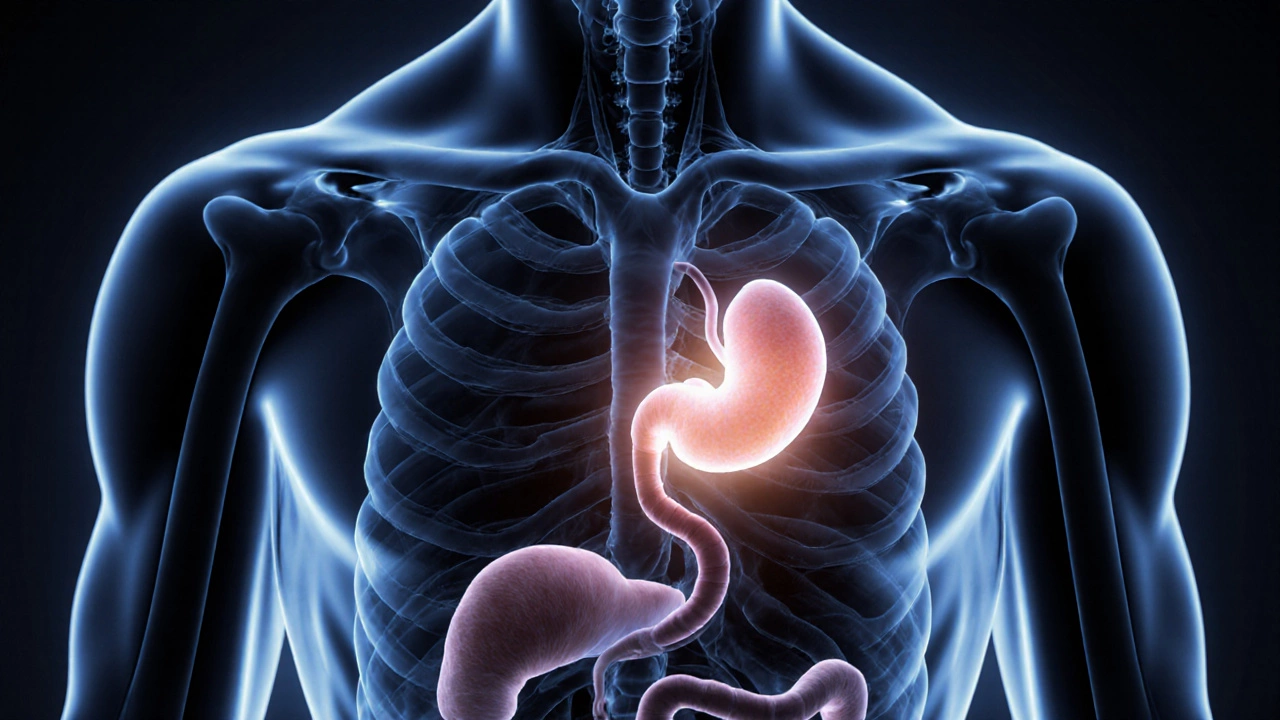
What Are the Deadliest Cancers and Why They’re So Hard to Treat?
Pancreatic, lung, liver, esophageal, and ovarian cancers are the deadliest due to late detection and poor treatment options. Learn why they're so dangerous and what you can do to reduce your risk.
read more
Hardest Cancer to Treat: Why Pancreatic Cancer Tops the List
Some cancers fight back no matter what doctors throw at them. This article digs into why pancreatic cancer is known as the toughest to treat, covering what makes it so hard to catch early, how it resists treatment, and what new strategies are in the works. You'll get facts, real numbers, and tips for those going through the toughest cancer battles. No empty promises, just straight talk about the reality of aggressive cancers. The article also shares hope—what’s changing in research and support right now.
read more