
IVF Sperm Sample Quality Checker
Enter your estimated values below to see how they compare against World Health Organization (WHO) lower reference limits. This tool helps you understand if a sample is likely sufficient for standard IVF or requires advanced techniques like ICSI.
About These Metrics
- Concentration: The number of sperm per milliliter of semen. Low counts may require washing or ICSI.
- Motility: The percentage of sperm moving forward progressively. Essential for natural fertilization; less critical for ICSI.
- Morphology: The percentage of sperm with normal shape. Strict criteria are used. Low morphology often indicates DNA fragmentation risks.
You’ve got the appointment booked. The clinic sent you a sterile cup. Maybe you’re wondering if it’s as awkward as everyone says, or if there’s actually a scientific reason why they ask you to wait two to five days before showing up. Here’s the reality: sperm collection is the single most critical step in the male side of In Vitro Fertilization (IVF). If this sample doesn’t meet specific quality metrics, the entire cycle might stall.
It’s not just about getting sperm into a container. It’s about preserving motility, count, and morphology while avoiding contamination that could kill the embryos later. Whether you are doing standard IVF or Intracytoplasmic Sperm Injection (ICSI), how you collect that sample determines what the embryologist can actually work with. Let’s break down exactly how this works, why the prep matters, and what happens if things don’t go according to plan.
The Standard Method: Masturbation on Site
For the vast majority of men undergoing IVF, the method is straightforward: masturbation at the clinic. This isn’t arbitrary. Clinics insist on on-site collection because time is the enemy of sperm viability. Once ejaculated, sperm begin to die off rapidly outside the body. Most labs require the sample to be analyzed within one hour of production. If you try to bring a sample from home, even in a warm pocket, the temperature fluctuations and delay often degrade the quality enough to skew results or reduce fertilization potential.
You’ll be given a sterile, wide-mouthed plastic cup. Do not touch the inside rim or the lid. Any bacteria from your hands can contaminate the sample, which introduces infection risks during the egg retrieval phase. You’ll likely be directed to a private room-often called a "donor room" or "collection suite." These rooms range from basic hospital-style stalls to surprisingly comfortable spaces with TVs and magazines. The goal is privacy and minimal stress. Stress releases cortisol, which can temporarily inhibit ejaculation or alter sperm parameters, so take your time.
| Method | Best For | Success Rate Impact | Invasiveness |
|---|---|---|---|
| Masturbation (On-site) | Most men; standard cases | High (Standard Gold Standard) | None |
| Non-Spermicidal Condom | Religious objections to masturbation | Moderate (Requires careful handling) | Low |
| Electroejaculation | Spinal cord injury; anejaculation | Variable (Often requires processing) | Medium (Anesthesia required) |
| Surgical Retrieval (TESE/PESA) | Blockages; zero sperm in ejaculate | High (If sperm found) | High (Minor surgery) |
Why the Abstinence Window Matters
Your doctor will give you a specific window for abstinence-usually between two and five days. Why this specific timeframe? It’s a balancing act between quantity and quality. Abstaining for less than two days means your sperm count might be lower because your body hasn’t had time to replenish reserves. Abstaining for more than five days leads to "aged" sperm. Older sperm have higher DNA fragmentation rates. High DNA fragmentation doesn’t necessarily stop fertilization, but it significantly increases the risk of poor embryo development, miscarriage, and implantation failure.
Think of it like fresh bread versus stale bread. Both are bread, but one performs better when baked. In clinical studies, samples collected after two to three days of abstinence consistently show the best balance of concentration and motility. If you abstain for ten days, you might have a massive volume, but half those swimmers might be broken or dead. Stick to the window. If you accidentally ejaculate the day before your appointment, tell your doctor. They might still proceed, but they’ll adjust expectations.
Special Circumstances: When Masturbation Isn’t an Option
Not every man can or wants to masturbate at the clinic. Some religious beliefs prohibit it. Others struggle with performance anxiety in a sterile medical environment. In these cases, clinics offer alternatives.
Non-Spermicidal Condoms: Regular condoms contain lubricants and spermicides designed to kill sperm. You cannot use these. You need a special silicone condom provided by the clinic. These are free of spermicides. You collect the sample during intercourse, then transfer it to the sterile cup immediately. Note that this method often yields slightly lower quality results due to exposure to vaginal fluids or slight delays in transfer, but it’s viable for many couples.
Home Collection: If you absolutely must collect at home, you need to get the sample to the lab within 30 to 60 minutes. Keep it close to body temperature-between 98.6°F (37°C) and 104°F (40°C). Too cold, and sperm lose motility; too hot, and they die. Use a specialized transport kit if available. However, be aware that many clinics reject home-collected samples for actual IVF cycles because the chain of custody and timing are hard to verify perfectly.

Surgical Sperm Retrieval: TESE, PESA, and MESA
What if there’s no sperm in the ejaculate? This condition is called azoospermia. It happens in about 1% of all men and 10-15% of infertile men. Causes include blockages (like a vasectomy reversal failure) or production issues (testicular failure). In these cases, doctors skip the cup entirely and go straight to surgery.
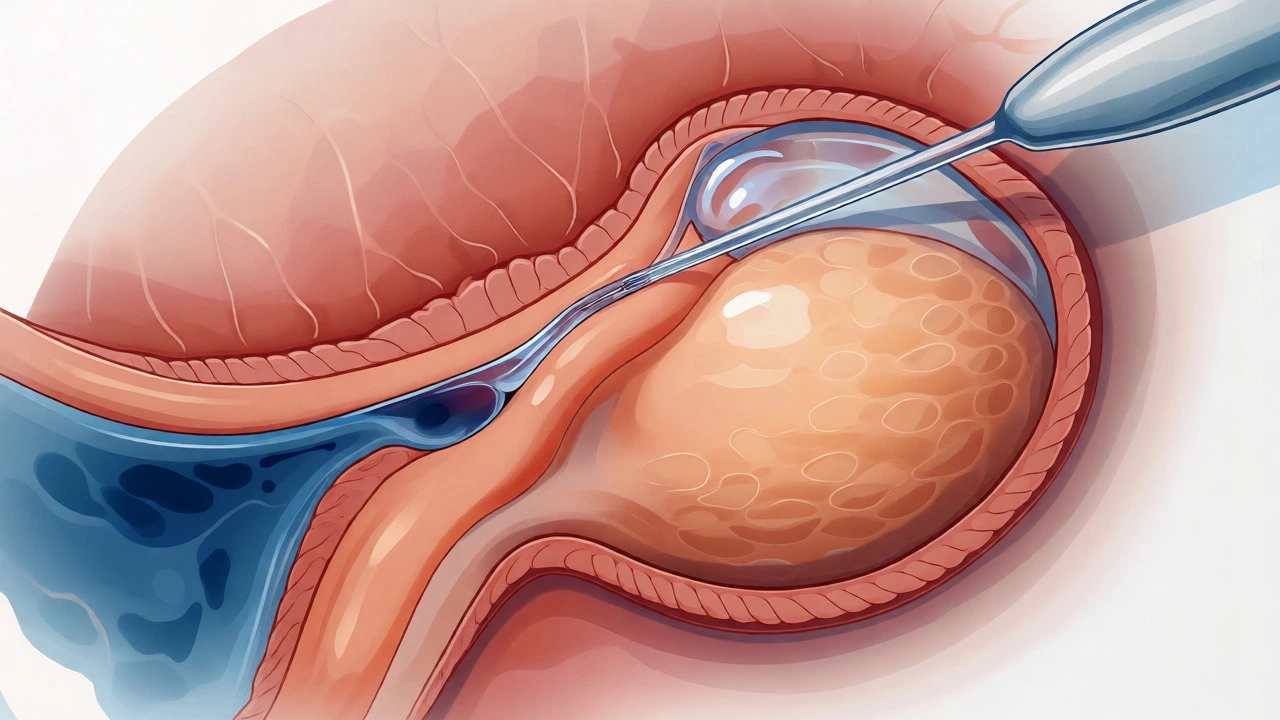
PESA (Percutaneous Epididymal Sperm Aspiration) is a minimally invasive procedure where a needle is inserted through the skin into the epididymis-the tube behind the testicle where sperm mature-to suck out fluid containing sperm. It’s quick, often done under local anesthesia, and leaves no scar.
If PESA fails or isn’t suitable, doctors move to TESE (Testicular Sperm Extraction). This involves taking small tissue samples directly from the testicle. Because sperm production happens here, TESE has a higher success rate for finding sperm in men with non-obstructive azoospermia. The downside? It’s a minor surgical procedure requiring sedation or general anesthesia, and recovery takes a few days.
There’s also Micro-TESE, a microscopic version of TESE. A surgeon uses a high-powered microscope to identify dilated seminiferous tubules that are more likely to contain sperm. This maximizes sperm yield while minimizing tissue damage. It’s the gold standard for severe male factor infertility.
Preparing Your Body Before the Appointment
You can’t fix years of lifestyle choices in two days, but you can optimize your immediate output. Hydration is key. Dehydration reduces seminal fluid volume, making the sample harder to process. Drink plenty of water the day before and the morning of.
Avoid alcohol and recreational drugs for at least 48 hours prior. Alcohol lowers testosterone and impairs sperm motility. Smoking constricts blood vessels, reducing oxygen supply to the testes. If you’re sick with a fever, tell your doctor. Fevers above 101°F (38.3°C) can temporarily halt sperm production for weeks. You might need to reschedule.
Do not use lubricants during collection unless specifically approved by your clinic. Most commercial lubricants are toxic to sperm. If you need help, saliva is generally acceptable in small amounts, though some clinics prefer you avoid it entirely to prevent enzyme interference. Check with your nurse beforehand.
What Happens After Collection?
Once you hand over the cup, the clock starts ticking. The embryologist performs a semen analysis immediately. They check three main things:
- Concentration: How many sperm per milliliter? WHO guidelines suggest a lower reference limit of 15 million/mL.
- Motility: How many are moving progressively? You want at least 32% progressive motility.
- Morphology: How many look normal? Strict criteria say only 4% need to be perfect shapes to be considered normal.
If the numbers look good, the lab performs "sperm washing." This separates healthy, motile sperm from seminal plasma, debris, and immobile sperm. The washed sperm are then placed in a culture medium ready for fertilization. If you’re doing ICSI, the embryologist picks a single, best-looking sperm and injects it directly into an egg. If you’re doing conventional IVF, thousands of washed sperm are placed around the eggs in a dish, hoping one penetrates naturally.
If the initial sample was poor, labs sometimes allow a second attempt. However, producing a second sample within an hour is difficult for many men. That’s why preparation and mental readiness matter. Don’t rush. Take the time you need.
Troubleshooting Common Issues
Did you spill some of the sample? Don’t panic. Report it immediately. Partial loss affects volume, but if the remaining portion has high concentration, it might still be usable. Did you miss the cup entirely? Tell the staff. They won’t judge. You’ll likely get a new cup and more time.
What if you can’t ejaculate? Performance anxiety is real. Some clinics allow partners to enter the room to assist. Others provide visual aids. If all else fails, some centers offer electroejaculation under mild sedation, though this is rare for standard IVF candidates.
Remember, the goal isn’t perfection; it’s usability. Even suboptimal samples can lead to successful pregnancies, especially with ICSI technology. Trust your embryologist’s expertise. They deal with millions of samples a year. They know how to rescue a bad sample.
Can I bring my own container for sperm collection?
Generally, no. You should use the sterile container provided by the clinic. Home containers may not be sterile, or they might contain residues from detergents that harm sperm. Additionally, clinics need to track the exact time of collection, which is easier with their labeled cups.
Does smoking affect sperm collection for IVF?
Yes. Smoking damages sperm DNA and reduces motility. While quitting right before collection won’t reverse long-term damage, avoiding cigarettes for at least 48 hours helps ensure the freshest possible sample without acute nicotine effects on vascular health.
What if I have low sperm count?
Low count doesn’t mean IVF fails. With ICSI, embryologists only need a handful of healthy sperm. They can even retrieve sperm surgically if necessary. Focus on optimizing motility and morphology through hydration and abstinence windows rather than worrying solely about total count.
Is sperm collection painful?
No. Standard masturbation is painless. Surgical retrievals like TESE involve local anesthesia or sedation, so you shouldn’t feel pain during the procedure. There may be mild soreness afterward, similar to a bruise, which resolves in a few days.
How long does the whole collection process take?
Plan for 30 to 60 minutes. This includes registration, waiting for privacy, the collection itself, and handing off the sample. Labs need the sample processed quickly, so arrive early to avoid rushing.

Write a comment