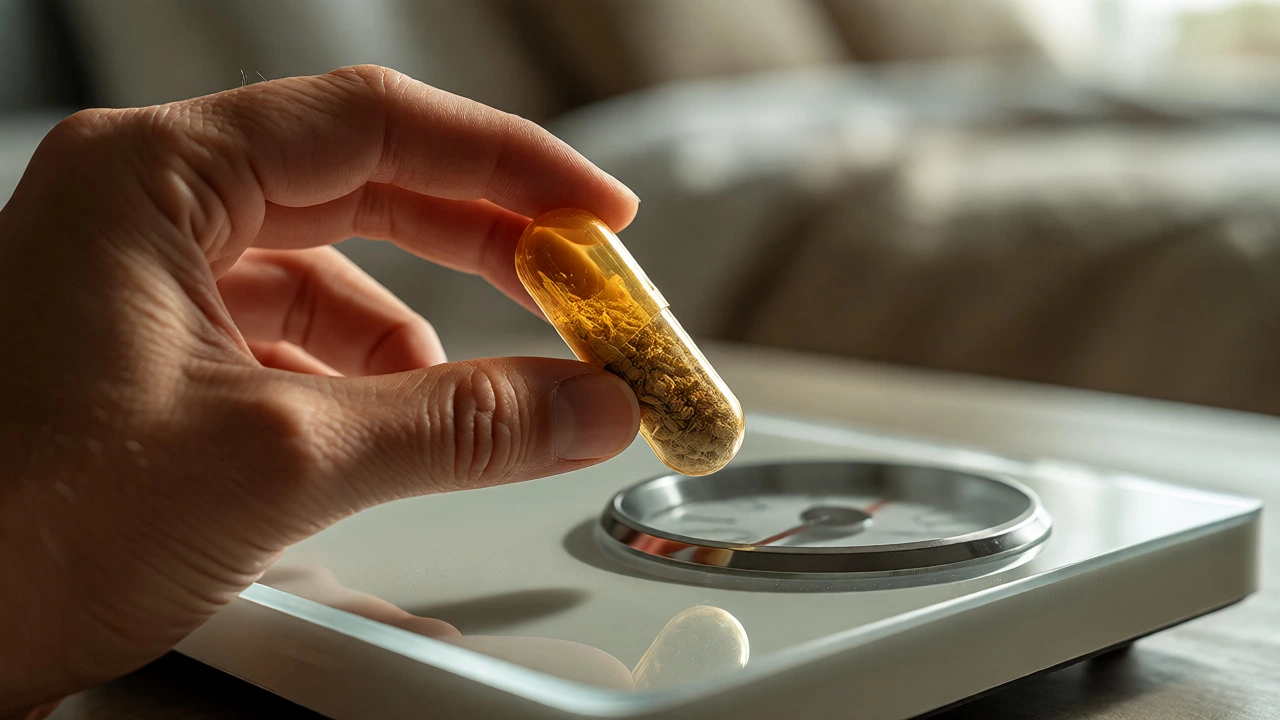
Ashwagandha Weight Impact Estimator
This tool helps you understand why the scale might move when taking Ashwagandha. It is not a medical diagnostic tool but an educational estimator based on common physiological responses described in research.
Adjust the sliders and click "Estimate Impact" to see potential outcomes.
Likely Outcome:
Important Note
Ashwagandha does not contain calories. Any weight change is usually due to: 1) Muscle Growth (positive), 2) Cortisol Reduction (may lead to fat loss or neutral), or 3) Appetite Normalization (may lead to slight gain if previously undereating). Always consult a healthcare provider before starting new supplements, especially if you have thyroid issues or are pregnant.
You pop a capsule of Ashwagandha is an adaptogenic herb used in Ayurveda to help the body manage stress, hoping for better sleep and less anxiety. But two weeks later, you step on the scale and see the number creep up. Did this ancient root just sabotage your diet? It’s a confusing scenario because most marketing materials promise that Ashwagandha helps with energy and focus, not necessarily fat loss. Yet, anecdotes online suggest some users feel bloated or heavier after starting the supplement.
The short answer is no, Ashwagandha does not contain calories or ingredients that directly add fat mass. However, it changes how your body handles stress hormones, which can indirectly influence your weight. To understand why the scale might move, we need to look at what happens inside your body when you take this herb, specifically regarding cortisol, insulin, and muscle retention.
How Ashwagandha Interacts With Your Stress Hormones
To get to the bottom of the weight question, you have to look at Cortisol is the primary stress hormone produced by the adrenal glands. When you are stressed, your body releases cortisol. High levels of cortisol tell your body to store energy, primarily as fat, especially around the midsection. This is an evolutionary survival mechanism: if you’re under threat, your body wants fuel reserves ready for a fight or flight response.
Ashwagandha is classified as an Adaptogen is a natural substance that increases the body's resistance to stress. Its main job is to lower cortisol levels. Several clinical trials have shown that standardized extracts like KSM-66 or Sensoril can reduce serum cortisol levels by significant margins, sometimes up to 30% in chronically stressed individuals. If your weight gain was previously driven by high-stress-induced fat storage, lowering cortisol should theoretically help you lose weight, not gain it.
But here is where it gets tricky. If your weight gain isn’t from stress fat but from fluid retention or increased appetite due to improved well-being, the outcome looks different. Some people report feeling "fuller" or having reduced water retention issues initially, while others notice a slight increase in weight due to muscle preservation during workouts.
The Muscle Mass Factor: Why the Scale Might Lie
If you hit the gym regularly, Ashwagandha might actually make you heavier on the scale without making you fatter. This is one of the most common reasons people panic about weight gain when starting this supplement. Research indicates that Ashwagandha can improve strength and muscle recovery. A study published in the Journal of the International Society of Sports Nutrition found that participants taking Ashwagandha saw greater increases in muscle mass compared to those taking a placebo.
Muscle tissue is denser than fat tissue. If you are gaining muscle while losing fat, your body composition improves, but the number on the scale stays the same or even goes up. This is often called "recomposition." If you start lifting weights more effectively because your energy levels are higher (another reported benefit of the herb), you might build lean mass faster than you burn fat. In this context, "weight gain" is actually a positive health marker.
Appetite and Digestive Changes
Another angle to consider is appetite regulation. Stress often suppresses appetite in some people and causes emotional eating in others. By stabilizing mood and reducing anxiety, Ashwagandha might restore a normal hunger signal. If you were previously too anxious to eat properly, you might find yourself eating more normally once the herb kicks in. This isn't metabolic weight gain; it's simply returning to a baseline caloric intake.
Additionally, Ashwagandha affects thyroid function. It has been shown to potentially increase levels of T3 and T4 thyroid hormones in people with subclinical hypothyroidism. Since thyroid hormones regulate metabolism, an increase in these hormones usually speeds up metabolism, leading to weight loss. However, if your thyroid is already hyperactive, adding more thyroid support could cause jitteriness or other side effects, though direct weight gain from this mechanism is rare unless combined with dietary changes.

Water Retention and Bloating Myths
Some users complain of bloating shortly after starting Ashwagandha. Is this true weight gain? Usually, no. True weight gain involves adipose tissue (fat) or muscle. Bloating is often gastrointestinal. Ashwagandha can have mild laxative properties or affect gut motility in sensitive individuals. If you experience temporary swelling, it is likely water weight or digestive gas, which resolves within a few days as your system adjusts.
There is also the issue of supplement quality. Cheap Ashwagandha powders might be mixed with fillers like maltodextrin or sugar to improve taste. If you are taking a low-quality powder rather than a standardized extract capsule, you might be consuming extra calories and carbohydrates unknowingly. Always check the label for pure root extract versus whole root powder with additives.
Comparing Effects: Stress vs. Metabolic Impact
To visualize how Ashwagandha influences weight through different pathways, consider this breakdown of its biological mechanisms:
| Biological Mechanism | Effect on Weight | Likelihood | Explanation |
|---|---|---|---|
| Cortisol Reduction | Potential Loss | High | Lowers stress-induced abdominal fat storage. |
| Muscle Synthesis | Potential Gain | Moderate | Improves strength training results, adding lean mass. |
| Thyroid Stimulation | Potential Loss | Moderate | Boosts metabolic rate in hypothyroid cases. |
| Appetite Normalization | Neutral/Gain | Low | Restores normal hunger cues, possibly increasing food intake. |
| Water Retention | Temporary Gain | Low | Initial adjustment period may cause minor bloating. |

Who Should Be Careful?
While Ashwagandha is generally safe for healthy adults, certain groups need to watch their weight changes closely. People with autoimmune diseases like Hashimoto’s thyroiditis should consult a doctor before using it, as the immune-boosting and thyroid-stimulating effects could exacerbate conditions. If your thyroid becomes overactive, you might lose weight rapidly, which isn't always desirable if you are trying to maintain a healthy BMI.
Pregnant women should avoid Ashwagandha entirely, as it has been linked to miscarriage risks in animal studies. For anyone on medication for diabetes, keep an eye on blood sugar levels. Ashwagandha can lower blood glucose, which might lead to hypoglycemia if not monitored, potentially causing you to eat more to compensate for low energy dips.
Practical Tips for Managing Weight While Using Ashwagandha
If you are worried about the scale, don't stop taking the herb immediately. Instead, track your progress differently. Here is how to ensure Ashwagandha supports your goals rather than hindering them:
- Track Measurements, Not Just Weight: Use a tape measure around your waist and hips. If your waist size decreases while your weight stays the same, you are losing fat and gaining muscle.
- Choose Standardized Extracts: Look for brands that specify withanolide content (the active compound). KSM-66 and Sensoril are well-researched forms that minimize filler ingredients.
- Monitor Your Diet: Keep a food diary for the first month. See if your appetite actually increases significantly. Often, perceived hunger is just habit or boredom, not physiological change.
- Give It Time: Adaptogens work cumulatively. Most benefits appear after 4-8 weeks. Initial fluctuations are rarely permanent.
The Verdict: Does It Make You Fat?
No, Ashwagandha does not inherently cause fat gain. In fact, for many people, it aids in weight management by tackling the root cause of stubborn belly fat: chronic stress. Any weight increase is likely due to muscle growth, normal appetite restoration, or temporary water shifts. If you combine Ashwagandha with a balanced diet and regular exercise, you are far more likely to see improvements in body composition than unwanted pounds.
Does Ashwagandha boost metabolism?
Yes, it can. Ashwagandha supports thyroid function, which regulates metabolic rate. By helping normalize thyroid hormones (T3 and T4), particularly in people with sluggish thyroids, it can help the body burn calories more efficiently. However, it is not a magic fat burner like caffeine; the effect is subtle and works best when correcting hormonal imbalances.
Why do I feel bloated after taking Ashwagandha?
Bloating is usually a temporary digestive adjustment. Ashwagandha can stimulate gastric secretions or alter gut motility. Additionally, some cheap supplements use fillers that cause gas. Try taking it with food, switching to a higher-quality extract, or starting with a lower dose to let your gut adjust.
Can Ashwagandha help lose belly fat?
It can help indirectly. Belly fat is strongly linked to high cortisol levels caused by stress. Since Ashwagandha lowers cortisol, it reduces the body's tendency to store visceral fat. Studies show that subjects with chronic stress who took Ashwagandha had significant reductions in body weight and BMI compared to placebo groups.
Is Ashwagandha good for diabetics?
It may be beneficial, but caution is needed. Ashwagandha has been shown to lower blood sugar levels and improve insulin sensitivity. If you are already on medication for diabetes, adding Ashwagandha could cause your blood sugar to drop too low (hypoglycemia). Monitor your levels closely and consult your doctor before starting.
How long does it take for Ashwagandha to work?
Most clinical studies observe significant effects after 8 to 12 weeks of consistent daily use. You might feel slight calming effects within a week, but metabolic and hormonal changes, such as cortisol reduction and muscle adaptation, take time. Patience is key; it is not a quick-fix stimulant.

Write a comment