
Cancer Symptom Checker & Awareness Tool
Check any boxes that apply to your current condition. Focus on symptoms that have persisted for more than two weeks.
Awaiting Input
Select your symptoms on the left and click "Analyze" to see potential areas of concern and next steps.
You wake up one morning with a strange lump under your arm. It doesn't hurt. You think it’s probably nothing-maybe a bug bite or a blocked sweat gland. But what if that tiny, painless bump is the first whisper of something serious? Cancer is often silent in its earliest stages, but it rarely stays quiet forever. The difference between a manageable diagnosis and a life-threatening battle often comes down to timing. And timing depends entirely on how well you listen to your body.
We tend to ignore weird bodily changes because we’re busy, scared, or just hoping they’ll go away. But ignoring specific signals can cost you precious time. This isn’t about hypochondria; it’s about awareness. If you notice any of these ten signs persisting for more than two weeks, it’s time to see a doctor. Not next month. Now.
Key Takeaways
- Duration matters: Most benign issues resolve quickly. Symptoms lasting over two weeks need investigation.
- Painless lumps are suspicious: Hard, immovable lumps without pain are more concerning than tender, soft ones.
- Unexplained weight loss: Losing 5% of your body weight without trying is a major red flag for several cancer types.
- Changes in habits: Sudden shifts in bowel movements, bladder function, or skin appearance warrant a check-up.
- Blood is never normal: Blood in urine, stool, or sputum should always be evaluated by a professional.
Unexplained Weight Loss
Everyone wants to lose a few kilos, right? But losing weight without changing your diet or exercise routine is a different story. If you drop more than 10 pounds (about 4.5 kg) unintentionally within six months, pay attention. This is often the first sign of pancreatic, stomach, esophageal, or lung cancer. Why does this happen? Cancer cells consume massive amounts of energy, stealing calories from healthy tissues. They also release chemicals that change how your body processes food, leading to muscle wasting even if you’re eating normally. If your clothes start fitting looser despite no gym visits, book an appointment.
Fatigue That Doesn’t Go Away
Tiredness after a long day at work is normal. Exhaustion that sleep doesn’t fix is not. Extreme fatigue is a common symptom of leukemia and other blood cancers, as well as colon and stomach cancers. In these cases, the cancer may be using up your body’s nutrients or causing bleeding that leads to anemia. Unlike regular tiredness, cancer-related fatigue feels heavy and debilitating. It affects your ability to perform daily tasks and doesn’t improve with rest. If you feel drained regardless of how much you sleep, get your blood counts checked.
Lumps or Thickening Anywhere on the Body
Many people find lumps during self-exams. Breast cancer often presents as a hard lump with irregular edges. However, lumps can appear anywhere-in the testicles, lymph nodes in the neck or groin, or soft tissues. A lump that is painless, hard, and fixed in place (doesn’t move when you push it) is more concerning than a soft, movable, painful one. Painful lumps are often cysts or infections. Painless lumps require immediate imaging or biopsy. Don’t wait for it to grow larger; smaller tumors are easier to treat.
Skin Changes Beyond Sunburn
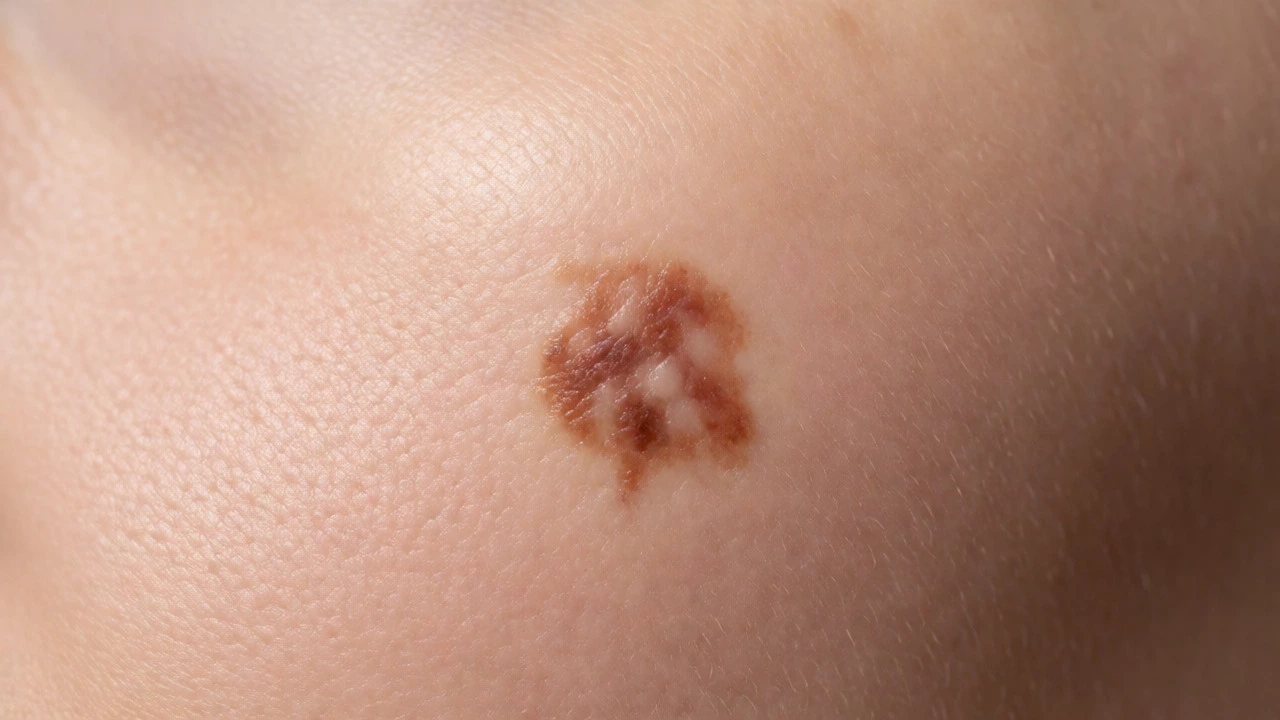
Your skin can tell you a lot about internal health. While melanoma is the most famous skin cancer, others present differently. Look for sores that don’t heal, especially on the lips or inside the mouth. Yellowing of the skin and eyes (jaundice) can signal liver cancer or bile duct blockage. Darker-than-normal patches of skin, particularly around folds like the armpits or neck (acanthosis nigricans), can indicate insulin resistance linked to certain cancers. Also, watch for new moles or existing moles that change size, shape, or color. Use the ABCDE rule: Asymmetry, Border irregularity, Color variation, Diameter greater than 6mm, and Evolving.
A Persistent Cough or Hoarseness
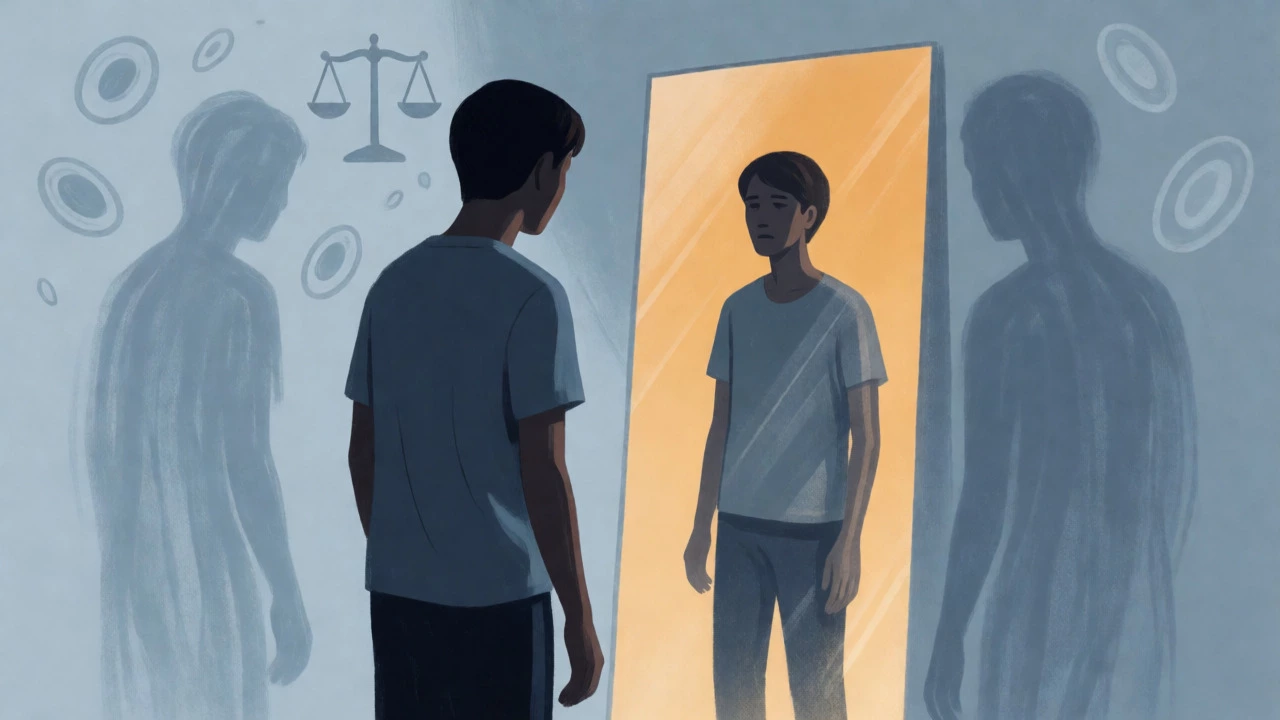
A cough that lingers for weeks might seem like a stubborn cold or allergies. But if it persists beyond three weeks, consider lung cancer. A dry, hacking cough that won’t quit, sometimes accompanied by chest pain or wheezing, needs a chest X-ray. Similarly, persistent hoarseness lasting more than two weeks can be a sign of throat or thyroid cancer. If your voice sounds raspy or weak without a recent viral infection, see an ENT specialist. Early-stage laryngeal cancer has a very high survival rate, but only if caught before it spreads.
Changes in Bowel or Bladder Habits
Our bodies have rhythms. When those rhythms break suddenly, it’s worth investigating. For bowel habits, look for constipation, diarrhea, or narrowing of stools that lasts more than a few days. These can signal colon or rectal cancer. Blood in the stool-whether bright red or black and tarry-is a critical warning sign. Black stool indicates bleeding higher up in the digestive tract. For bladder habits, frequent urination, urgency, or difficulty starting the stream can point to prostate cancer in men or bladder cancer in both sexes. Never assume blood in urine is just a minor infection; always get it tested.
Indigestion or Difficulty Swallowing
Occasional heartburn is common. Chronic indigestion that doesn’t respond to antacids is not. Persistent trouble swallowing (dysphagia), where food feels stuck in your throat or chest, is a hallmark of esophageal cancer. You might also experience unexplained nausea or vomiting after meals. These symptoms can mimic acid reflux disease (GERD), which makes them easy to dismiss. But if standard treatments fail to relieve your discomfort, ask for an endoscopy. Catching esophageal issues early prevents severe complications and improves treatment outcomes significantly.
Unusual Bleeding or Discharge
Bleeding where it shouldn’t occur is a loud alarm bell. Coughing up blood (hemoptysis) suggests lung involvement. Vaginal bleeding between periods or after menopause requires a gynecological exam to rule out uterine or cervical cancer. Nipple discharge, especially if it’s bloody or clear and unilateral (from one breast only), needs evaluation. Even minor bleeding from gums or nose that becomes frequent and hard to stop could indicate blood disorders like leukemia. Track the frequency and volume. One-time incidents might be accidental; recurring episodes are patterns that doctors need to see.
Night Sweats
Do you wake up drenched in sweat, needing to change your sheets? While menopause causes hot flashes, night sweats unrelated to room temperature or bedding thickness can signal lymphoma or leukemia. These sweats are often intense enough to soak through pajamas. They may accompany fever and weight loss, forming a triad of symptoms known as B-symptoms in Hodgkin lymphoma. If you’re experiencing these alongside swollen lymph nodes, seek medical advice promptly. Blood tests and imaging can quickly clarify whether this is hormonal, infectious, or malignant.
New or Changing Moles
We touched on skin earlier, but moles deserve their own spotlight. Basal cell carcinoma, the most common skin cancer, often looks like a pearly bump or a sore that bleeds easily. Squamous cell carcinoma might appear as a scaly red patch. Melanoma is the deadliest, characterized by asymmetrical shapes and uneven colors. Photograph your moles monthly. Compare the photos. If a mole grows rapidly, itches, or starts oozing, it’s time for a dermatologist visit. Remember, sun exposure accumulates over decades, so damage can show up later in life. Protection starts now, but detection saves lives today.
Comparison: Benign vs. Malignant Signs
| Feature | Benign Cause (Likely) | Malignant Concern (Check Doctor) |
|---|---|---|
| Lump Texture | Soft, movable, tender | Hard, fixed, painless |
| Weight Change | Diet/exercise related | Unintentional, rapid (>5%) |
| Fatigue | Improves with rest/sleep | Persistent, unrelieved by rest |
| Bleeding | Minor, occasional, known cause | Recurrent, unexplained, dark/bright |
| Cough | Resolves in <3 weeks | Persists >3 weeks, dry/hacking |
Next Steps: What To Do Next
If you recognize yourself in any of these descriptions, don’t panic. Panic clouds judgment. Instead, take action. Keep a symptom diary. Note when the symptom started, how often it occurs, and what makes it better or worse. Bring this log to your primary care physician. They will likely order basic blood work, imaging (like an ultrasound or CT scan), or refer you to a specialist. Early detection means less aggressive treatment and higher survival rates. For instance, localized breast cancer has a nearly 99% five-year survival rate, while metastatic rates drop sharply. Your vigilance is your best defense.
Frequently Asked Questions
How long should I wait before seeing a doctor about a symptom?
The general rule of thumb is two weeks. If a symptom like a cough, lump, or digestive issue persists for more than 14 days without improvement, schedule an appointment. Immediate attention is needed for bleeding, sudden weight loss, or severe pain.
Can stress cause symptoms that mimic cancer?
Yes, absolutely. High stress can cause fatigue, digestive issues, headaches, and even chest tightness. However, stress rarely causes unexplained weight loss, persistent lumps, or blood in bodily fluids. Always let a doctor differentiate between stress responses and organic disease.
Are all lumps dangerous?
No. Most lumps are benign cysts, lipomas (fatty deposits), or swollen lymph nodes due to infection. Key indicators of concern are hardness, lack of mobility, and absence of pain. Ultrasound can usually distinguish between fluid-filled cysts and solid masses quickly.
Does family history increase my risk of these signs appearing?
Family history increases genetic predisposition to certain cancers like breast, ovarian, and colorectal. If you have close relatives with these diagnoses, start screening earlier than the general population. Be extra vigilant about the signs listed above.
Is blood in urine always cancer?
Not always. Urinary tract infections (UTIs), kidney stones, and enlarged prostates commonly cause hematuria. However, painless blood in urine is a classic sign of bladder cancer and must be investigated via cystoscopy and urine cytology to rule out malignancy.

Write a comment