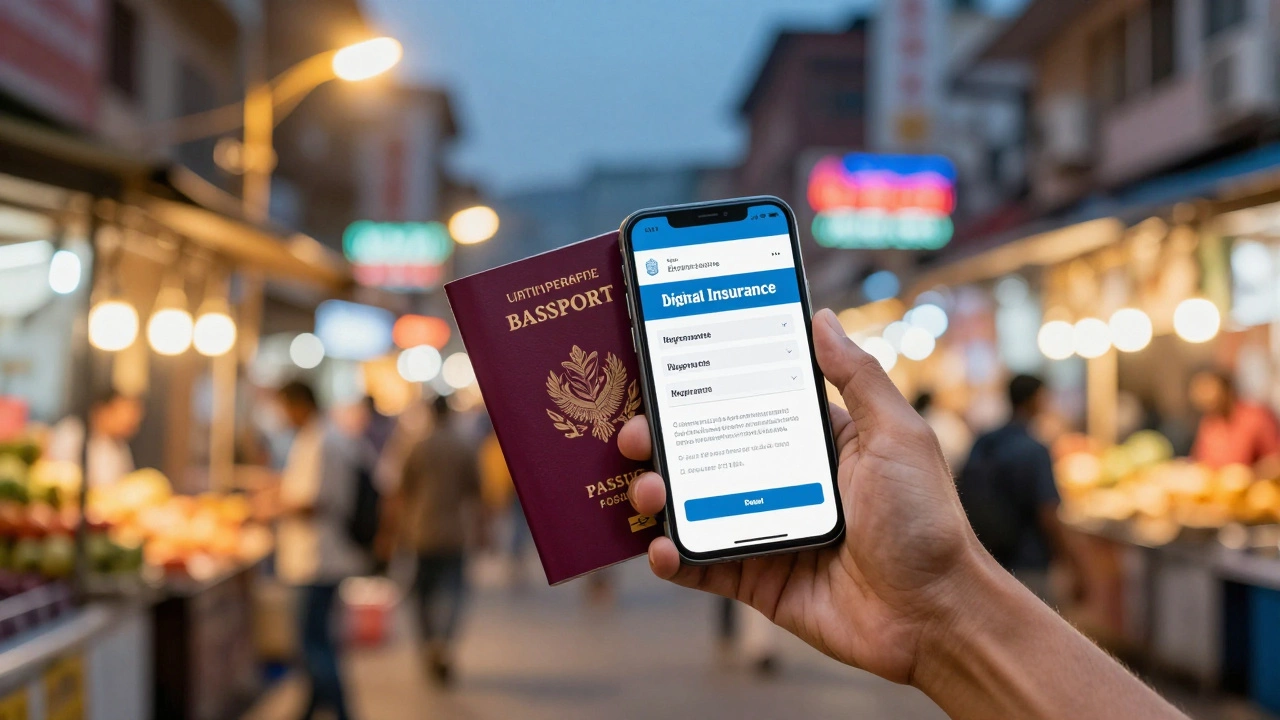
Travel Medical Readiness Checklist
Ensure you are protected before you fly. Check off the items you have already secured.
🛡️ Insurance & Coverage
📄 Essential Documentation
Quick Essentials for Foreign Medical Emergencies
- Travel Insurance: Your primary shield against bankruptcy and the only way to ensure medical evacuation.
- Passport & ID: Hospitals require legal identification for admission and insurance processing.
- Medical History: A digital or paper list of allergies, current medications, and chronic conditions.
- Local Emergency Numbers: 911 isn't universal; know the local equivalent (e.g., 112 in the EU, 999 in the UK).
The Immediate Arrival: Triage and Admission
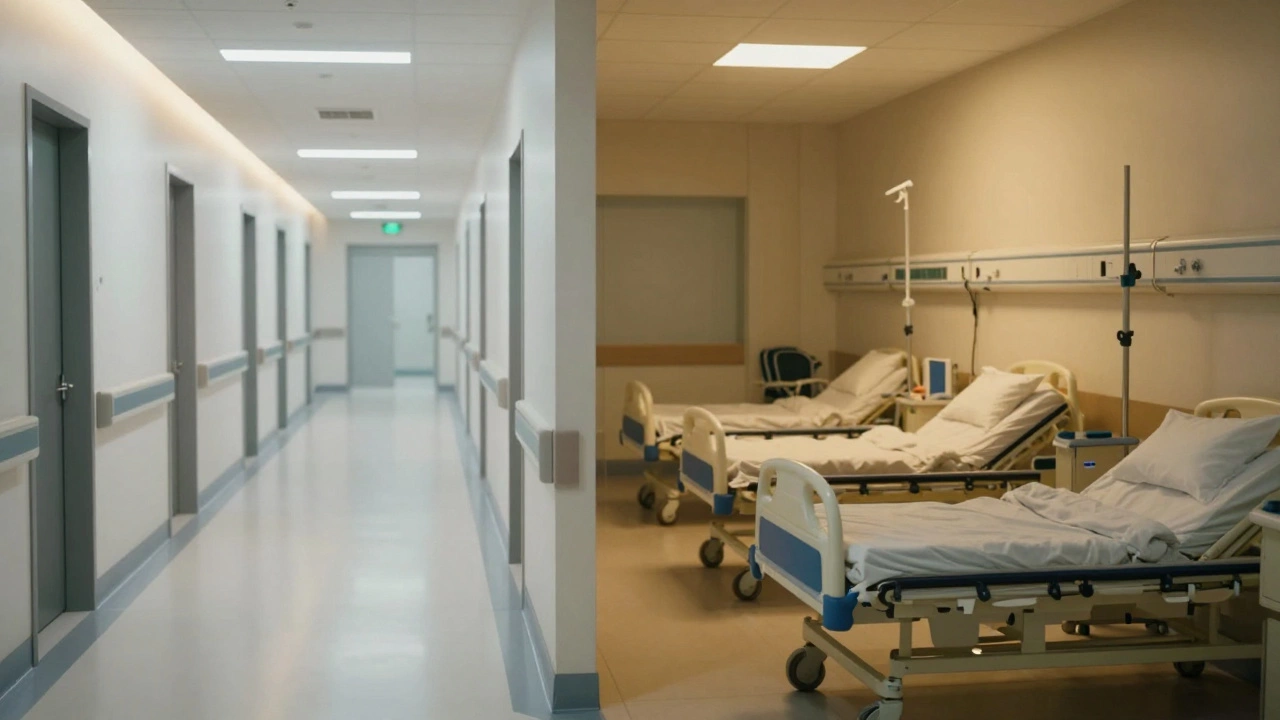
The moment you enter a foreign emergency room, the first hurdle is communication. In major tourist hubs, you'll likely find English-speaking staff, but in rural areas, you're at the mercy of a translator or a handheld device. Most international hospitals use a triage system similar to what you'd find at home, where the most critical patients are seen first. However, the administrative process can differ wildly.
In many countries, Private Hospitals are healthcare facilities operated by corporations or individuals rather than the government. These typically offer faster service, better English proficiency, and higher standards of care, but they come with a steep price tag. Conversely, Public Hospitals are government-funded and often overcrowded, though they are the primary option for extreme traumas or accidents where stability is the only goal.
One thing that often shocks travelers is the demand for payment. In the US, you might be treated and billed later. In many parts of Asia, Latin America, or the Middle East, hospitals may ask for a cash deposit or a credit card authorization before they even move you to a ward. If you don't have a way to pay immediately, you might find yourself stuck in a "payment dispute" while still in a hospital gown.
Navigating the Cost and Payment Maze
Money is the biggest stressor when you're hospitalized abroad. Without the right coverage, a few days in an ICU in Europe or North America can easily cost upwards of $10,000 to $50,000. This is where Travel Insurance becomes non-negotiable. It isn't just about the cost of the room; it's about the medical emergency abroad logistics.
There are two main ways insurance handles this: Direct Billing and Reimbursement. With direct billing, the insurance company pays the hospital directly. This is the gold standard because it prevents you from dipping into your life savings. However, this requires the hospital to be in the insurer's network or for the insurer to approve the admission in real-time. With reimbursement, you pay the bill out of pocket and fight for your money back months later, which can be a brutal process if the bill is in the thousands.
| System Type | Access Speed | Cost to Traveler | Language Support | Best For... |
|---|---|---|---|---|
| Private Clinic | Fast | High | Excellent | Elective or Minor Emergencies |
| Government Hospital | Slow | Low/Moderate | Variable | Life-Threatening Traumas |
| Embassy Clinic | Moderate | Moderate | Native | Referrals & Coordination |
The Role of the Embassy and Consulates
A common misconception is that your embassy will pay your medical bills. They won't. The Embassy is the official diplomatic representation of a country in another country, and their role is administrative and protective, not financial. They cannot pay for your surgery or your hotel stay.
What they *can* do is provide a critical lifeline. They can help you contact your family, provide a list of English-speaking doctors, and in extreme cases, help coordinate a loan from your home government to get you back on a plane. If you are detained or unable to communicate, the consulate acts as your legal representative. They ensure you are being treated humanely and that your basic rights are respected.
When You Can't Stay: Medical Evacuation
Sometimes, the local hospital simply isn't equipped to handle your condition. Maybe you need a specialized cardiac surgeon or a neurosurgical intervention that isn't available in a rural province. This leads to the most expensive part of any medical crisis: Medical Evacuation (MedEvac).
MedEvac is the process of transporting a patient to a higher-level facility, often across borders. This could be via a standard ambulance, a fixed-wing aircraft, or a dedicated air ambulance equipped with an ICU. A flight from a remote island in Southeast Asia back to a major hub like Singapore or Bangkok can cost between $20,000 and $100,000. Without a specific evacuation rider in your insurance policy, you are responsible for this cost. This is why a basic "travel insurance" plan isn't enough; you need one that specifically covers "emergency medical evacuation."

Pharmacy and Medication Differences
Getting your medication in another country is a whole different ball game. Many drugs that are prescription-only in the US or UK are available over-the-counter in places like Mexico, Thailand, or India. Conversely, you might find that a drug you rely on is banned or sold under a completely different brand name. This is where the Generic Name (the chemical name of the drug) is your best friend.
If you're in a hospital, the doctors will likely use the local pharmaceutical standards. Always ask for the generic name of any medication you're given. This ensures that when you return home, your primary care physician knows exactly what you were taking. Be wary of "mystery pills" or local remedies offered in non-clinical settings, as quality control and purity can vary wildly across different regulatory environments.
Recovery and the Journey Home
Once the crisis has passed, the challenge shifts to "Fit to Fly." You can't just check into a flight the moment you feel okay. Airlines have strict rules about who can fly, especially after surgery or a major respiratory event. The hospital must provide a medical clearance certificate stating that you are stable enough for the pressure changes of a cabin.
If you've had a major surgery, you might need a medical escort-a nurse or doctor who accompanies you on the flight. Again, this is an expensive service that high-end travel insurance covers. If you're recovering slowly, you might find yourself in a "step-down" facility or a local hotel for a few weeks. This transition period is where many travelers experience a second wave of stress as they realize their trip is effectively over and they are now managing a long-term recovery in a foreign city.
Will my domestic health insurance cover me abroad?
Rarely. Most domestic plans are limited to your home country. Some premium plans (like certain PPOs in the US) may offer limited emergency coverage, but they often require you to pay upfront and file for reimbursement later. Always check your "out-of-network" and "international」 clauses before traveling.
What should I do if the hospital demands payment before treatment?
First, contact your travel insurance's 24-hour emergency hotline immediately. They can often issue a "Guarantee of Payment" (GOP) to the hospital, which tells the facility that the insurer will cover the costs. If you don't have insurance, contact your embassy to see if they can help you coordinate a wire transfer from family members.
How do I find a reliable doctor in a country where I don't speak the language?
Start with your hotel concierge or your embassy. They usually have a curated list of reputable, English-speaking physicians. Additionally, look for "Joint Commission International" (JCI) accredited hospitals; these facilities meet global gold standards for patient safety and care, regardless of the country they are in.
Can I be detained if I cannot pay my hospital bill?
In some countries, hospitals may legally hold your passport or refuse to let you leave the facility until a payment plan is established. This is why having an insurance company as an intermediary is vital. They handle the negotiations and ensure you are released once the medical necessity for the stay has ended.
What is the difference between travel insurance and travel medical insurance?
Standard travel insurance often focuses on trip cancellation, lost luggage, and small medical payouts. Travel medical insurance is a specialized policy designed specifically to cover major health events, including high-limit hospital stays and emergency medical evacuation, which are often omitted or capped in basic trip insurance.
Next Steps for Every Traveler
If you're planning a trip, don't leave your health to chance. Start by scanning your current insurance policy for the words "International Coverage" and "Medical Evacuation." If those aren't there, buy a separate policy. Create a digital "Emergency Folder" in your cloud storage containing a scan of your passport, your insurance policy number, and a list of your medications. Finally, save the emergency number of your destination's local services in your phone contacts. It takes ten minutes now, but it could save you months of stress later.

Write a comment