Aggressive Cancer Knowledge Quiz
This interactive quiz helps you assess your knowledge about the most aggressive forms of cancer, including Pancreatic Cancer and Glioblastoma, as discussed in the article.
Question 1
Which two cancers are frequently cited by oncologists as the "most aggressive" due to rapid growth, early metastasis, and treatment resistance?
Question 2
Why is Pancreatic Cancer often called "The Silent Killer"?
Question 3
What major biological barrier makes treating Glioblastoma particularly difficult compared to many other cancers?
Question 4
According to the article, what happens to the five-year survival rate for Pancreatic Cancer when it moves from localized to distant/metastatic stages?
Question 5
Which of the following is NOT listed in the article as a subtle sign of pancreatic cancer?
Your Score:
You hear the word "cancer" and your mind probably goes to breast or lung cancer. Those are common, sure. But when doctors talk about the most aggressive cancer, they aren't usually pointing at those. They're talking about cancers that grow fast, spread quickly, and often hide until it's too late. Think of a house fire versus a slow leak. One gives you time to grab your photos; the other burns the whole structure down before you even know there's smoke.
So, what is the most aggressive cancer? There isn't one single answer because "aggressive" can mean different things: how fast it grows (proliferation), how easily it spreads (metastasis), or how hard it is to treat. However, two names come up again and again in oncology circles: Pancreatic Cancer and Glioblastoma (a type of brain cancer). These are the heavy hitters. They don't play by the rules. By the end of this article, you'll understand why these specific types are so dangerous, what makes them tick, and-crucially-what you can actually do if you or someone you love is facing this diagnosis.
Why Some Cancers Are Deadlier Than Others
Not all cancer cells are created equal. Imagine two runners. One jogs steadily; the other sprints and changes direction randomly. That second runner is an aggressive cancer cell. Biologically, aggressiveness comes down to a few key traits:
- Rapid Division: The cells multiply at an alarming rate.
- Invasiveness: They burrow into nearby tissue rather than staying in one lump.
- Early Metastasis: They send tiny fragments into the blood or lymph system very early on.
- Treatment Resistance: They mutate to dodge chemotherapy or radiation.
When we look at survival statistics, the gap is stark. While some cancers have five-year survival rates above 90%, the most aggressive ones often hover below 10%. This isn't just bad luck; it's biology. These tumors create their own environment, essentially building a fortress around themselves that keeps immune cells out and drugs from getting in.
Pancreatic Cancer: The Silent Killer
If you ask an oncologist for the poster child of aggressive cancer, many will say Pancreatic Ductal Adenocarcinoma (PDAC). It accounts for about 85% of pancreatic cancer cases. Why is it so feared? Location and silence.
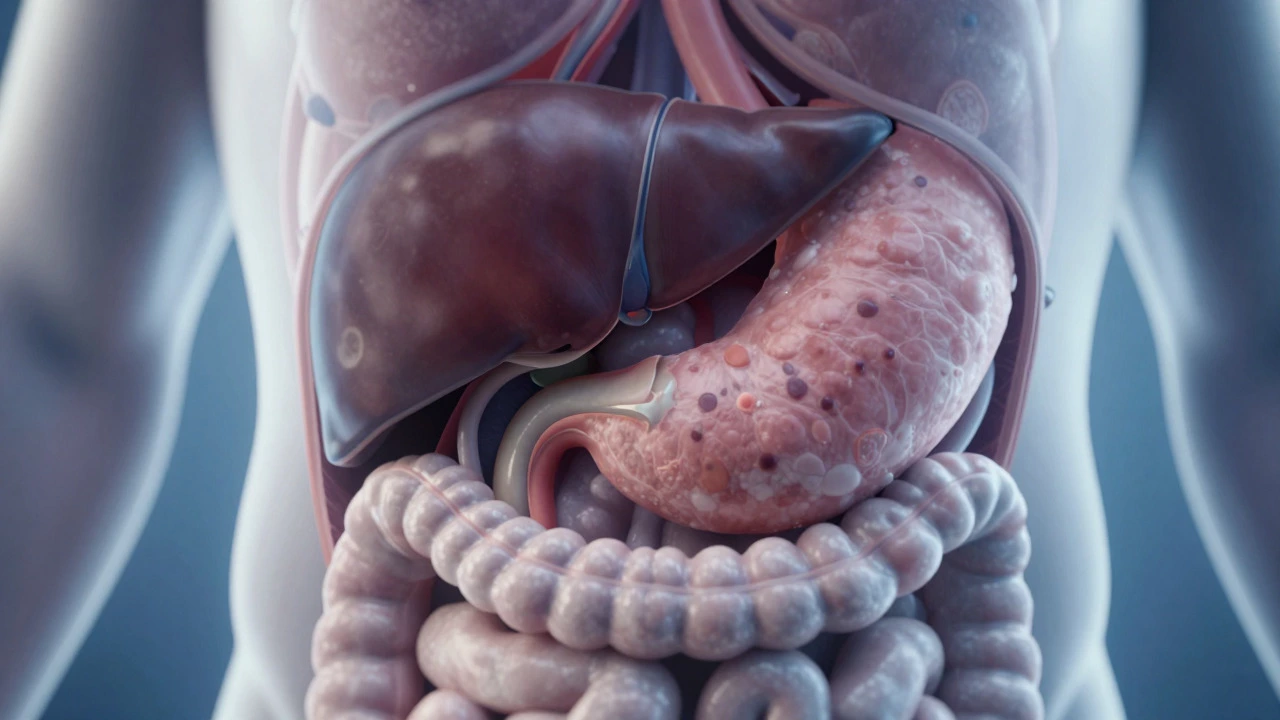
The pancreas sits deep in your abdomen, tucked behind the stomach. Tumors here rarely cause pain or noticeable symptoms until they've grown large enough to press on other organs or spread. By the time jaundice (yellowing skin) or back pain shows up, the cancer has often moved to the liver or lungs. The American Cancer Society notes that only about 13% of patients are diagnosed while the disease is still localized. Once it spreads, the five-year survival rate drops to roughly 3%.
| Cancer Type | Five-Year Survival Rate (Localized) | Five-Year Survival Rate (Distant/Metastatic) |
|---|---|---|
| Breast Cancer | ~99% | ~31% |
| Lung Cancer | ~64% | ~9% |
| Pancreatic Cancer | ~44% | ~3% |
See that drop? Going from localized to distant metastasis slashes your chances dramatically. And because screening tools like mammograms don't exist for the pancreas, catching it early is incredibly difficult unless you happen to get a CT scan for something else.
Glioblastoma: When Speed Matters Most
Then there's Glioblastoma Multiforme (GBM). This is the most common and aggressive primary brain tumor in adults. Unlike pancreatic cancer, which hides its growth, GBM explodes. It grows with terrifying speed, often doubling in size in weeks.
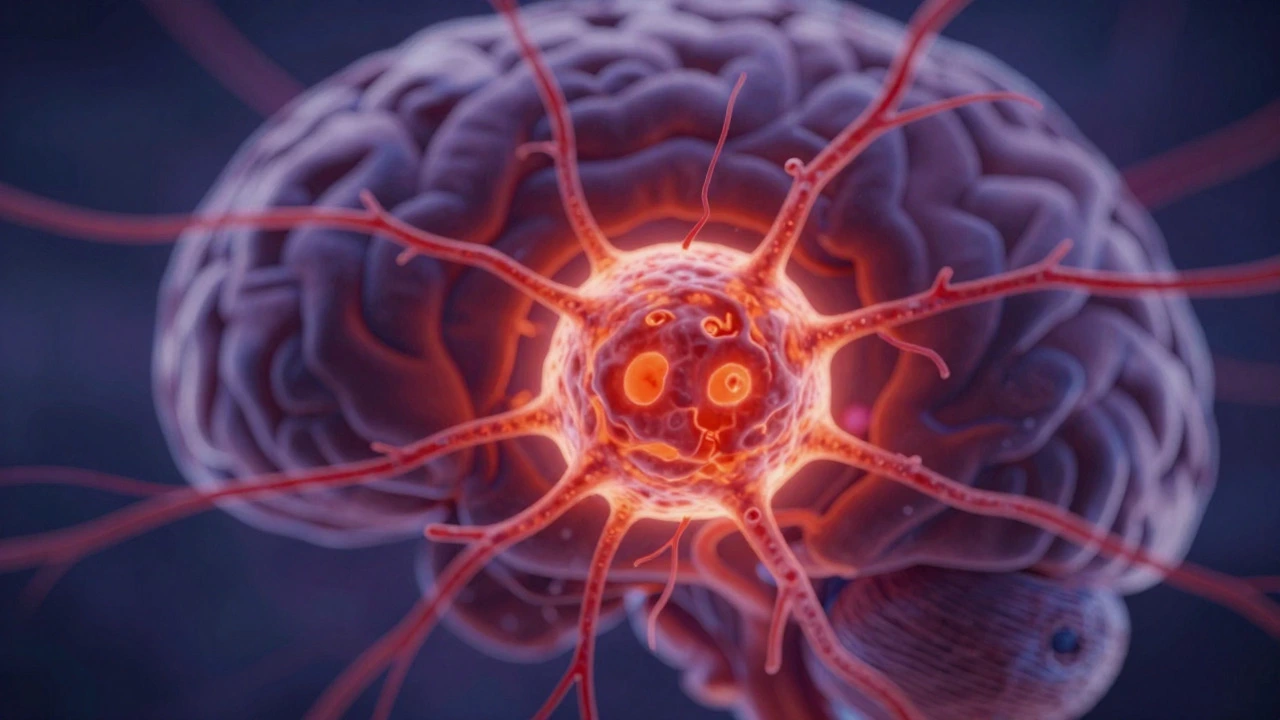
The problem with GBM isn't just speed; it's infiltration. Brain surgeons can remove the visible tumor, but GBM cells send tentacles into healthy brain tissue. You can't cut out part of the brain without causing major deficits, so microscopic cells always remain. These leftovers regrow, often resistant to standard treatments. The median survival for GBM is typically 14 to 16 months with aggressive treatment, though some patients live longer with newer therapies.
Why is it so hard to treat? The Blood-Brain Barrier (BBB). Your brain protects itself from toxins by filtering blood. Unfortunately, this barrier also blocks many powerful chemotherapy drugs. Scientists are working on ways to bypass this, like using focused ultrasound to temporarily open the BBB, but it remains a massive hurdle.
Other Contenders for the Title
While pancreatic cancer and glioblastoma top the list, they aren't alone. Here are a few others that give doctors sleepless nights:
- Mesothelioma: Caused by asbestos exposure. It affects the lining of the lungs (pleura). Like pancreatic cancer, it's silent for decades. Symptoms appear only after extensive damage. Five-year survival is under 10%.
- Small Cell Lung Cancer (SCLC): Unlike non-small cell lung cancer, SCLC grows rapidly and spreads early. It's strongly linked to smoking. Because it's systemic so quickly, surgery is rarely an option.
- Triple-Negative Breast Cancer: A subtype of breast cancer that lacks estrogen, progesterone, and HER2 receptors. This means hormone therapies and targeted drugs don't work. It tends to occur in younger women and recurs sooner.
Each of these shares a common thread: they evade standard detection methods or resist standard treatments. They force us to rethink how we approach therapy.
What Makes Them So Hard to Beat?
It’s not just bad luck. These cancers have evolved sophisticated survival mechanisms. Let’s break down the biology simply.
First, consider tumor heterogeneity. A typical tumor isn't made of identical clones. It's a mixed bag of cells with slight genetic differences. When you hit them with chemo, the sensitive cells die, but the resistant ones survive and take over. The tumor comes back stronger. Aggressive cancers have high heterogeneity, making them harder to wipe out completely.
Second, think about the tumor microenvironment. Aggressive tumors recruit normal cells to help them. They hijack fibroblasts (connective tissue cells) and immune cells to build a supportive niche. In pancreatic cancer, this creates a dense stroma-a thick scar-like tissue-that acts as a physical shield against drugs. In GBM, the tumor manipulates the brain's immune system to stop attacking it.
Finally, there's genetic instability. Aggressive cancers accumulate mutations faster than slower-growing ones. This rapid evolution allows them to adapt to treatment pressure almost in real-time. It’s like trying to catch a thief who changes clothes every time you blink.
Detecting the Undetectable: Signs to Watch
Since screening is limited, knowing the subtle signs is your best defense. Remember, these symptoms are often vague and attributed to stress or aging. Don't ignore persistent changes.
For Pancreatic Cancer:
- New-onset diabetes (especially if you’re over 50 and have no family history).
- Unexplained weight loss despite eating normally.
- Jelly-like, pale, floating stools (steatorrhea) due to poor fat digestion.
- Back pain that doesn’t improve with posture changes.
For Glioblastoma:
- New seizures in adulthood.
- Personality changes or confusion.
- Severe morning headaches that ease later in the day.
- Weakness on one side of the body.
If these persist for more than two weeks, see a doctor. Early investigation might not save everyone, but it increases the odds of catching the disease before it becomes untreatable.
Treatment Options: Fighting Back
Just because a cancer is aggressive doesn't mean there's no hope. Medicine is advancing fast. Here’s what current protocols look like.
Surgery: Still the gold standard if possible. For pancreatic cancer, the Whipple procedure removes the head of the pancreas, part of the intestine, and bile duct. It’s complex but offers the only chance for cure. For GBM, maximal safe resection improves survival.
Chemotherapy: Gemcitabine and nab-paclitaxel are common for pancreatic cancer. Temozolomide is the standard for GBM. These drugs kill dividing cells but also affect healthy ones, causing fatigue and nausea.
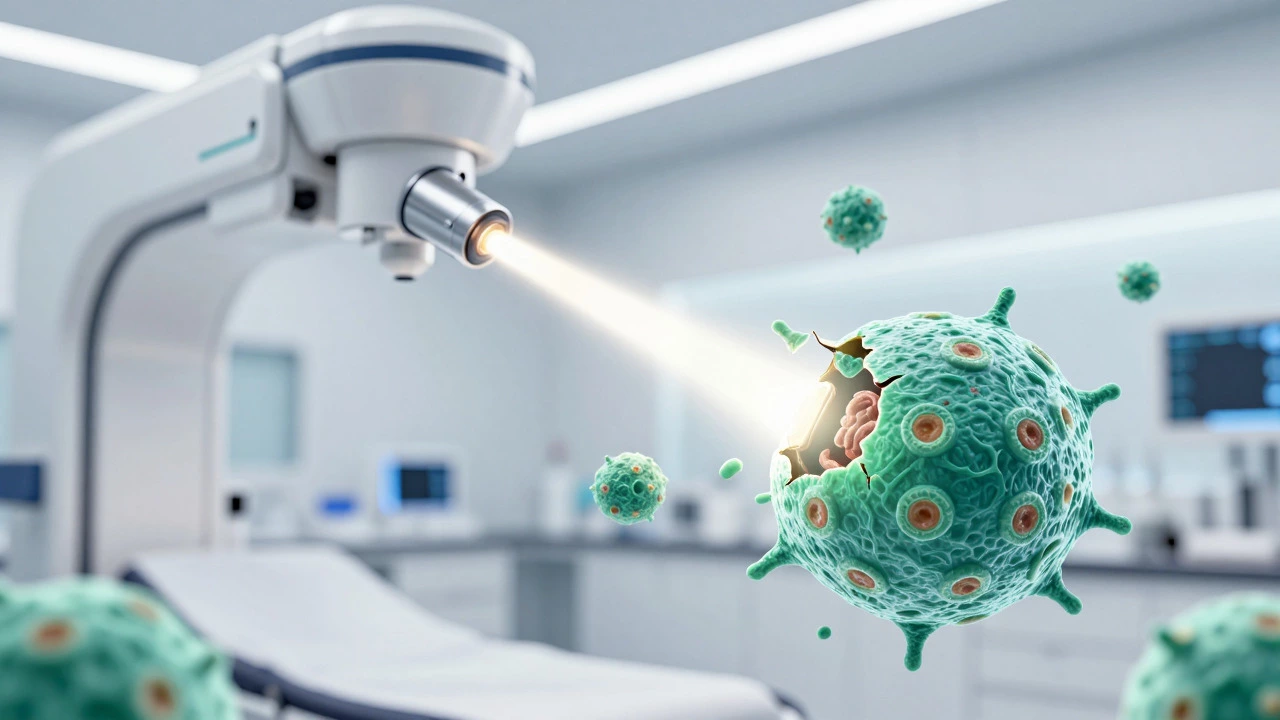
Radiation Therapy: Used post-surgery to kill remaining cells. Stereotactic radiosurgery (like Gamma Knife) delivers precise beams to brain tumors, sparing healthy tissue.
Immunotherapy: This is the frontier. Drugs like pembrolizumab help your immune system recognize cancer cells. While results vary, some patients respond beautifully. Clinical trials are testing combinations of immunotherapy with vaccines tailored to individual tumor genetics.
Targeted Therapies: If your tumor has specific mutations (like BRCA1/2 in pancreatic cancer), PARP inhibitors can be effective. Genetic testing is crucial now-it guides treatment choices better than ever before.
The Human Side: Coping and Support
A diagnosis of aggressive cancer hits hard. It’s not just medical; it’s emotional and logistical. Patients often feel rushed through appointments. Families struggle with decision fatigue.
Here’s practical advice from oncology nurses and patient advocates:
- Get a Second Opinion: Especially for surgical options. Not all hospitals handle pancreatic resections equally well. High-volume centers often have better outcomes.
- Ask About Clinical Trials: Standard care might be limited. Trials offer access to new drugs before they’re widely available.
- Palliative Care Isn’t Just End-of-Life: It focuses on symptom management and quality of life. Starting it early helps patients tolerate treatment better.
- Nutrition Matters: Pancreatic enzymes can help digest food if the pancreas is compromised. Working with a dietitian prevents malnutrition, which weakens resilience.
Support groups connect you with people who truly get it. Online communities like those run by the Pancreatic Cancer Action Network provide vetted information and peer support.
Looking Ahead: Hope on the Horizon
Is there light at the end of the tunnel? Yes. Research is shifting from broad strokes to precision medicine. Liquid biopsies-blood tests that detect tumor DNA-are becoming more sensitive. They might allow earlier detection of recurrence before scans show anything.
Vaccine research is promising. Personalized neoantigen vaccines train the immune system to attack unique markers on a patient’s tumor. Early phase trials show improved survival in some GBM and pancreatic cancer patients.
Also, AI is helping radiologists spot subtle patterns in imaging that human eyes might miss. This could lead to earlier diagnoses in the next decade.
Aggressive cancers are formidable opponents, but they aren’t invincible. Knowledge empowers you. Understand the risks, watch for signs, advocate for advanced testing, and lean on modern treatments. Every year, survival rates inch upward. Staying informed keeps you ahead of the curve.
Which cancer has the lowest survival rate?
Pancreatic cancer generally has the lowest five-year survival rate among common solid tumors, often cited around 12-13% overall. Mesothelioma and certain brain tumors like glioblastoma also have very low survival rates, but pancreatic cancer is frequently considered the deadliest due to its late detection and resistance to treatment.
Can aggressive cancer be cured?
Yes, but it depends on the stage at diagnosis. If caught early (localized), surgeries like the Whipple procedure for pancreatic cancer can be curative. For advanced stages, treatment aims to extend life and maintain quality rather than achieve a complete cure. New therapies are improving long-term remission rates for some patients.
How fast does pancreatic cancer spread?
Pancreatic cancer can spread quickly, often within months. Because it lacks early symptoms, it frequently metastasizes to the liver, lungs, or peritoneum before diagnosis. Rapid growth combined with early vascular invasion makes containment difficult without immediate intervention.
Is glioblastoma fatal?
Glioblastoma is a grade IV astrocytoma and is considered fatal in the vast majority of cases. The median survival is approximately 14-16 months with standard treatment. However, a small percentage of patients (about 5-10%) survive beyond five years, especially those with specific genetic markers like MGMT promoter methylation.
What are the first signs of aggressive cancer?
Signs vary by type but often include unexplained weight loss, persistent pain, unusual bleeding, changes in bowel habits, new lumps, or neurological changes like seizures or personality shifts. Because these symptoms are nonspecific, persistence is key-if they last more than two weeks, seek medical evaluation.
Does lifestyle affect aggressive cancer risk?
Yes. Smoking significantly increases the risk of pancreatic and lung cancers. Obesity and diabetes are linked to higher pancreatic cancer risk. While genetics play a role, modifiable factors like diet, exercise, and avoiding tobacco can lower risk or improve outcomes upon diagnosis.

Write a comment